By Aleksandar Jevtic and Ivana Momic
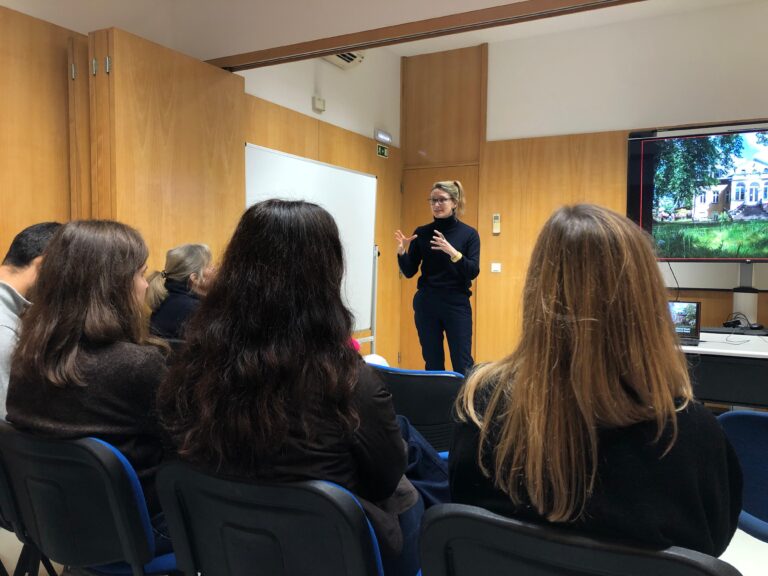
At the annual thematic workshop of the DASH project in May 2025, after close cooperation with participants from Portugal, members of the Serbian Urban Planning Association decided to spend the next secondment with them. In order to ensure that the final project of SUPA’s would be “Comparative planning systems of four countries and social housing in them – DASH participants”, it was at that workshop that we found our like-minded partners. We had been working within interdisciplinary working groups, and the topic was recognised as interesting and important for future research within the DASH project.

The Portuguese hosts prepared a rich and extremely interesting program in Braga and Porto.
We want to emphasise that we were the first DASH’ers to visit Braga; therefore, we were very honoured. Lisbon is the Portuguese capital city, Evora is a small city, but Braga is just right for our understanding: a medium-sized city with all the essentials, important city structures and significant urban services. Our host was the Department of Urban and Spatial Planning of Braga Municipality, Portugal, which is responsible for urban and spatial planning, housing and rehabilitation policies, and urban mobility strategies. The Department comprises three divisions: Division of Urban Planning (with the Unit of the Geographic Information System), Division of Urban Renewal and Housing, and Division of Mobility.
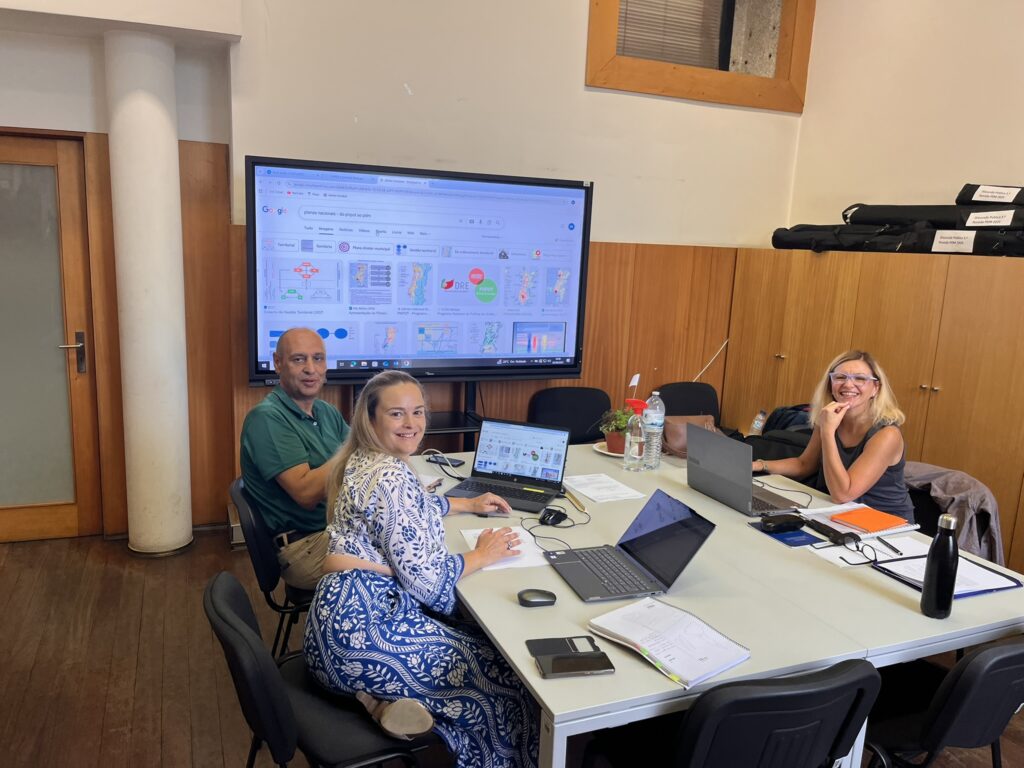
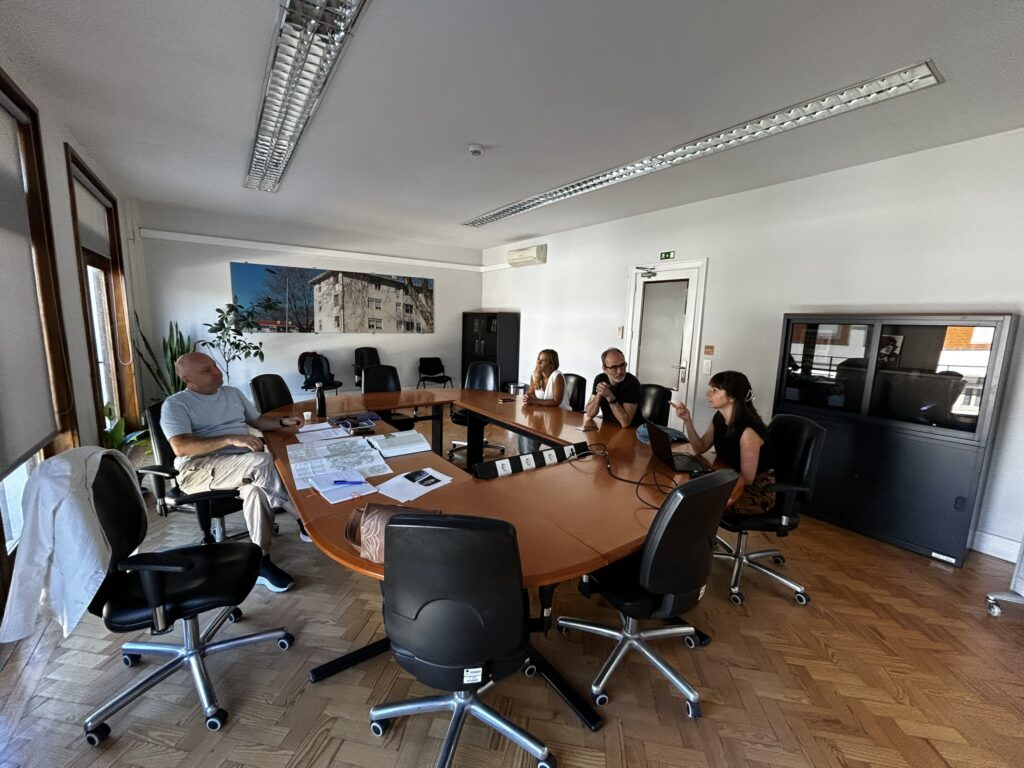
Our secondment was in August, and the holiday season was on, so we were lucky that almost everyone was at work. At the entrance to the town hall, where their Department is located, as befits good hosts, Miguel Mesquita and Nuno Casimiro were waiting for us. The two of them, also with Rita Freire, Ines Calor, and Ana Paula Silva informed us about the responsibilities of the Division of Urban Planning and the whole Department. We had conversations mainly about the planning system, spatial plan, and other plans. Rita and others explained to us the previous and current laws, changes in spatial plans, and hierarchically linked plans. They also introduced us to the plans of Braga with all the information and patiently answered our questions. The spatial and urban planning system in Portugal is based on a hierarchically defined structure of plans at national, regional and local levels. Colleagues from the Division of Urban Renewal and Housing and the Division of Mobility, architect Nuno, and other experts in other fields joined the meeting later, where we shared experiences from Serbia.
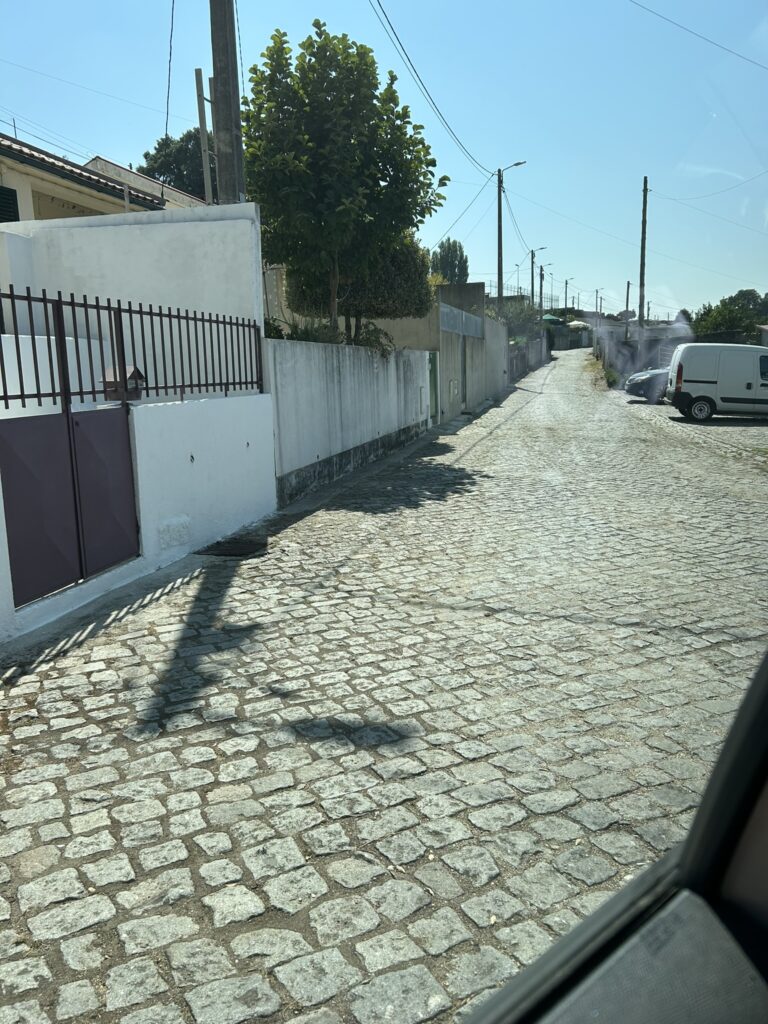
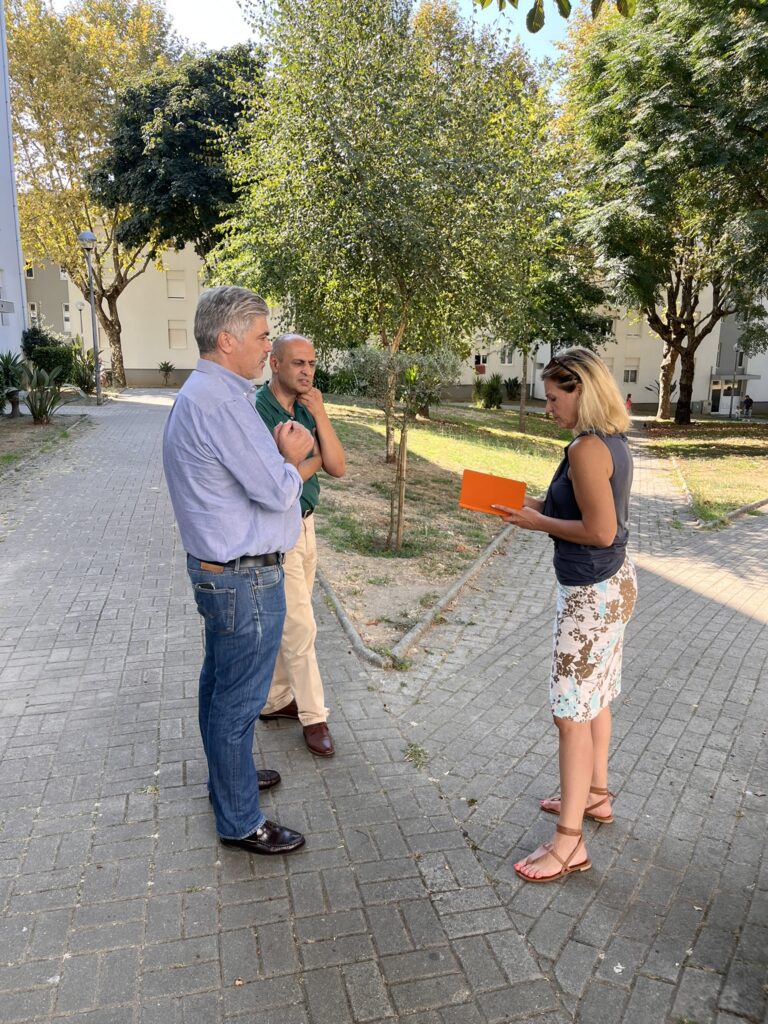
The rest of that day was dedicated to a site visit to social housing in Braga across six neighbourhoods, starting from those that are not great sample solutions to the best ones. Miguel Mesquita, with architect Nuno, gave us a tour of the whole area. First, we saw buildings from the 1970s, where not much investment was made because the residents didn’t want it. Also, the hosts thought it wasn’t safe for us to walk around that neighbourhood. Then we arrived at the neighbourhood of Santa Tecla, where buildings, roads, and infrastructure were renovated in 2010. The settlement has a nice community centre.
Two of the hosts presented the National Housing Strategy, which aims to solve housing problems. Although Braga has local strategies for urban development, influenced by and contributing to the national housing policy, which seeks to solve the housing crisis at the national level through specific programs and incentives. They informed us about each settlement, when it was created, when it was renovated, and how much money was invested and from which programmes. In addition to the renovation and refurbishment of apartments, a lot of funds were invested in public common spaces, playgrounds for children, and youth centres.
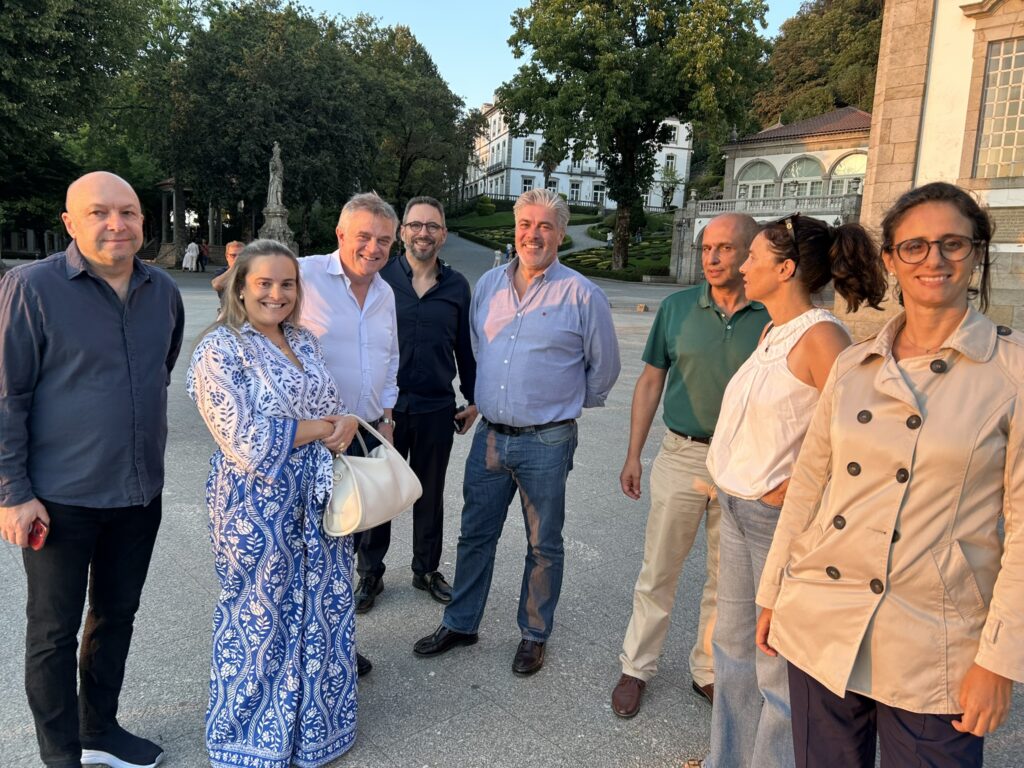
We also saw that certain parts of the city are being prepared for new construction in accordance with the planning principles. They also proudly showed us the new national stadium from 2010. At the end, we viewed the entire city from the viewpoint on Picoto Hill (Monte do Picoto). In addition to a productive day in the office and outside, which provided us a basis for detailed, interesting discussions, and an enjoyable time together, the hosts once again pleasantly surprised us with an afternoon visit to the famous places of Braga, thanks to their director, Antonio Zamith and the goodwill of the entire team. We ended the day with a beautiful sunset from the Bom Jesus Church (Basílica do Bom Jesus) and a gathering that finished in the late evening.
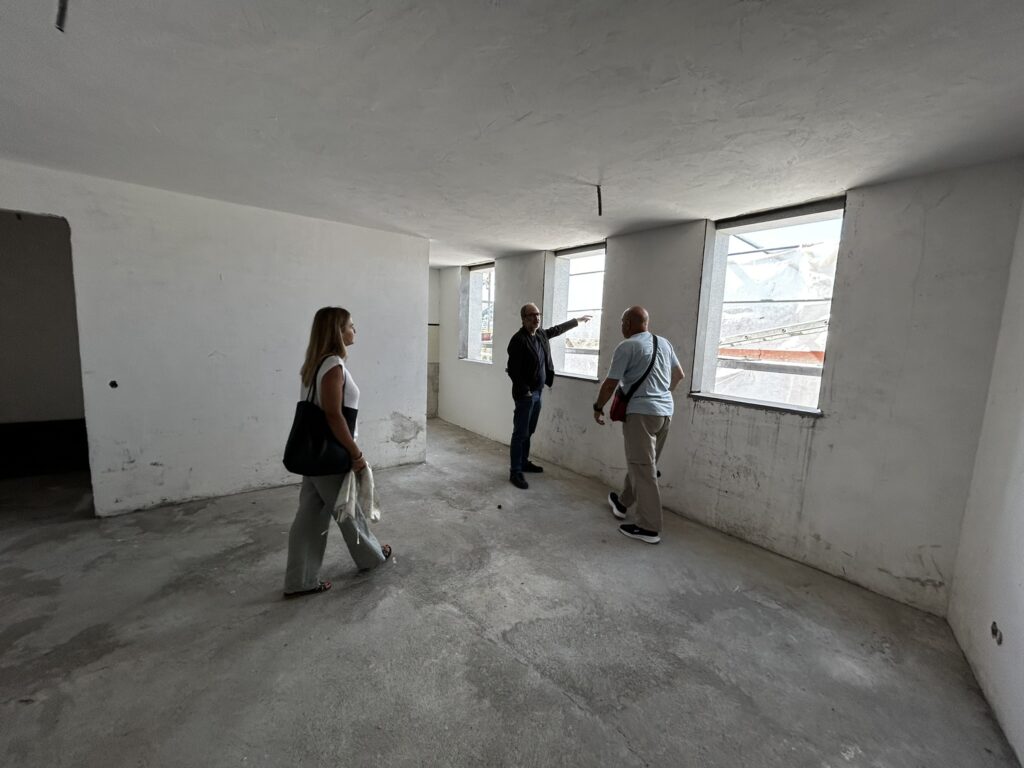
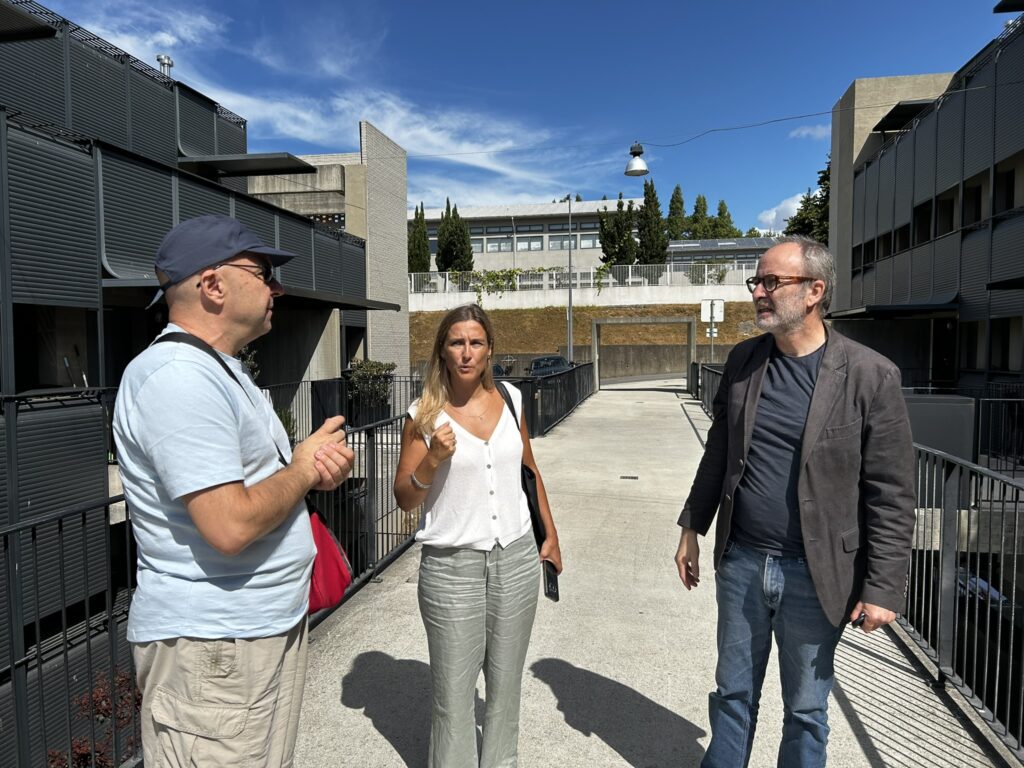
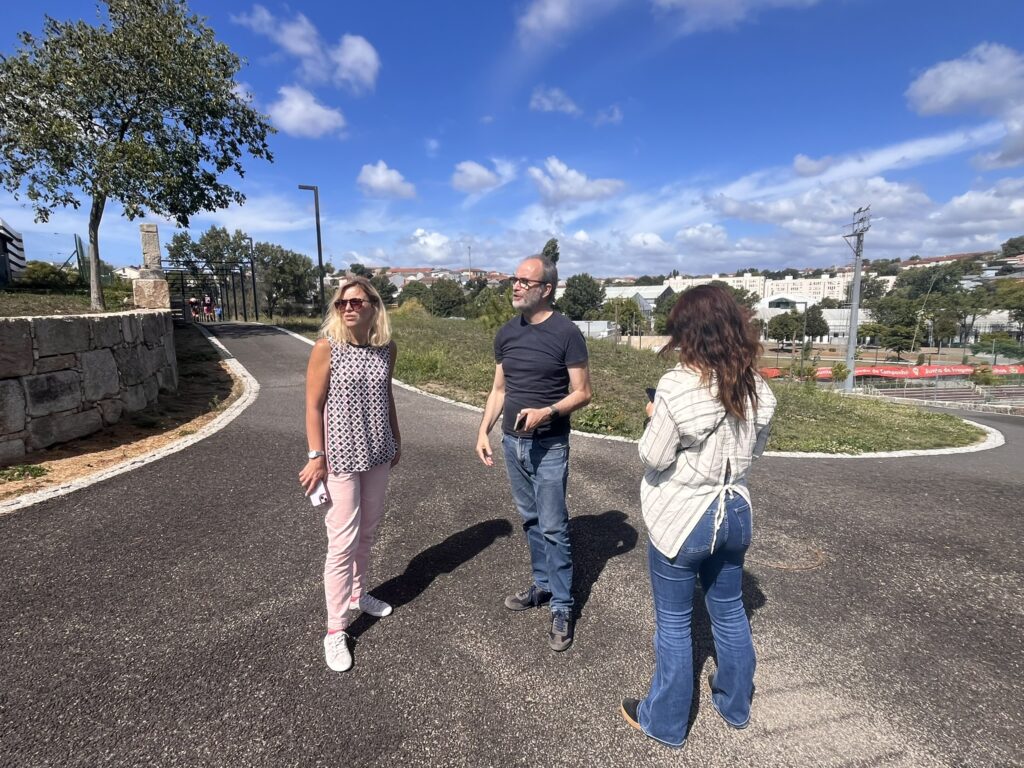
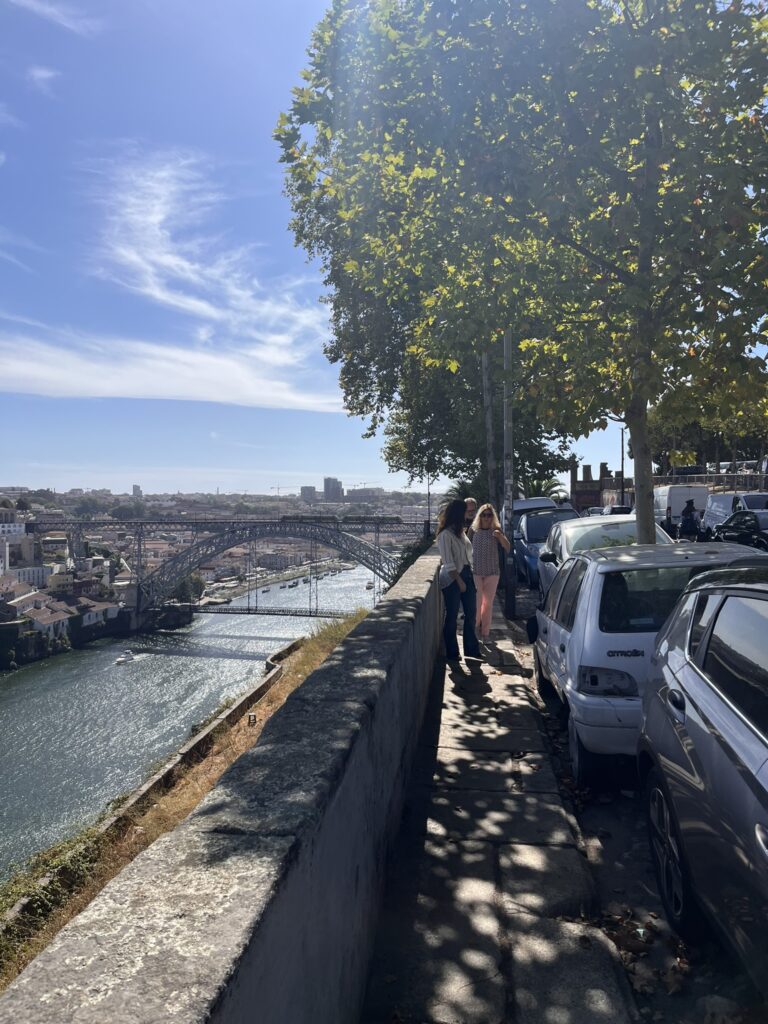
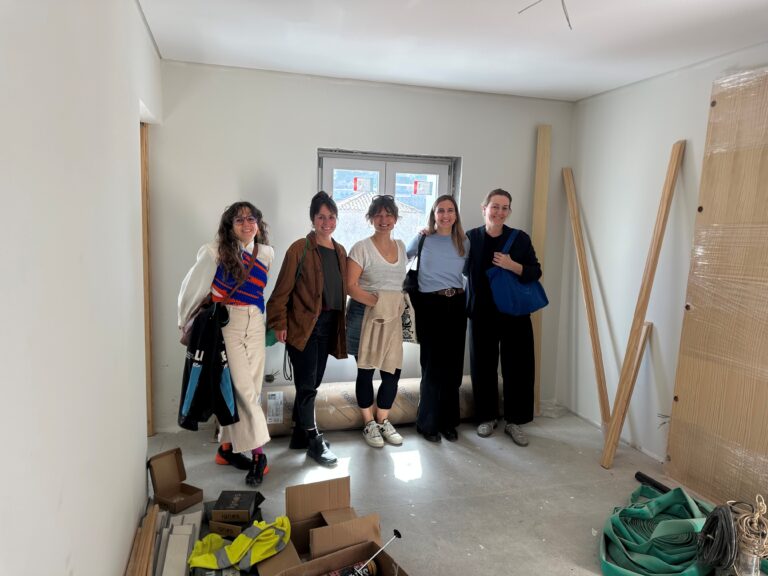
After our stay in Braga, we left for Porto. Our hosts there were José Antonio Ferreira, Olga Feio, and Sara Neves, from Domus Social, a local non-profit company owned by the municipality of Porto. Porto is not a typical example of local government in Portugal when it comes to social housing. While at the state level social housing represents about 2%of the total housing stock, here it is 13%. This is a figure that our hosts rightly point out as being the result of hard work, but also the strategic commitment of the entire City Administration. After the introductory meeting and presentation of the activities of Domus Social, we had the opportunity to visit eight sites of social housing, with a presentation of all the activities and shortcomings of previous projects, as a basis for new projects. What is most impressive is the fact that some projects are being developed in economically extremely attractive areas, for example, on the banks of the Douro River overlooking the famous Ponte Dom Luís I, given Porto’s popularity in the world. The goal is to avoid gentrification, that is, to maintain the social structure of the population and the characteristic way of life of this beautiful city. With gratitude to the hosts for presenting Porto from a different, non-tourist perspective, and after seeing their dedicated work, we are sure they will succeed.
As conclusion, it is great to see that regardless of where we are in Europe, urban planners share the same goals. Our aims are to plan, to bring order and to rearrange cities, public spaces, and finally to provide equal housing conditions to each citizen.