By Rikke Skovgaard Nielsen and Lene Wiell Nordberg
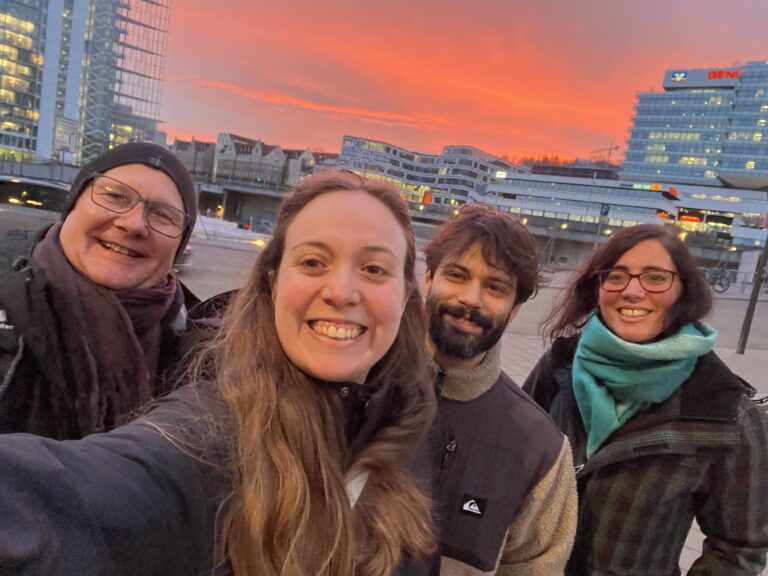
In April, we spent five days in Porto, visiting Domus Social. While the visit was short, it was packed with interesting and thought-provoking content through a supremely well-organised programme by our hosts from Domus Social.
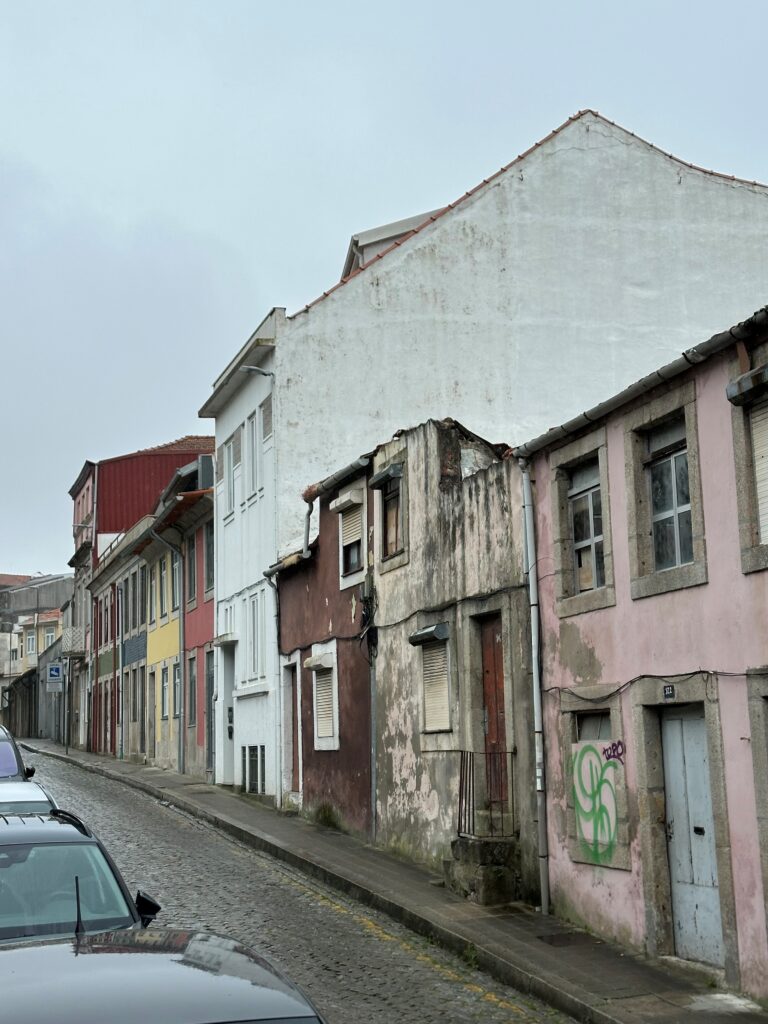
The visit included tours of Domus Social housing stock in several neighbourhoods of the city. We saw a wide range of neighbourhoods: the western part, the eastern part and the city centre. This showed the diversity in building types, socioeconomic contexts as well as construction opportunities and challenges. Across the neighbourhoods, it was inspiring to see examples of scattered buildings across the city and how they were being carefully transformed into affordable social housing by Domus Social. In the city centre, it was particularly striking how a lack of affordable housing co-existed with potential building premises being available in the form of dilapidated housing – in contrast to the situation in e.g. Copenhagen. However, renovating the units offers a poor business case due to the high costs resulting from a combination of the properties’ very bad current condition and the high costs of renovating them due to historical heritage preservation demands, the narrowness of the streets that challenges the renovation process and the demands for living up to current building standards when renovating. As a consequence, dilapidated housing stands empty in a city with a lack of affordable housing. This offers a warning against housing increasingly becoming an investment object where the only strong business case for renovating the properties lies in providing units for tourists rather than for the local population.
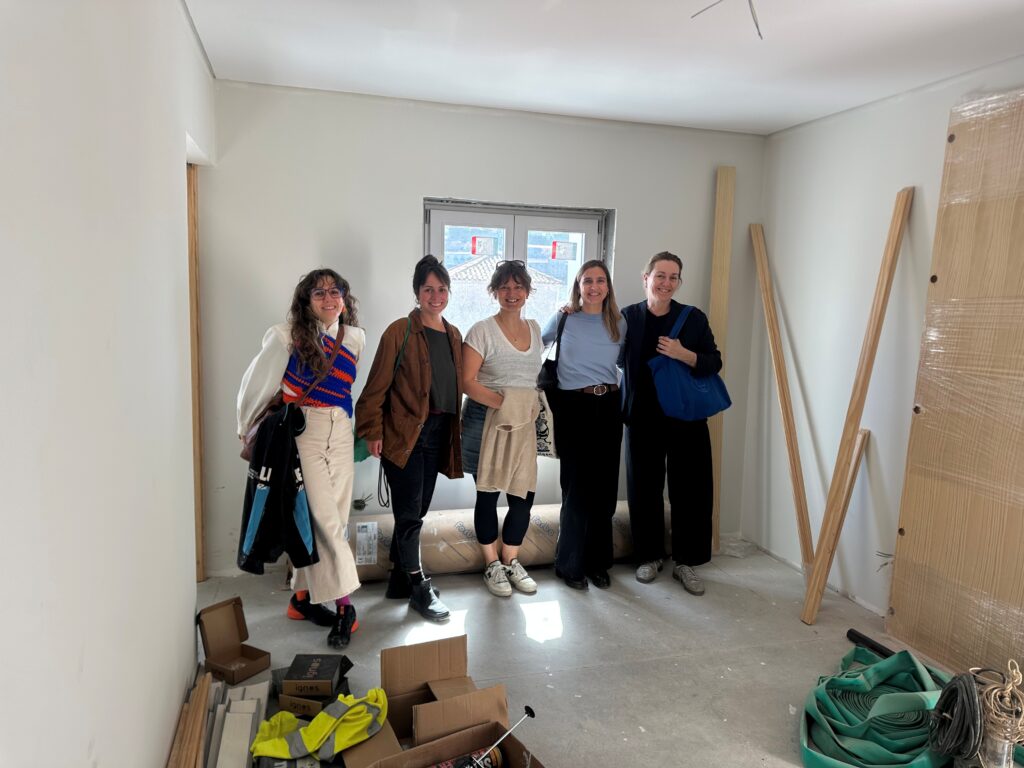
From right to left: Jacinta Reis, Sara Neves, Rikke Skovgaard Nielsen, Olga Feio and Lene Wiell Nordberg
Credits: Rikke Skovgaard Nielsen
We also visited Maia where we were introduced to the housing situation of Maia and several housing projects developed in cooperation with the Faculty of Architecture of the University of Porto. We were then taken to visit several building sites where new social housing was under construction in very different neighbourhoods. The visit concluded with a visit to the city hall where we met with the vice-mayor who had kindly taken time to discuss the housing challenges of Maia with us, pointing to the need for EU to understand the challenges of municipalities around Europe. The day offered insights into a different situation regarding affordable and social housing within the Portuguese context, highlighting the similarities as well as the variations in potentials and challenges.
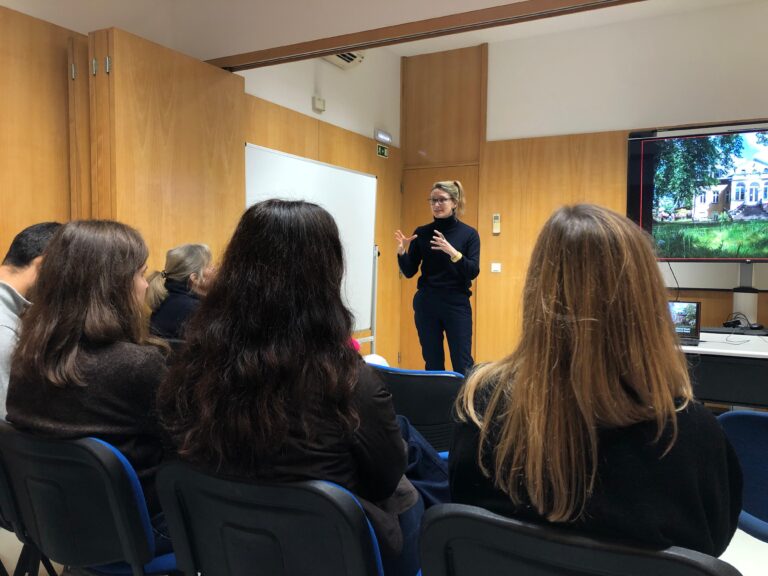
Included in the program was a public talk by Rikke, as part of a recently launched series of talks by Domus Social. The talk centred on the work of the Housing Advisory Board and The European Affordable Housing Plan, including its strengths and weaknesses. It led to an interesting and engaging discussion with the audience around a diverse range of topics, including the contextual differences in creating affordable and social housing.
Finally, one of our excursions on our own is worth a mention. We spent a morning taking part in The Worst Tour. The tours are “walking debates (…) through Porto’s neighbourhoods, alleys, corners, urbanism, squares, history, blocks, politics, tascas, places fallen off maps (and/or general perception) and ideas that may be” (the worst tours – home). This tour gave a new understanding of the challenges of urban development in Porto through being shown key places exemplifying the challenges of today and being walked through the historical development that has led to the challenges of today. A highly recommendable tour for anyone visiting Porto!
Credits: Rikke Skovgaard Nielsen
We have previously conducted a secondment to Lisbon. Through our Portuguese secondments, we have been given an insight into the challenges and potentials for providing affordable housing in Portugal. This has strengthened our understanding of the contextual differences within municipalities, between municipalities and between countries when comparing with the substantially different situation inDenmark.