
By Zlata Vuksanović-Macura
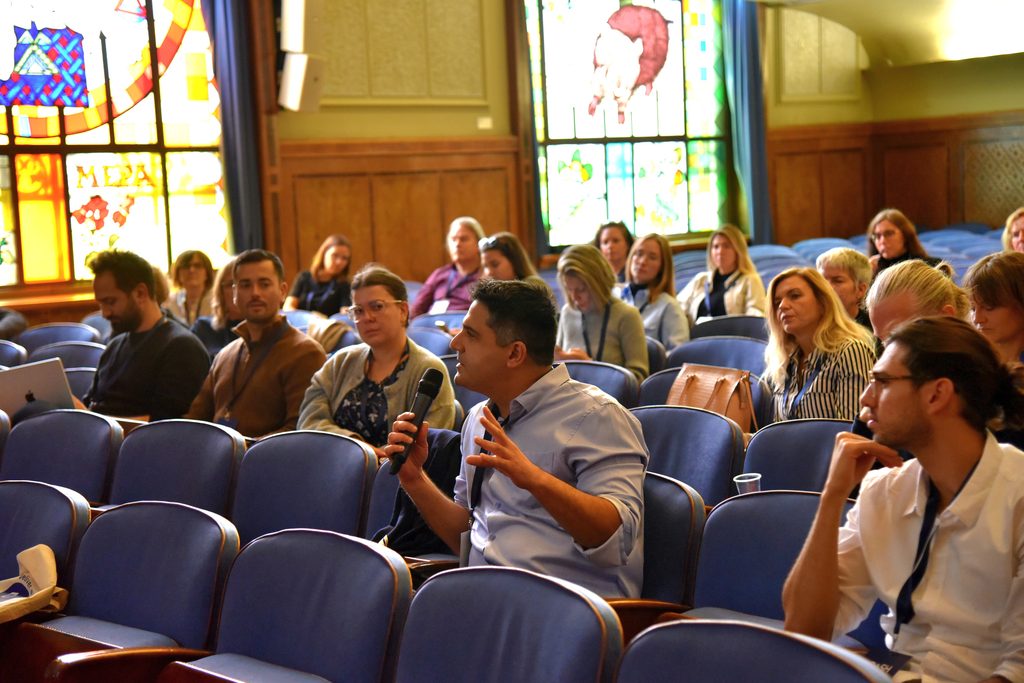
The international conference “Deliver sAfe and Social Housing”, held on 28–29 October 2026 at the Serbian Academy of Sciences and Arts in Belgrade, brought together researchers, practitioners and representatives of organisations working towards affordable, adequate and socially responsible housing.
Organised by the Geographical Institute “Jovan Cvijić” SASA on behalf of the DASH consortium, in cooperation with the German Institute for Economic Research (DIW Berlin) and the Institute for Recent History of Serbia, the conference formed part of the final events of the DASH project, funded through the European Union’s Horizon Europe programme under the Marie Skłodowska-Curie Actions Staff Exchanges scheme.
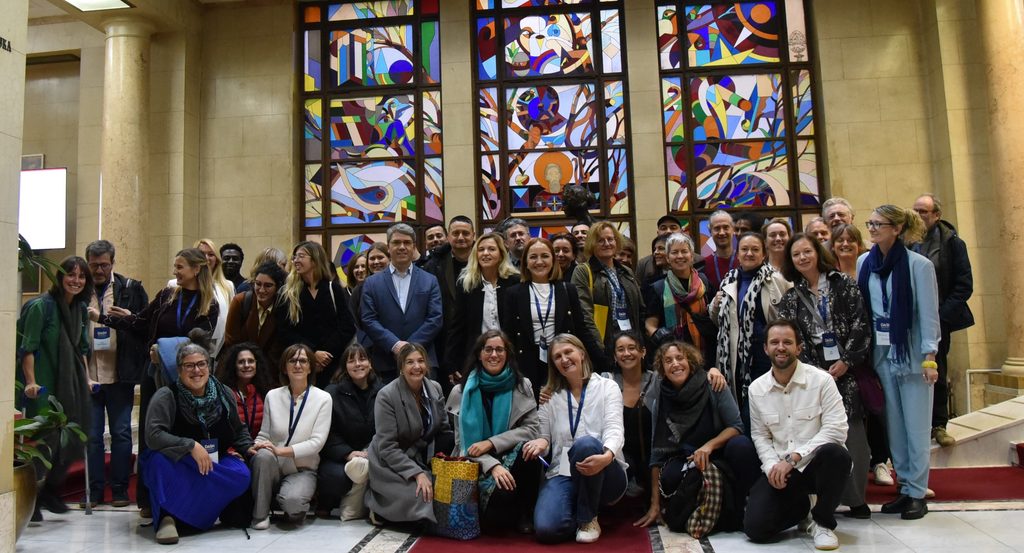
Over two days of discussion, the conference brought together 62 contributions, including two keynote lectures, from 105 authors, with affiliations spanning 64 institutions and organisations in 23 countries. These include universities, research institutes, public authorities, housing providers, cooperatives, and community initiatives, reflecting the diversity of knowledge needed to understand how housing is delivered, governed, and experienced. Together with the panel chairs and other participants, the conference hosted 110 presenters, DASH consortium members, early-career researchers, and representatives of housing networks and organisations such as ENHR and FEANSA.
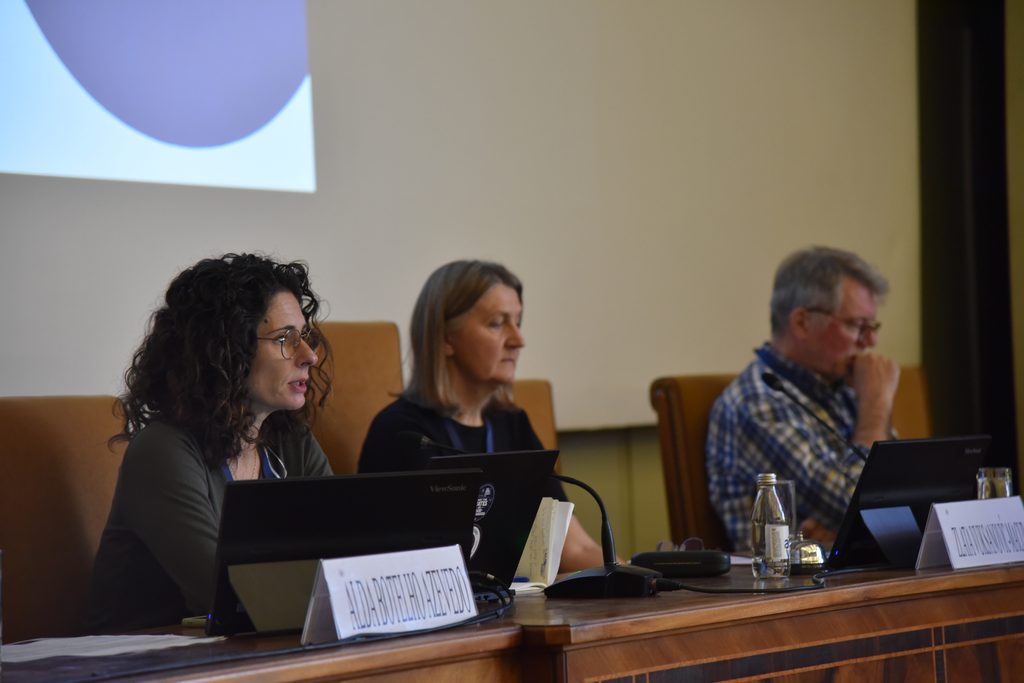
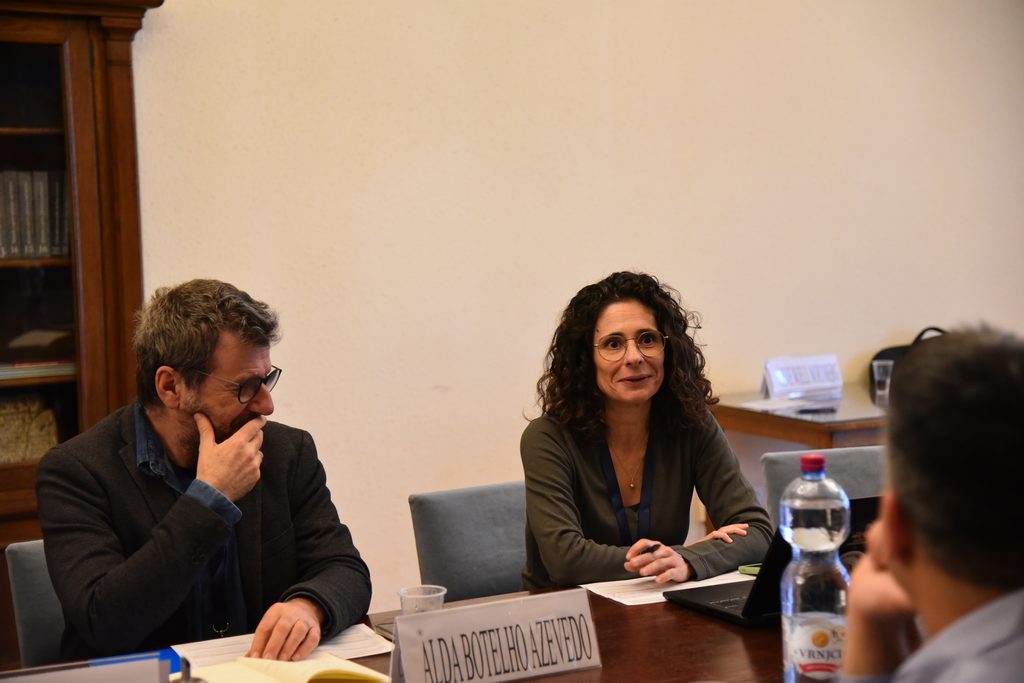
The conference opened with remarks from Alda Azevedo, DASH project coordinator, and a welcome address from Zlata Vuksanović-Macura, president of the Scientific and Organising Committees.
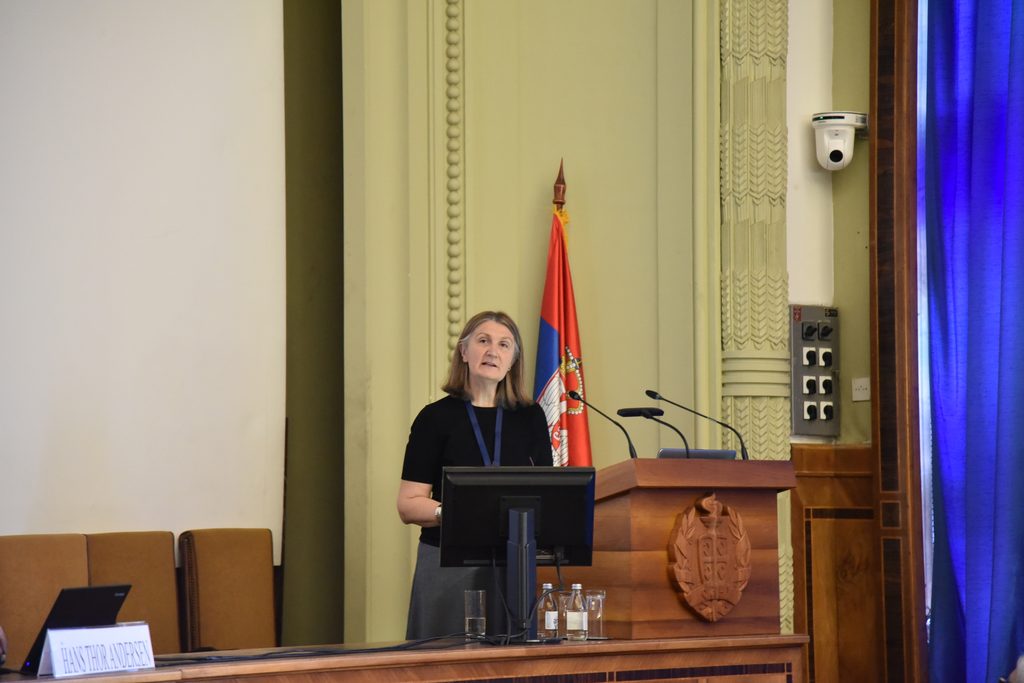
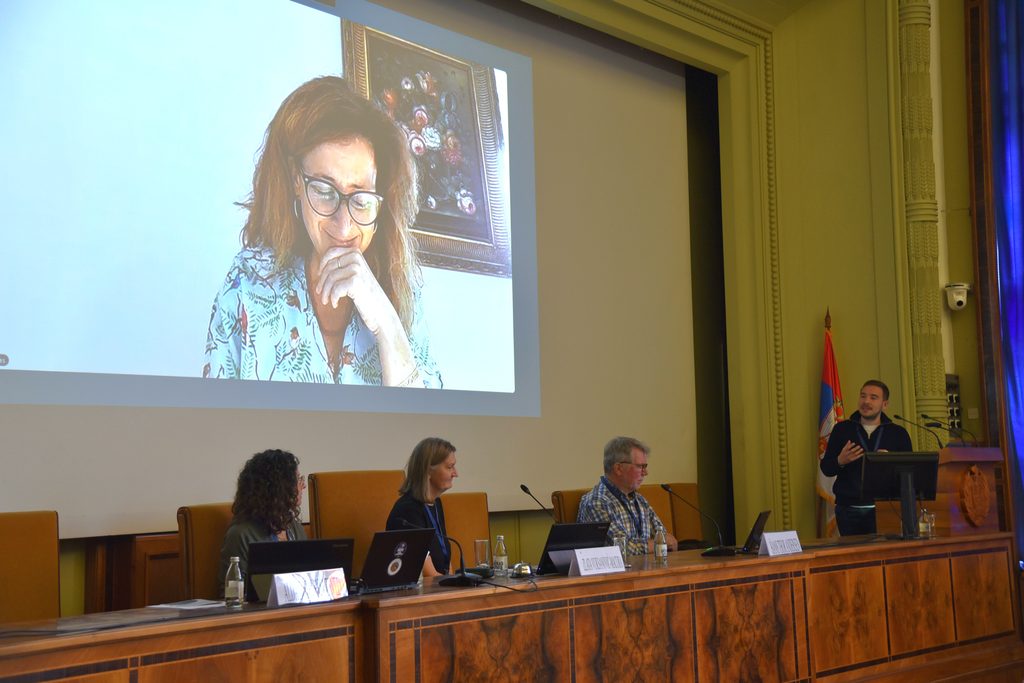
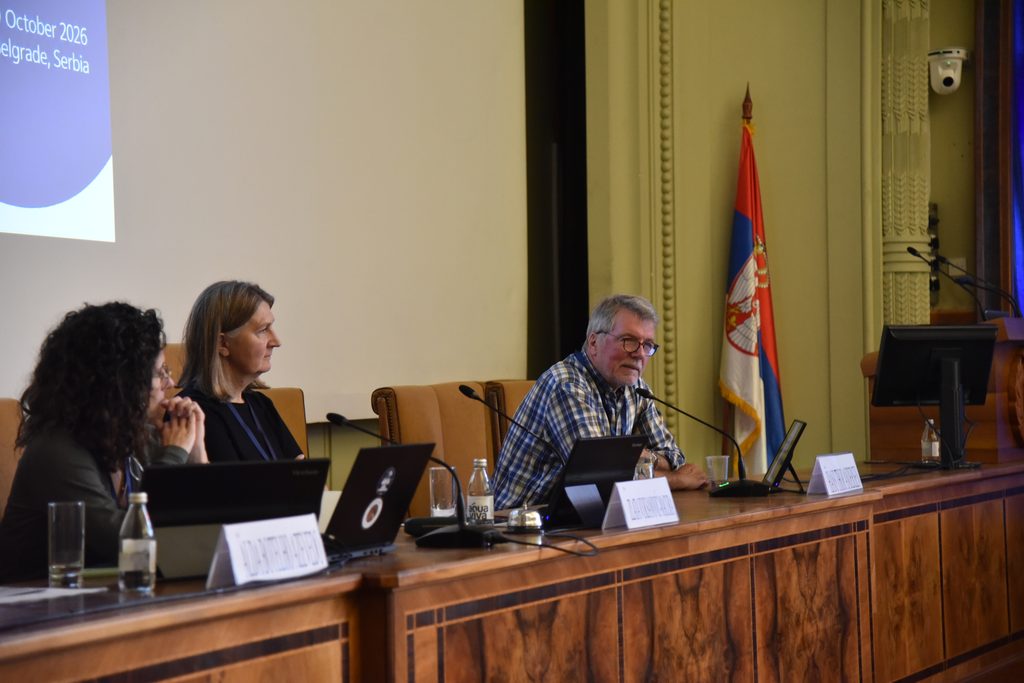
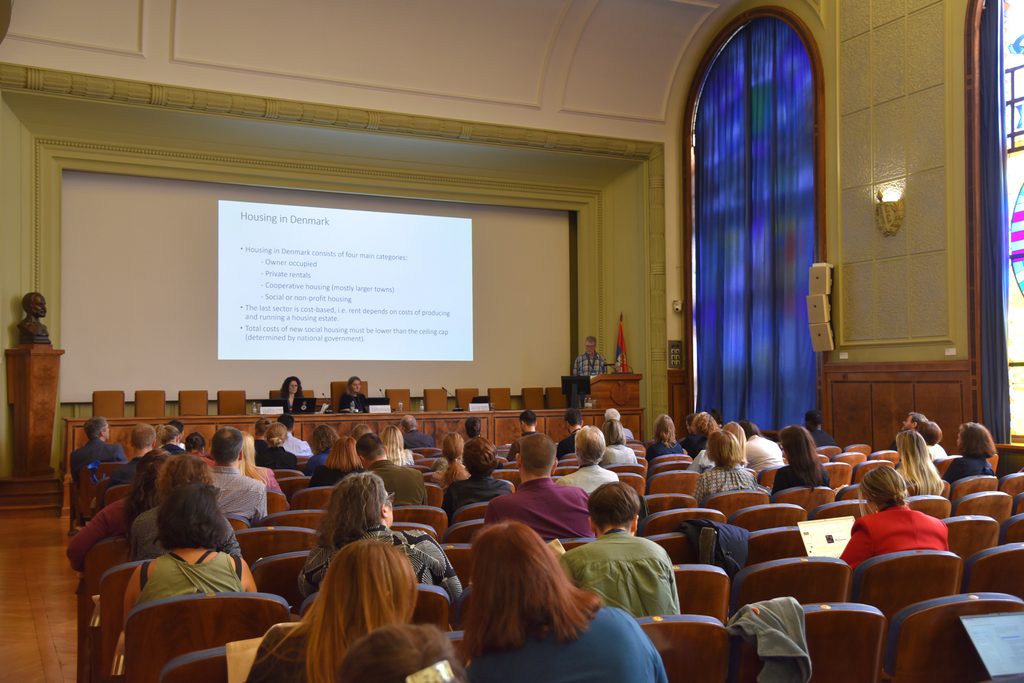
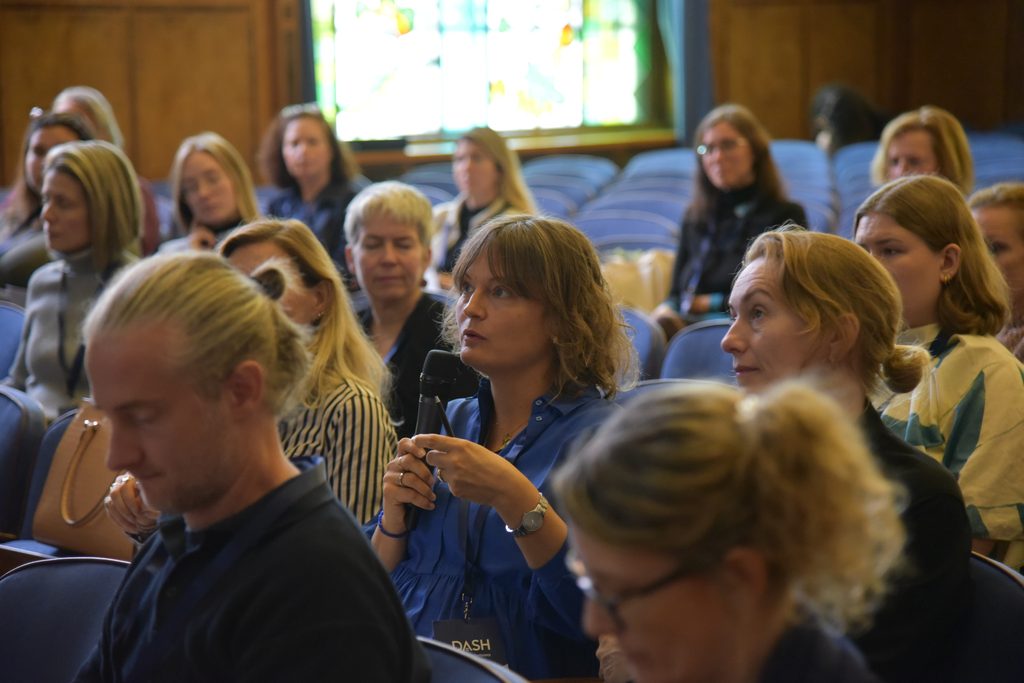
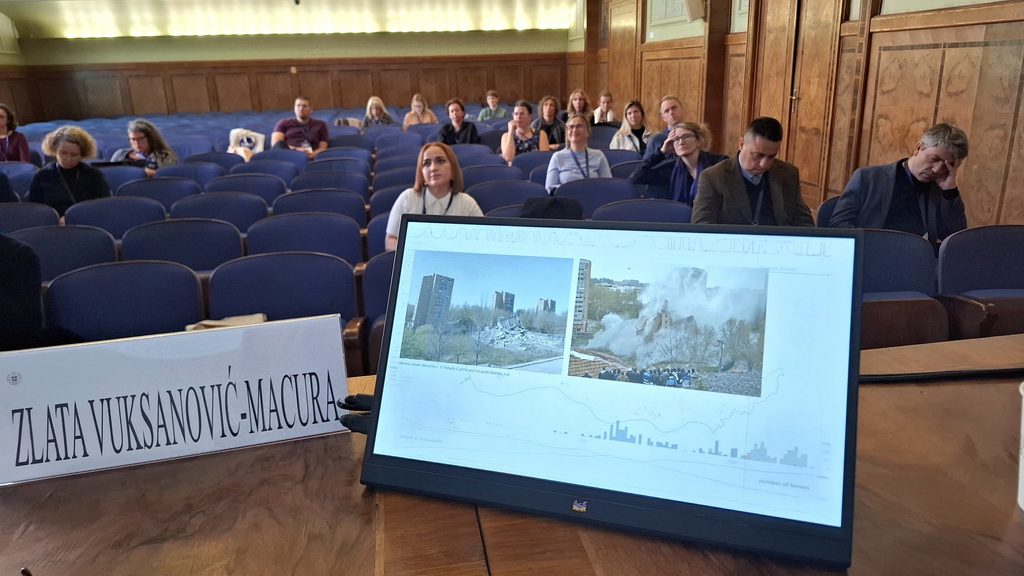
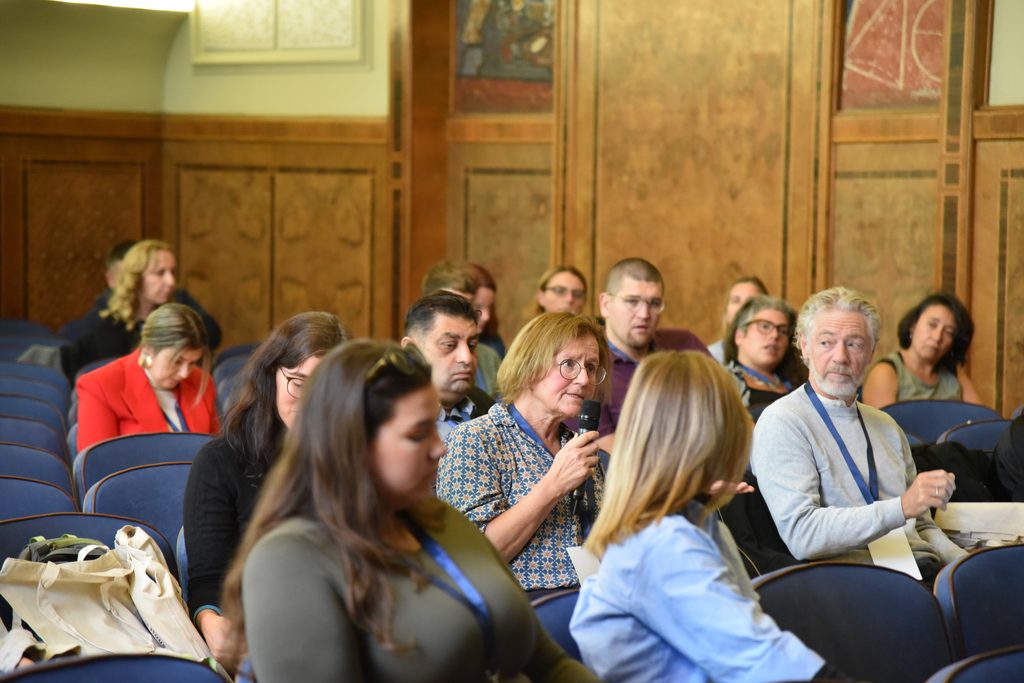
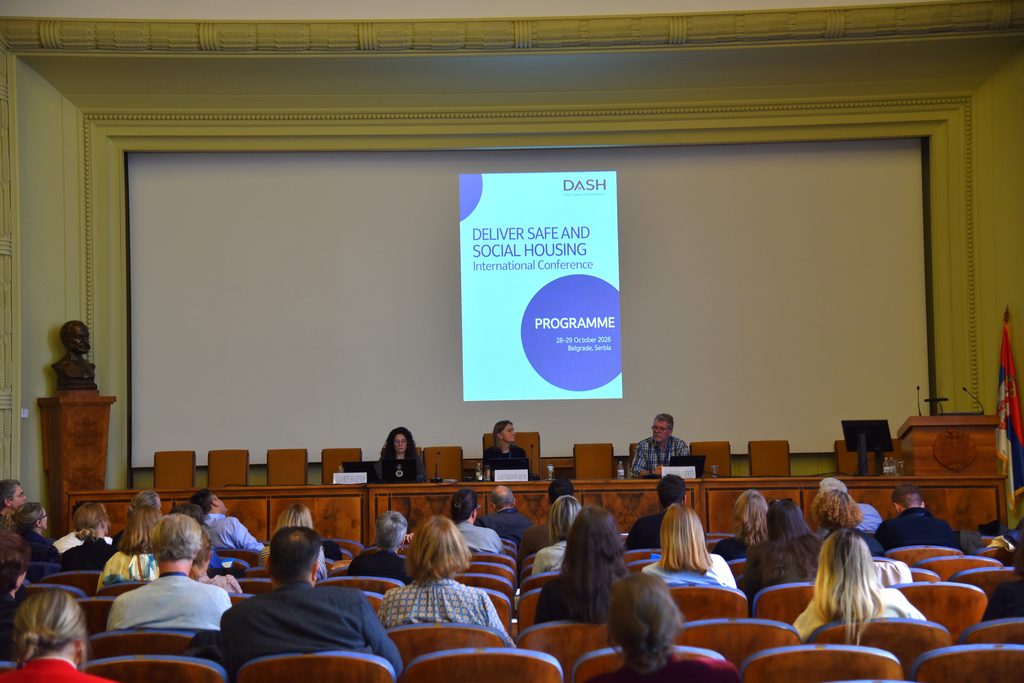
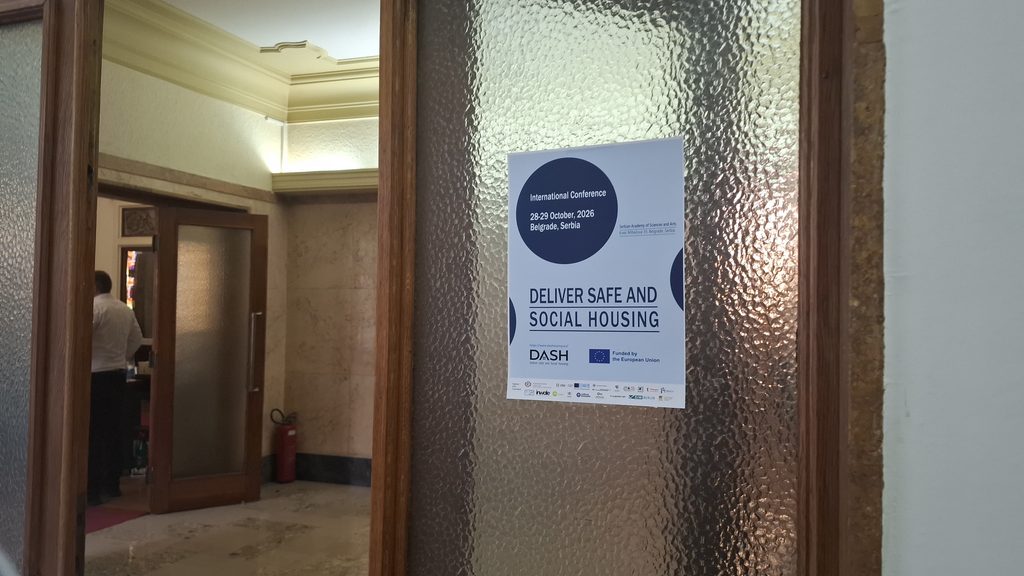
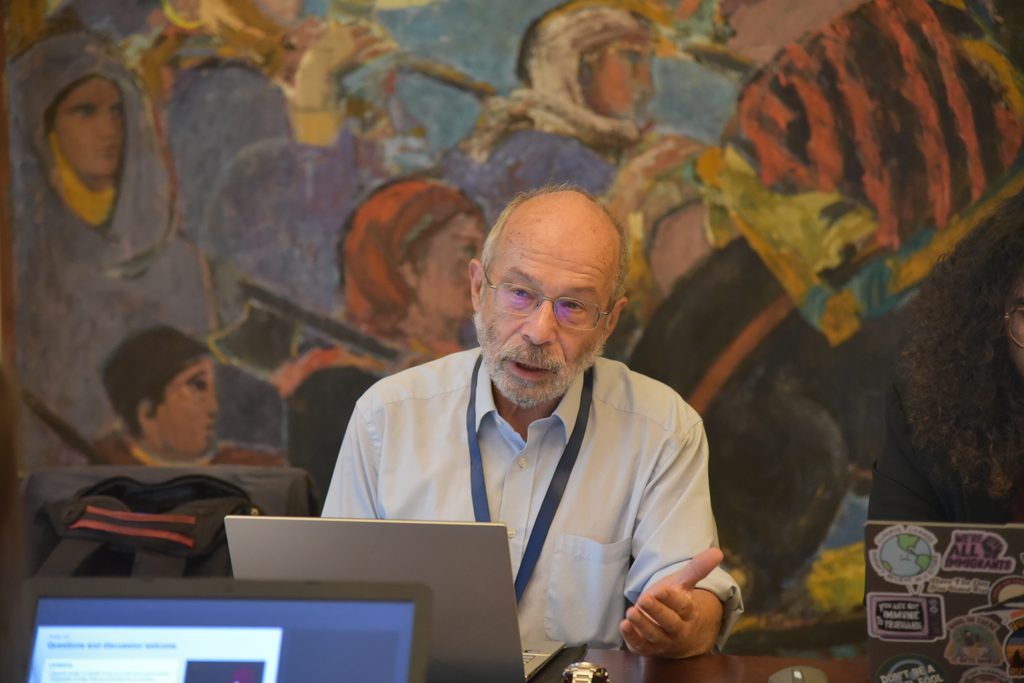
Two keynote lectures further framed the discussions. Sónia Alves reflected on the DASH experience, asking how knowledge gained through research and international exchange can translate into lasting institutional and material change. Hans Thor Andersen examined the challenges of planning social housing and maintaining affordability in Copenhagen amid increasing marketisation. Together, their contributions linked the capacity to act with the conditions that enable or constrain change.
Across 15 thematic panels, the programme linked historical housing trajectories to contemporary questions of planning, land allocation, finance and governance. Contributions examined housing needs in secondary cities, affordability pressures, and the relationship between policy intentions and residents’ everyday lives. Research on Roma inclusion, aging, migration and experiences of insecurity underscored the importance of understanding housing beyond the dwelling itself. Other contributions considered how existing housing can respond to changing needs through adaptation, energy improvements and neighbourhood regeneration. Cooperative and community-led initiatives opened discussions about participation, collective responsibility and alternative approaches to housing provision.
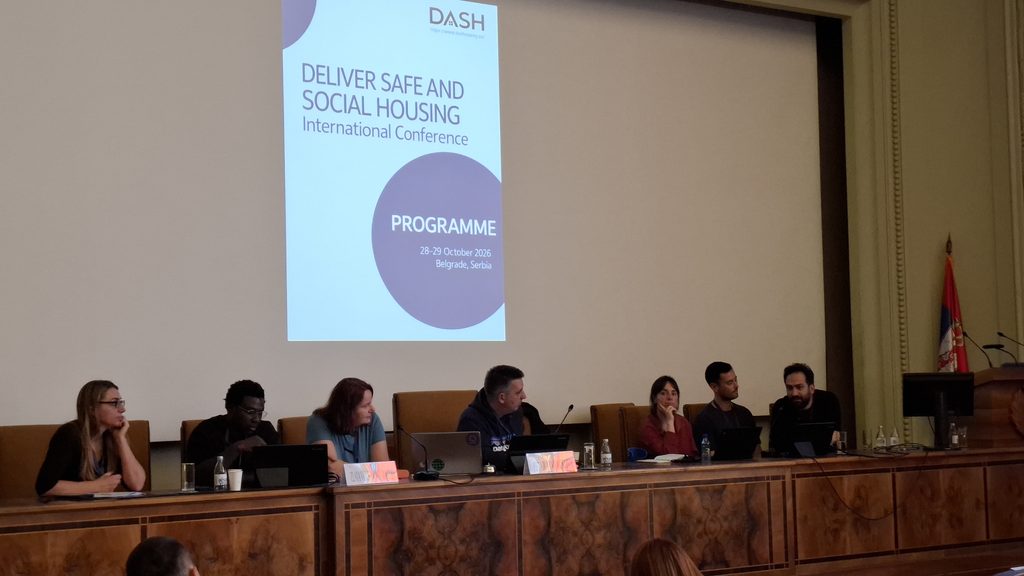
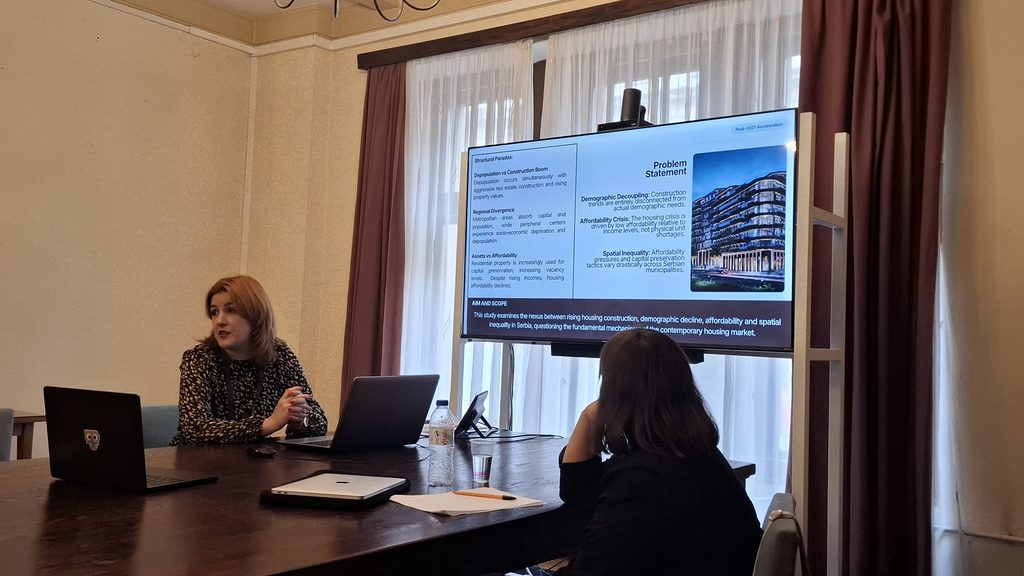
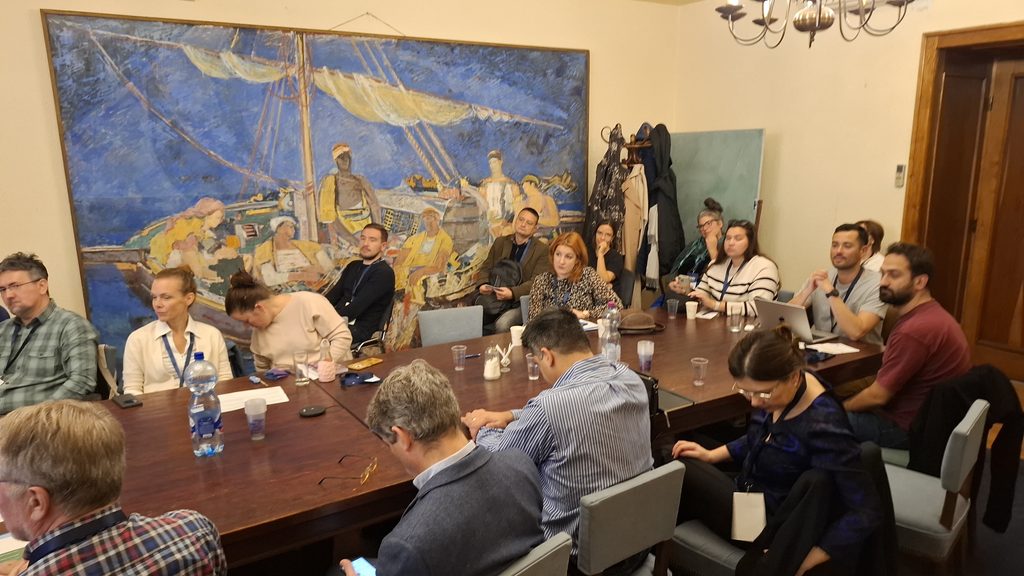
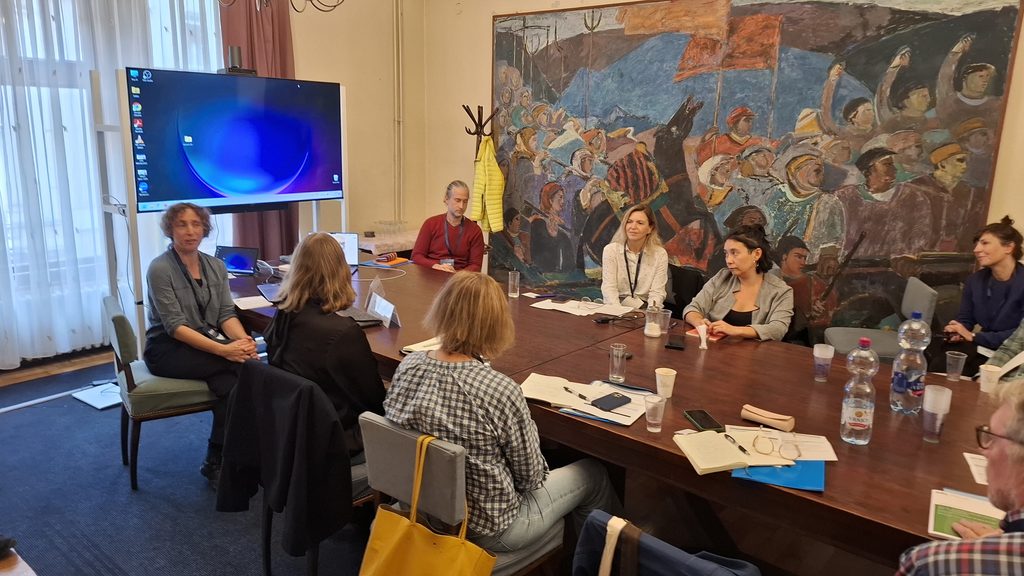
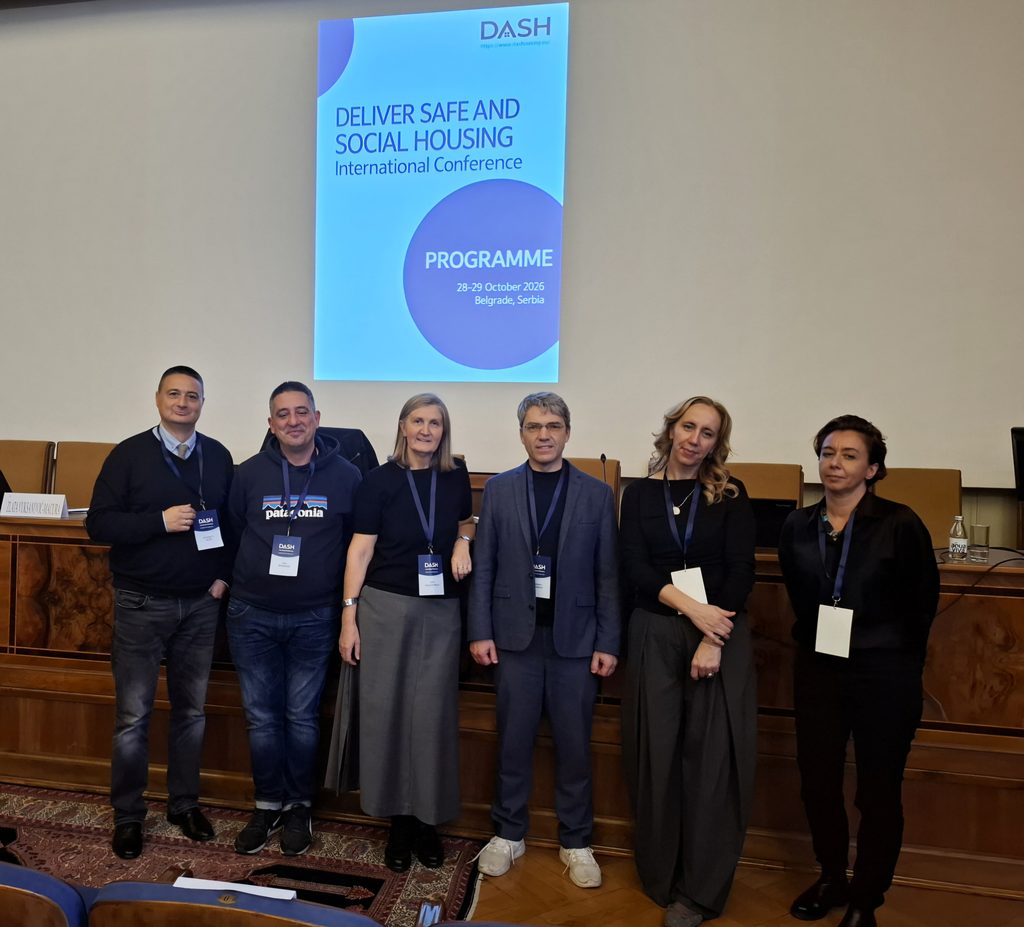
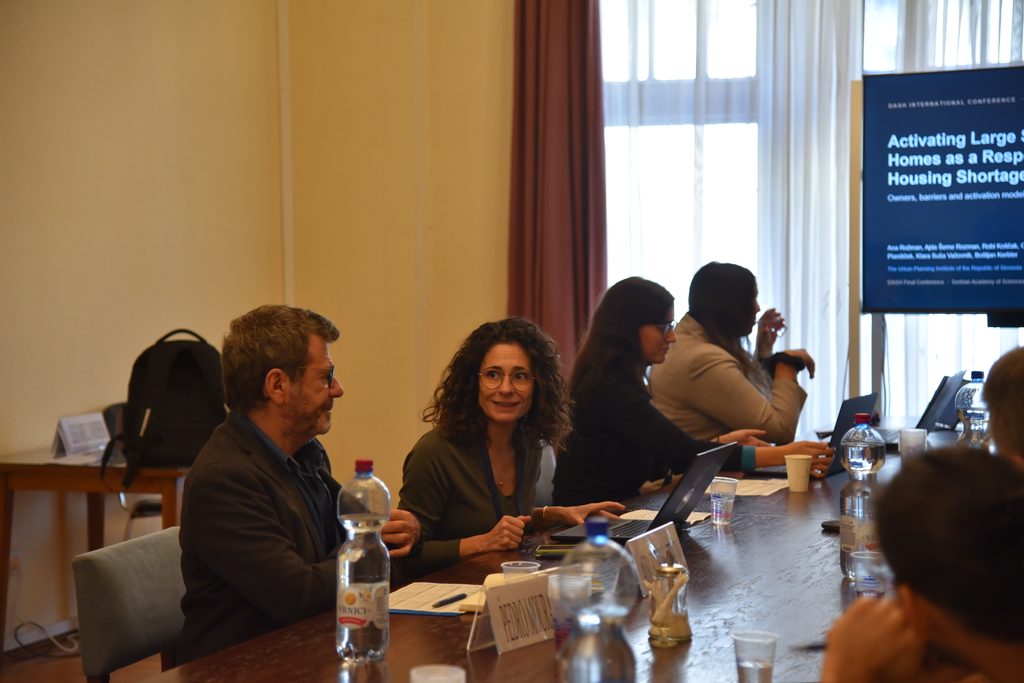
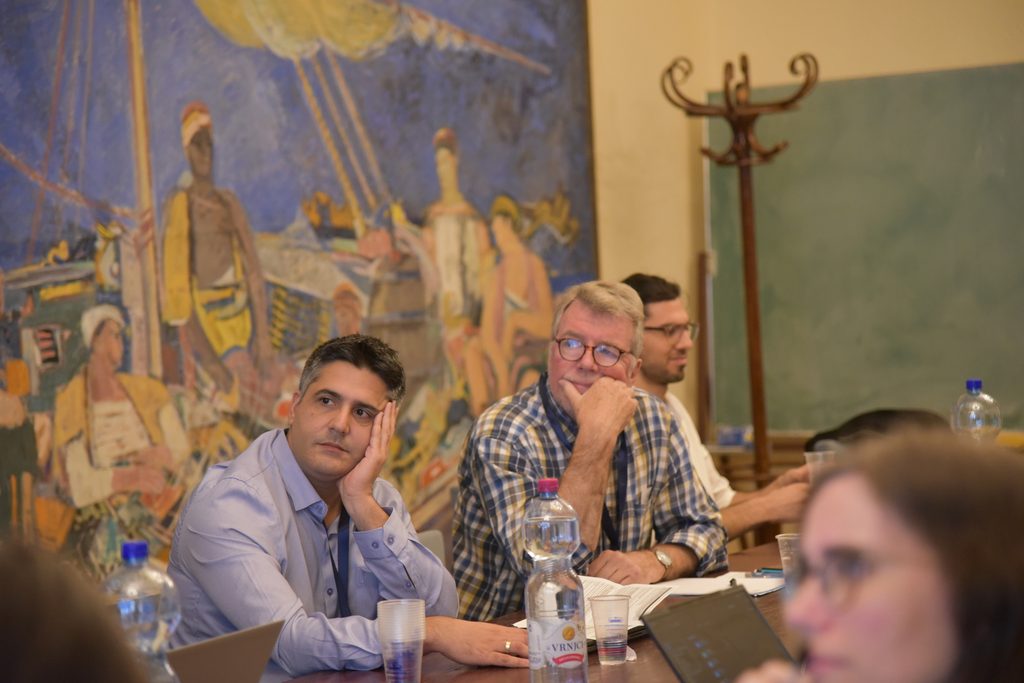
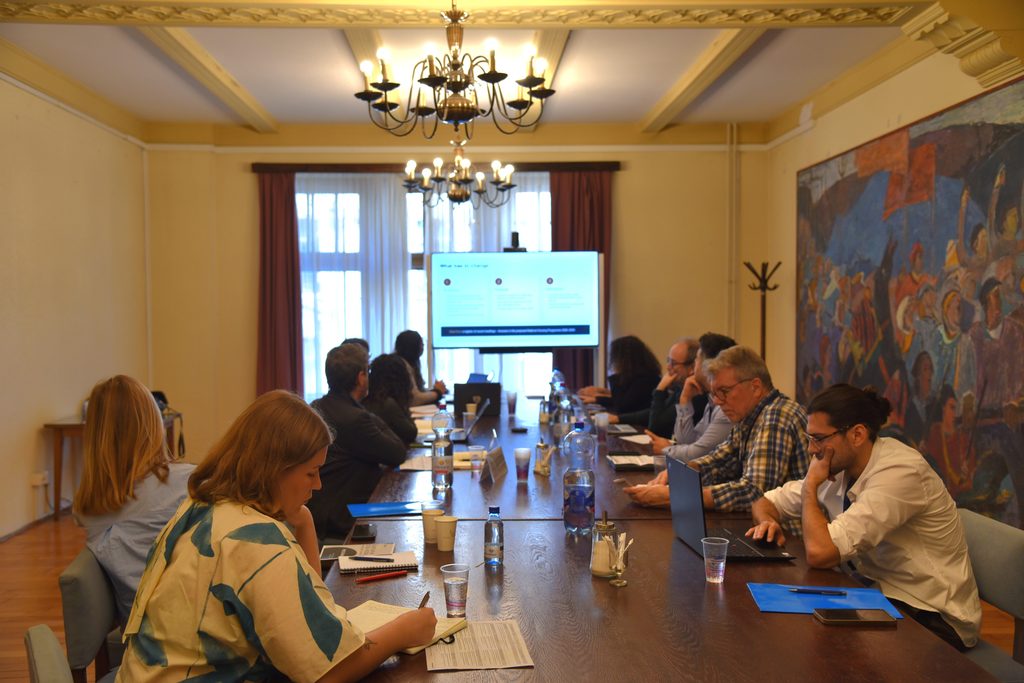
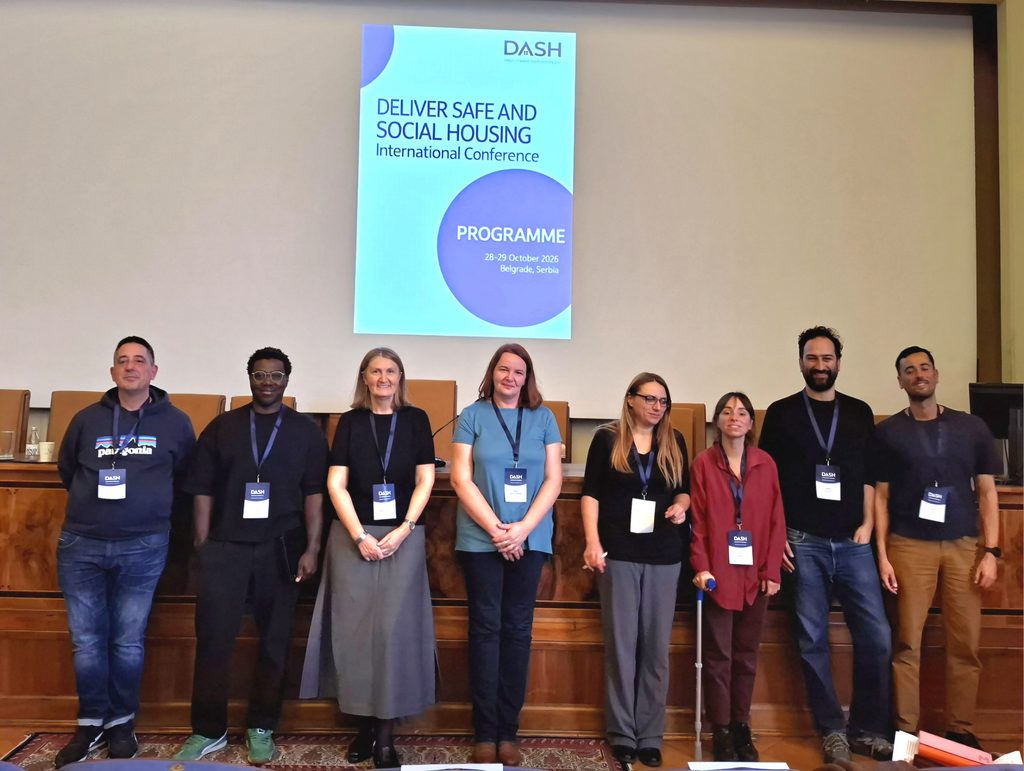
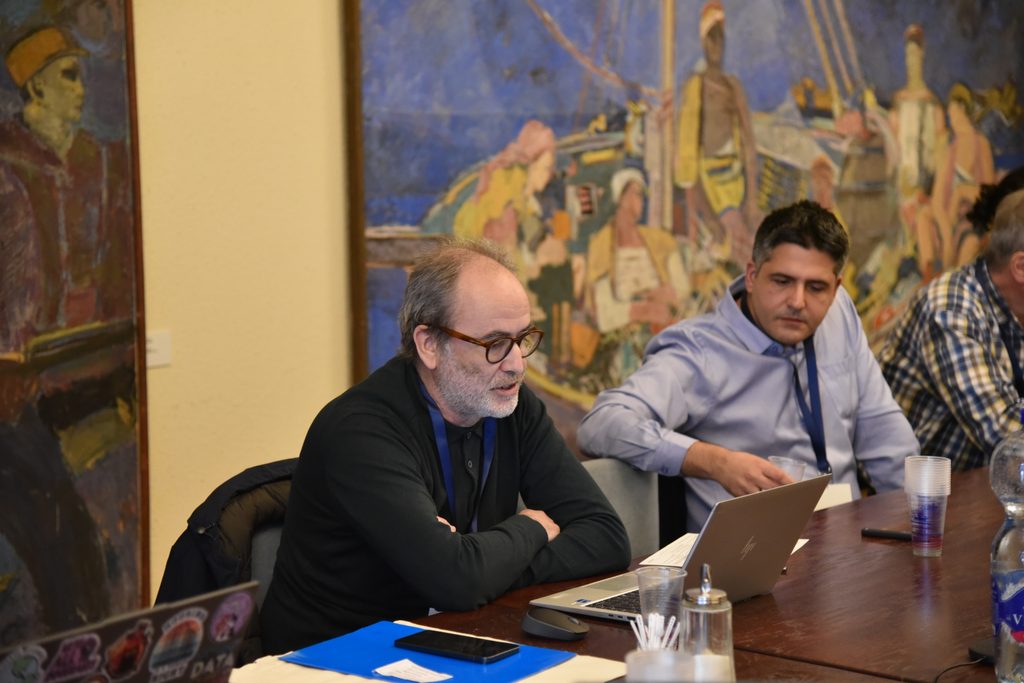
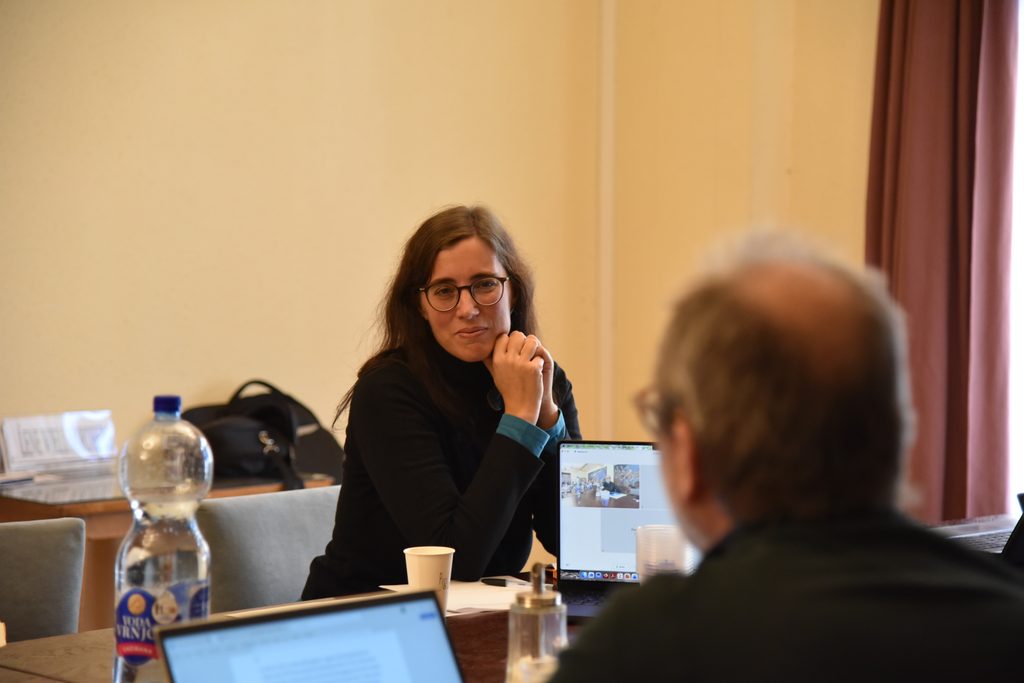
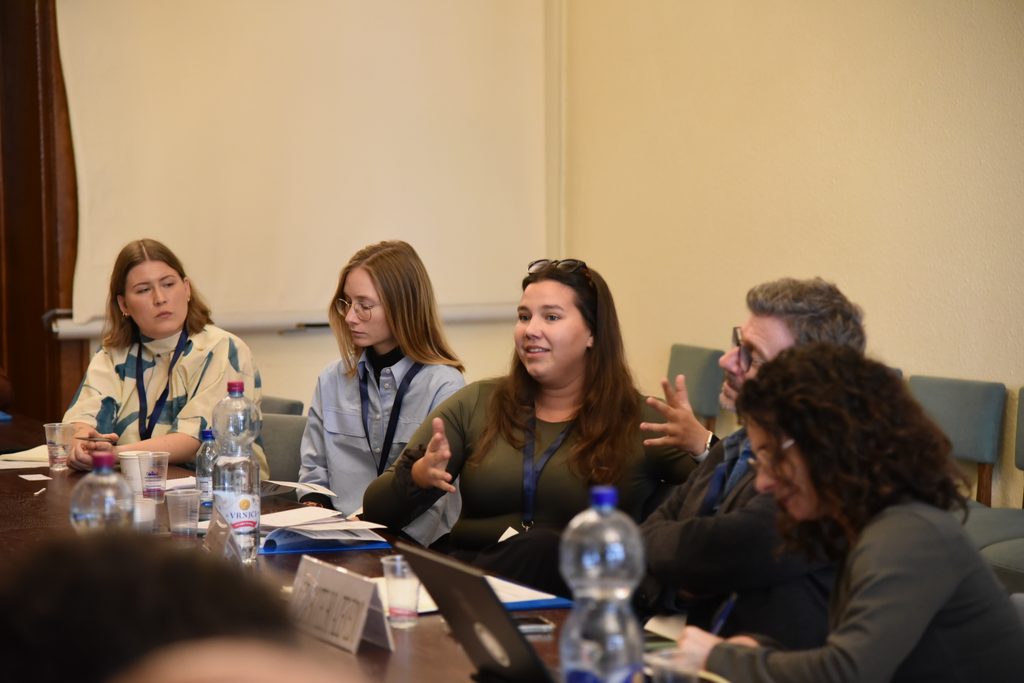
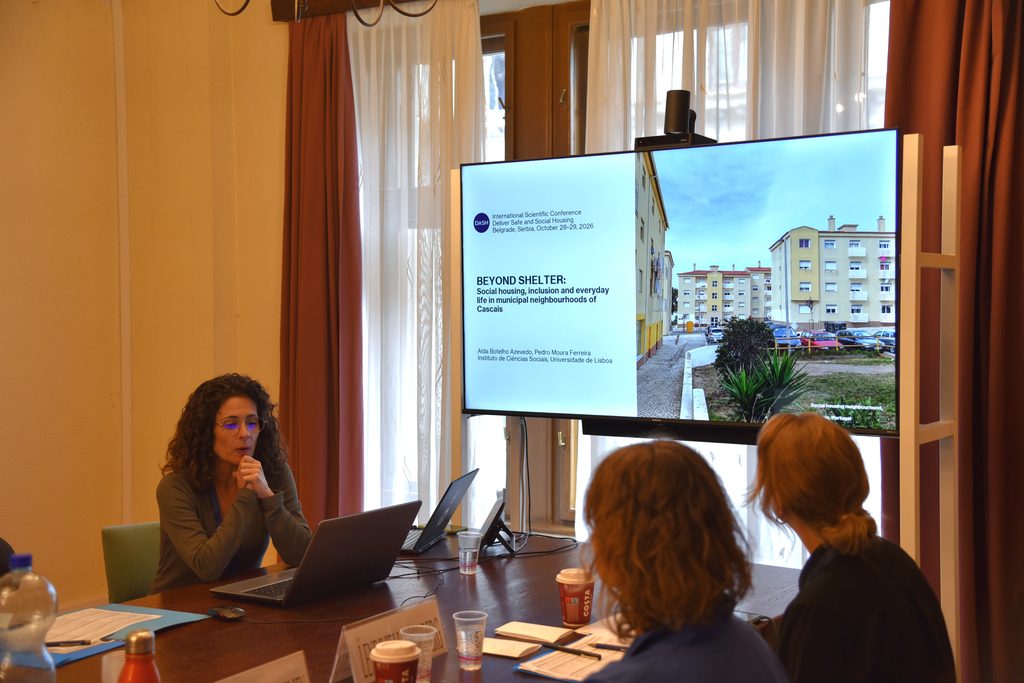
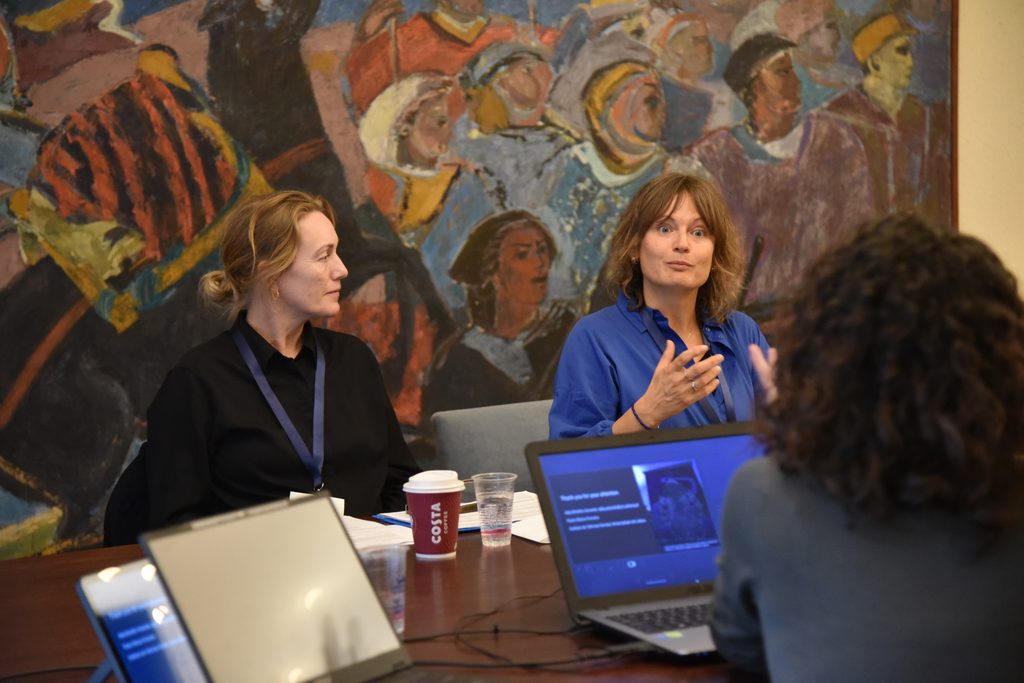
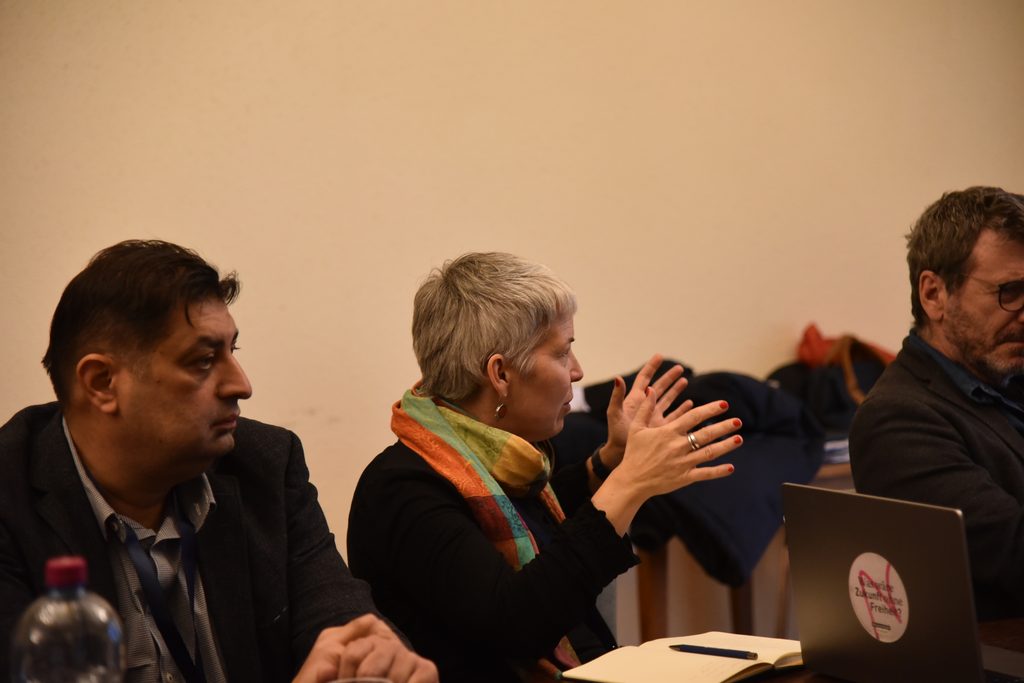
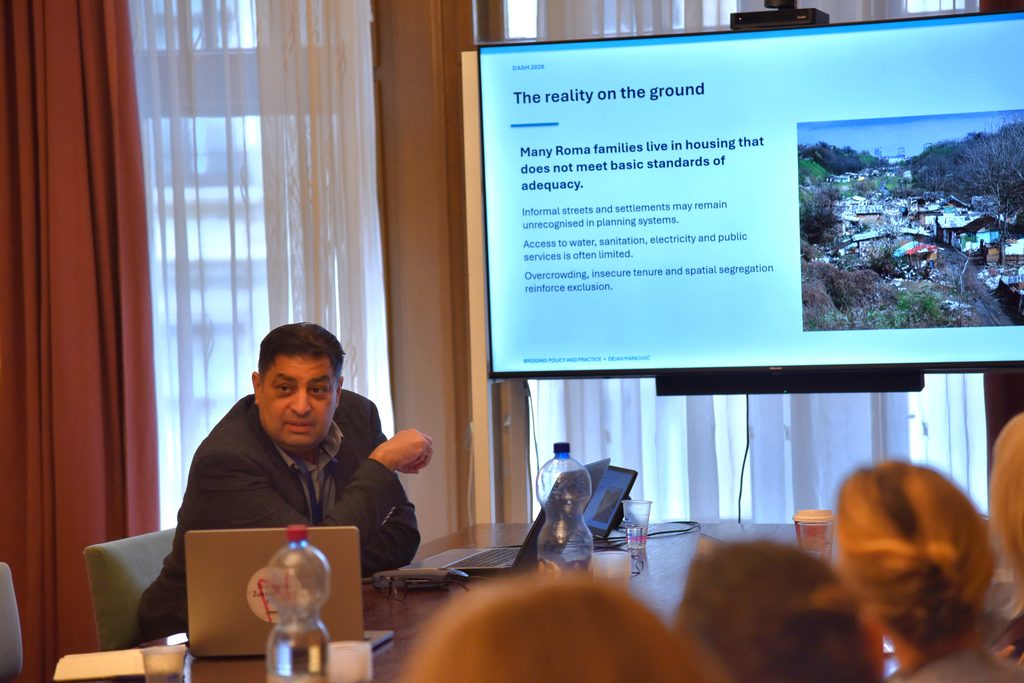
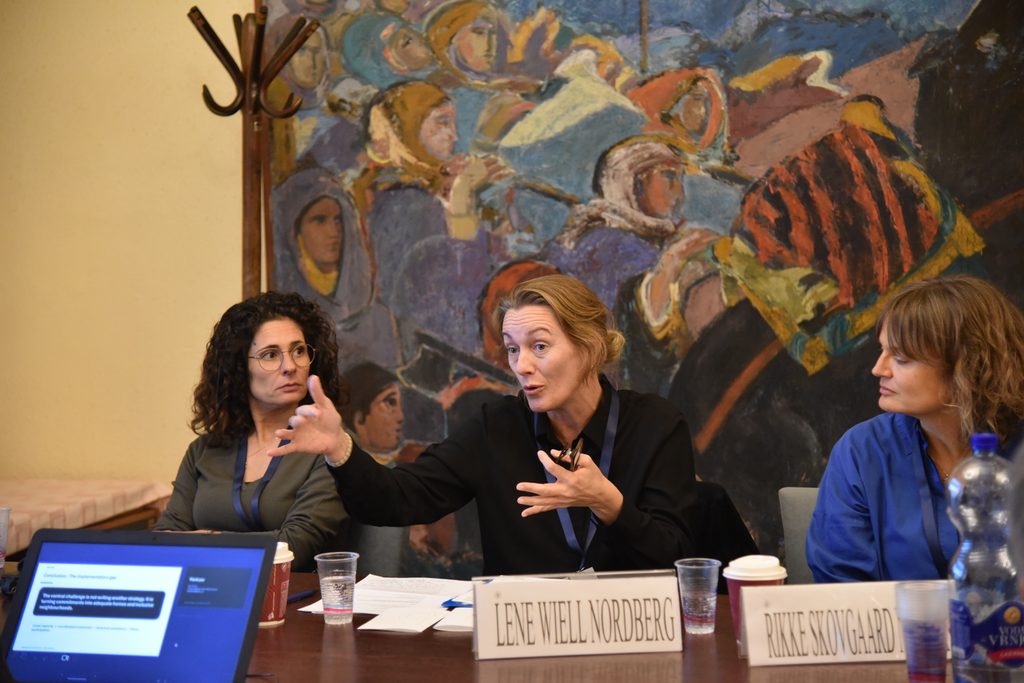
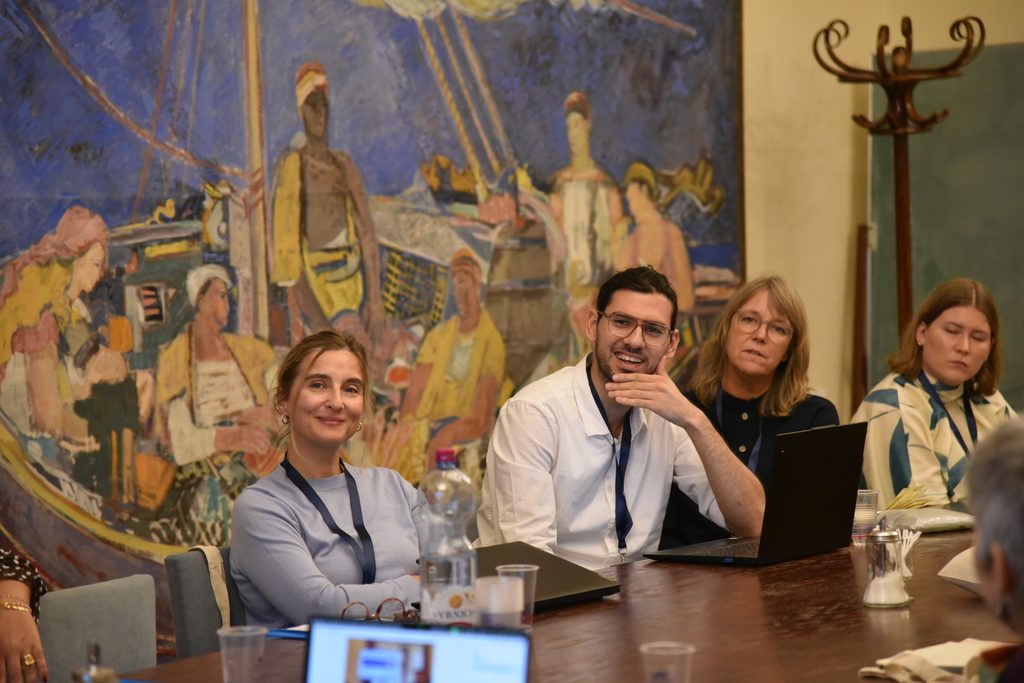
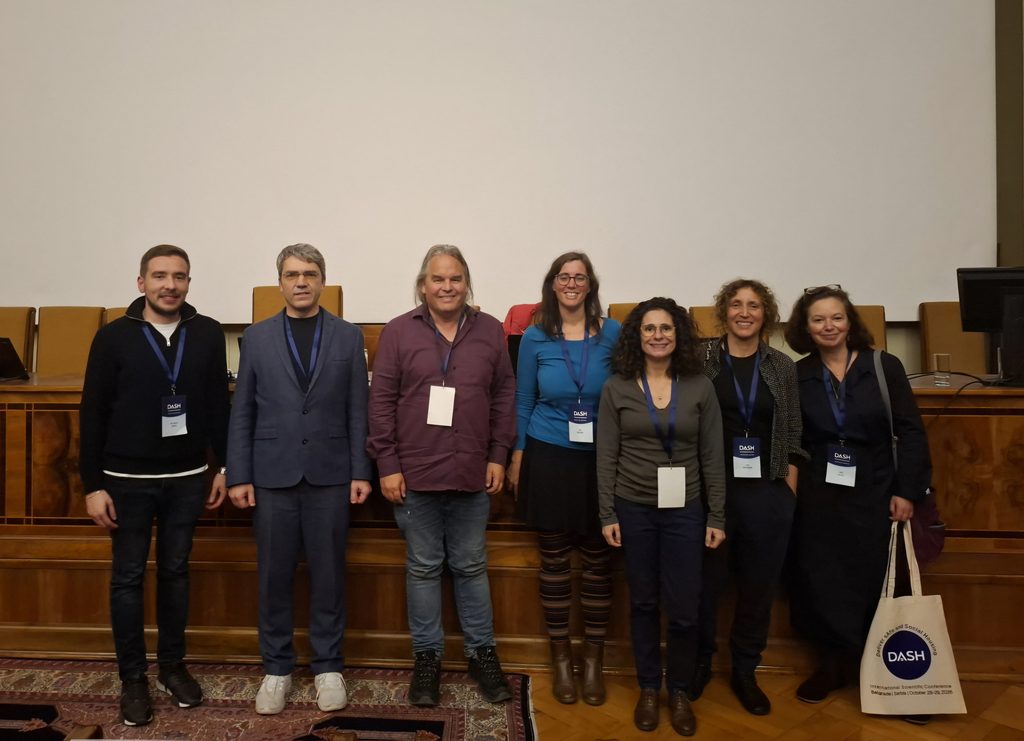
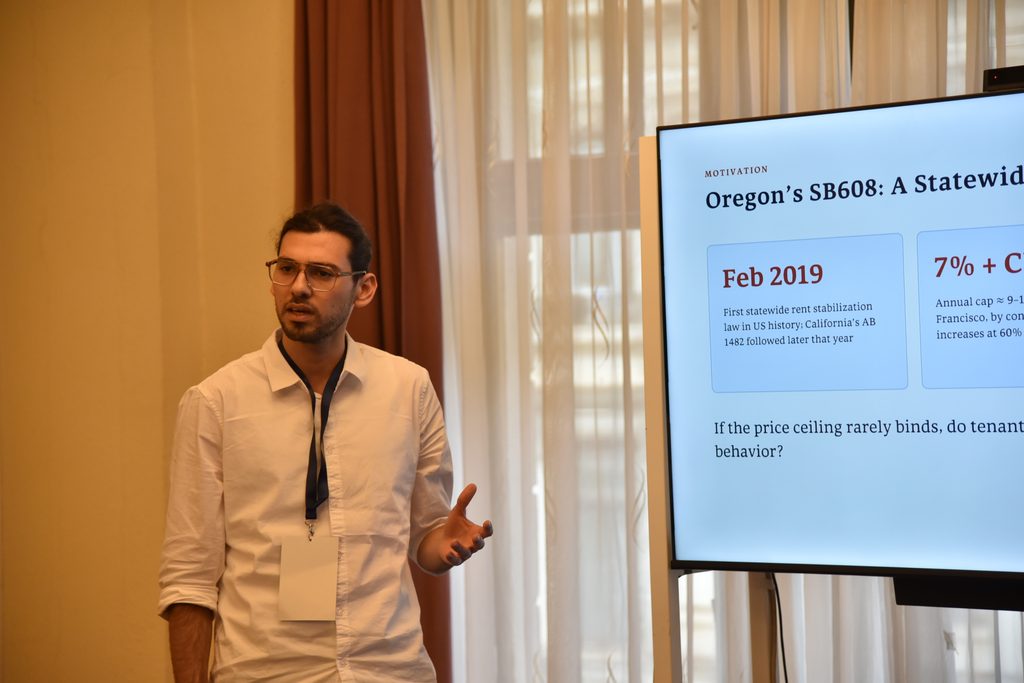
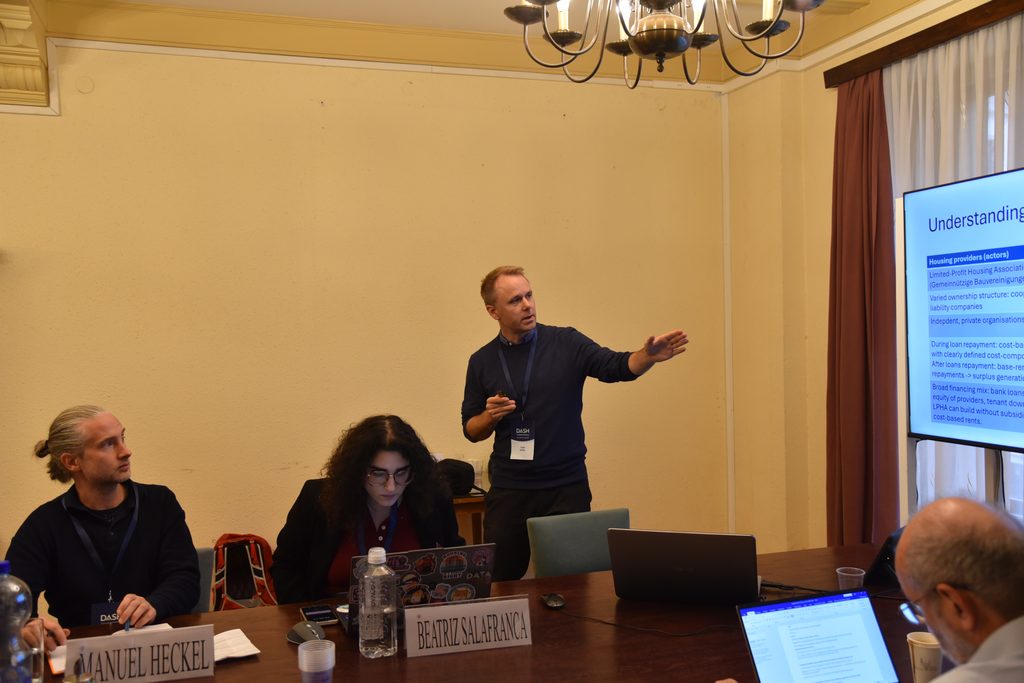
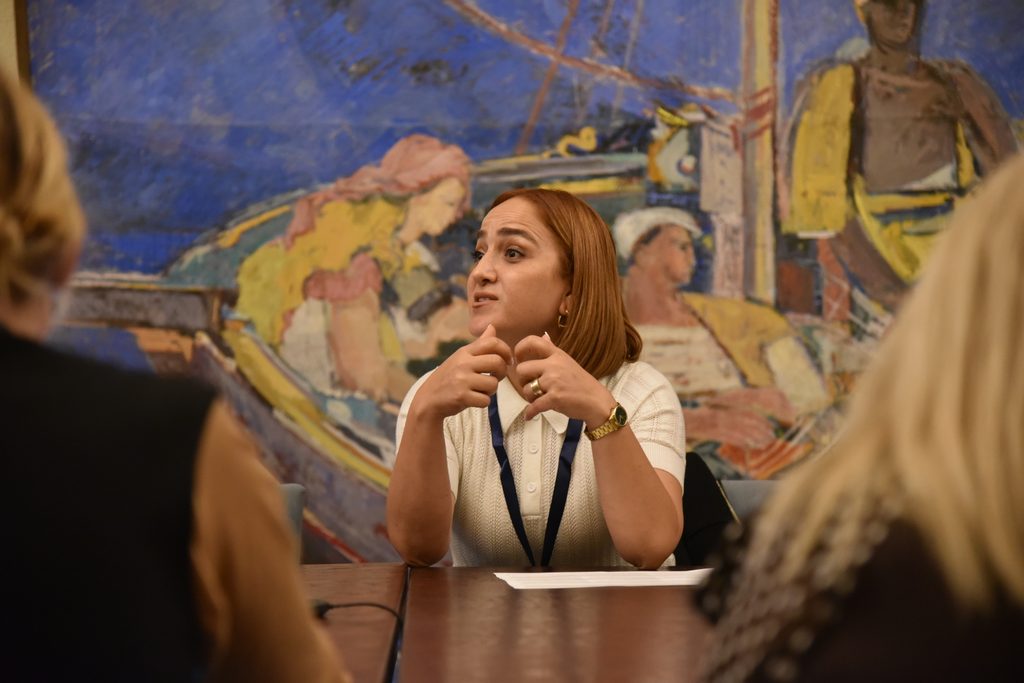
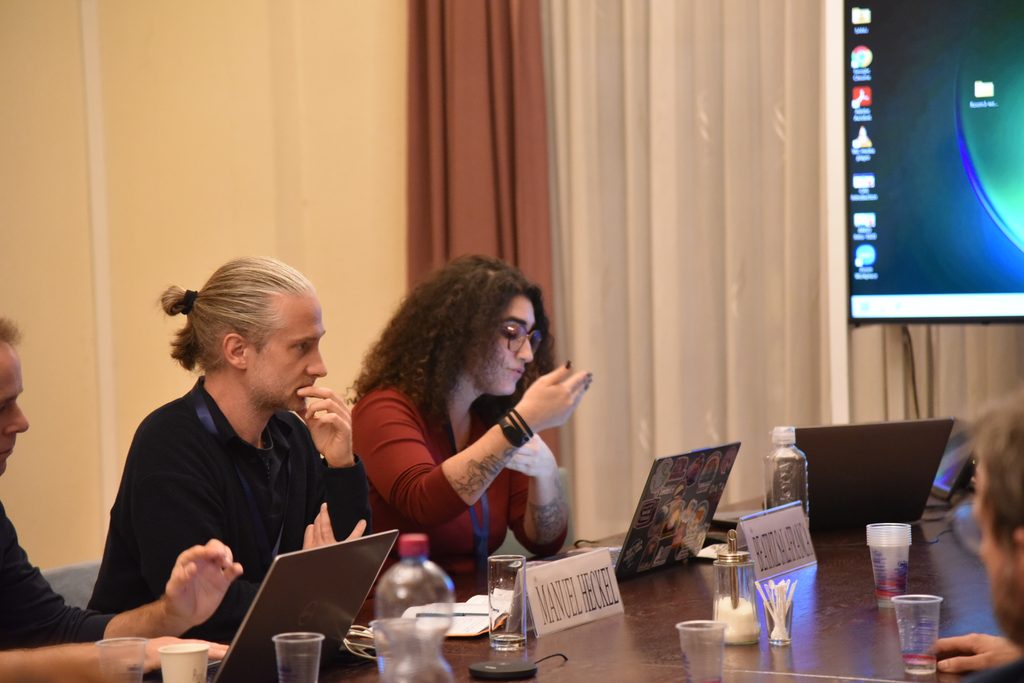
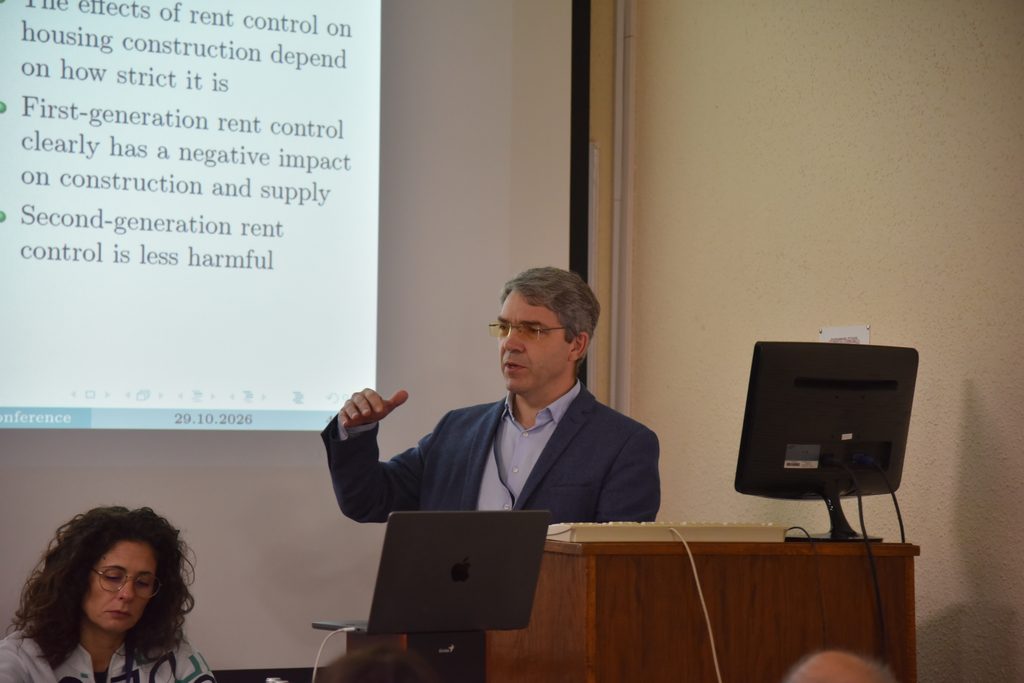
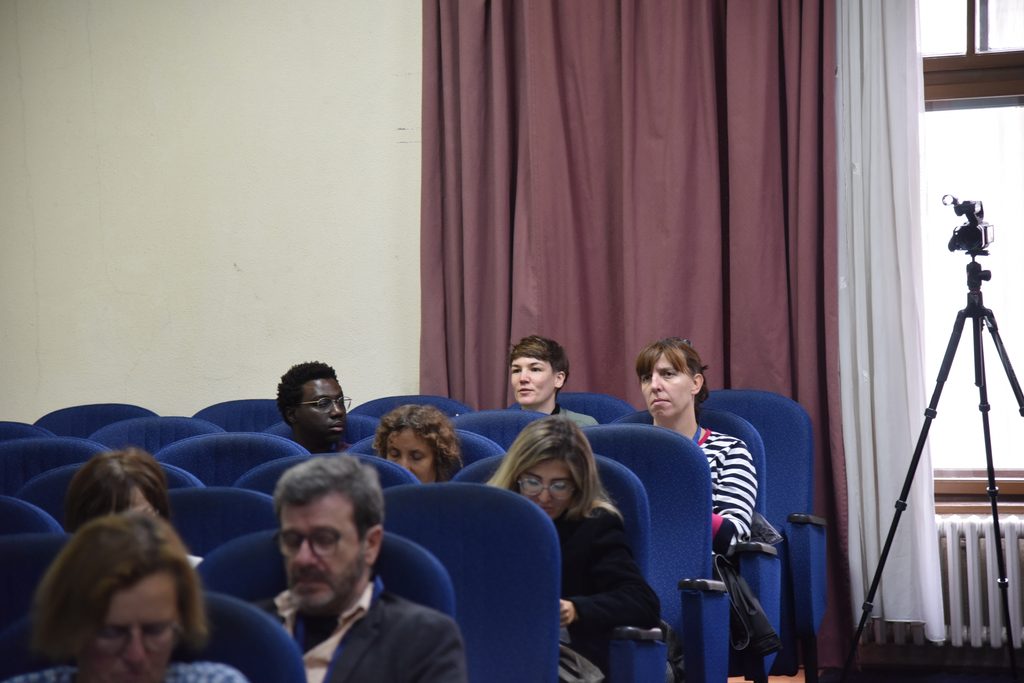
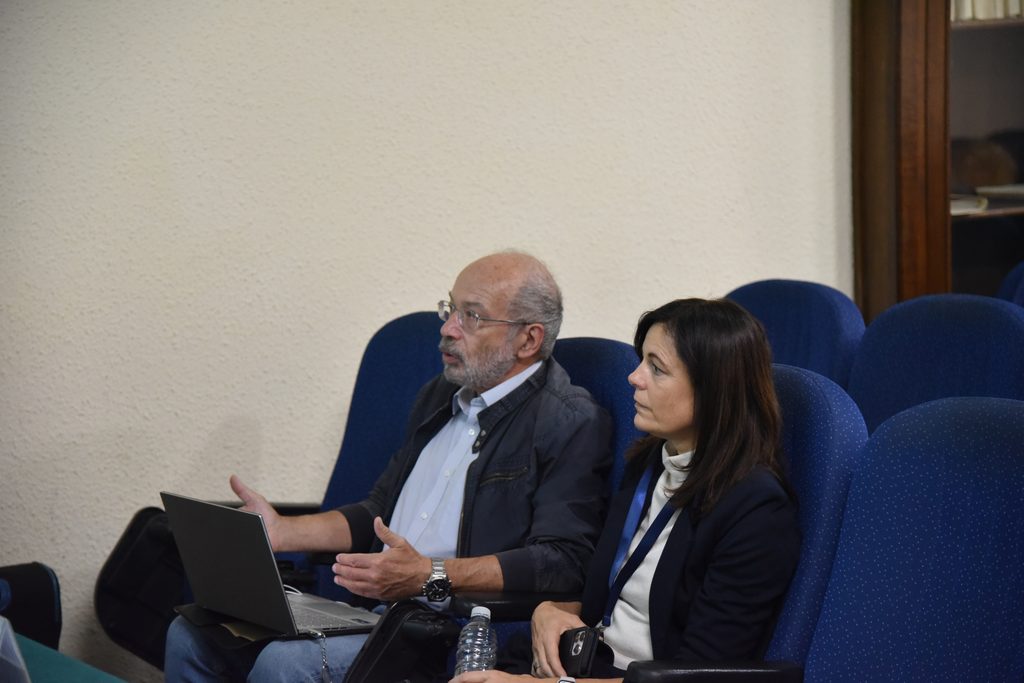
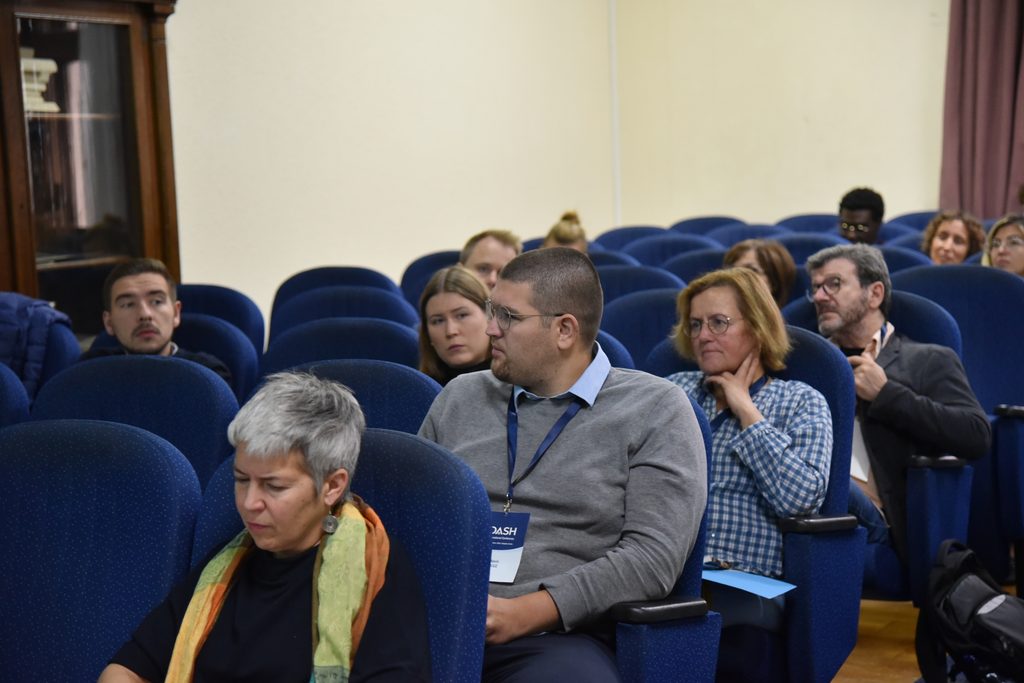
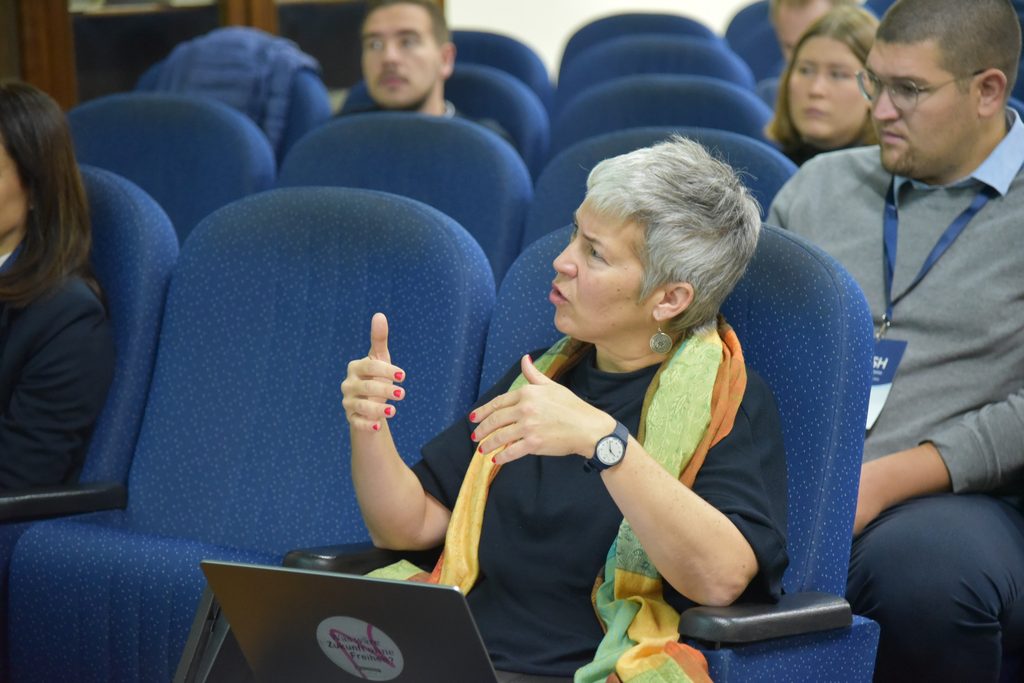
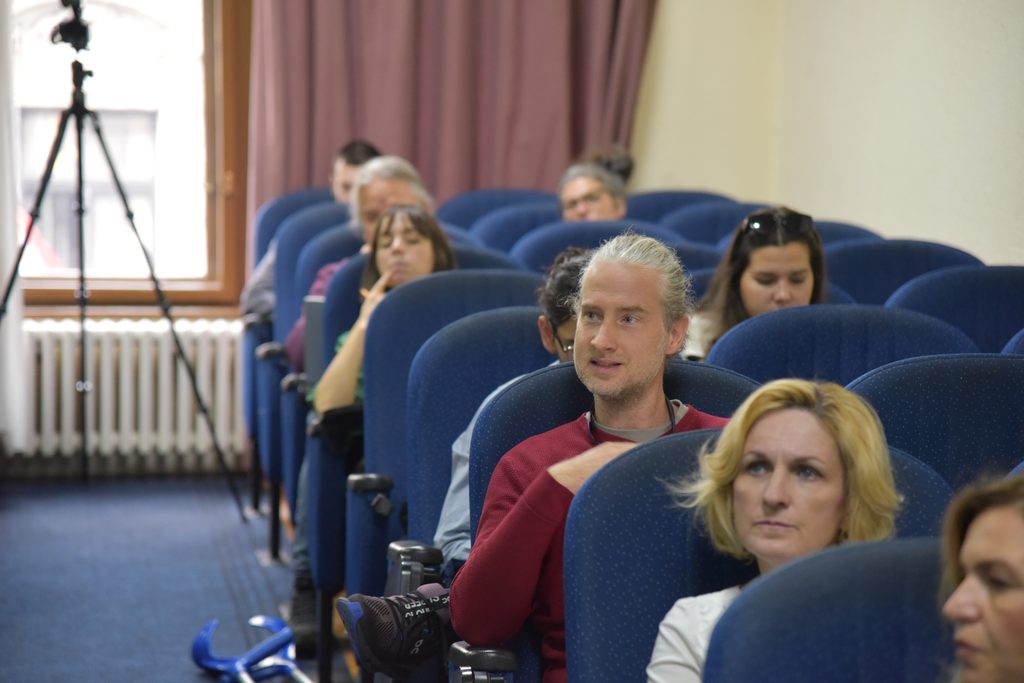
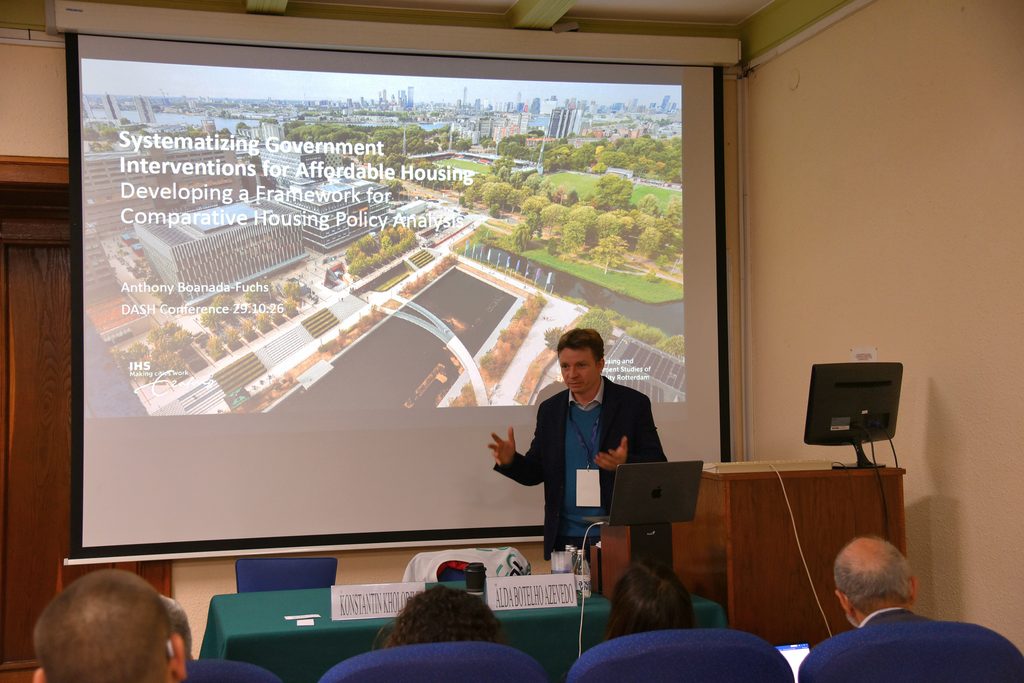
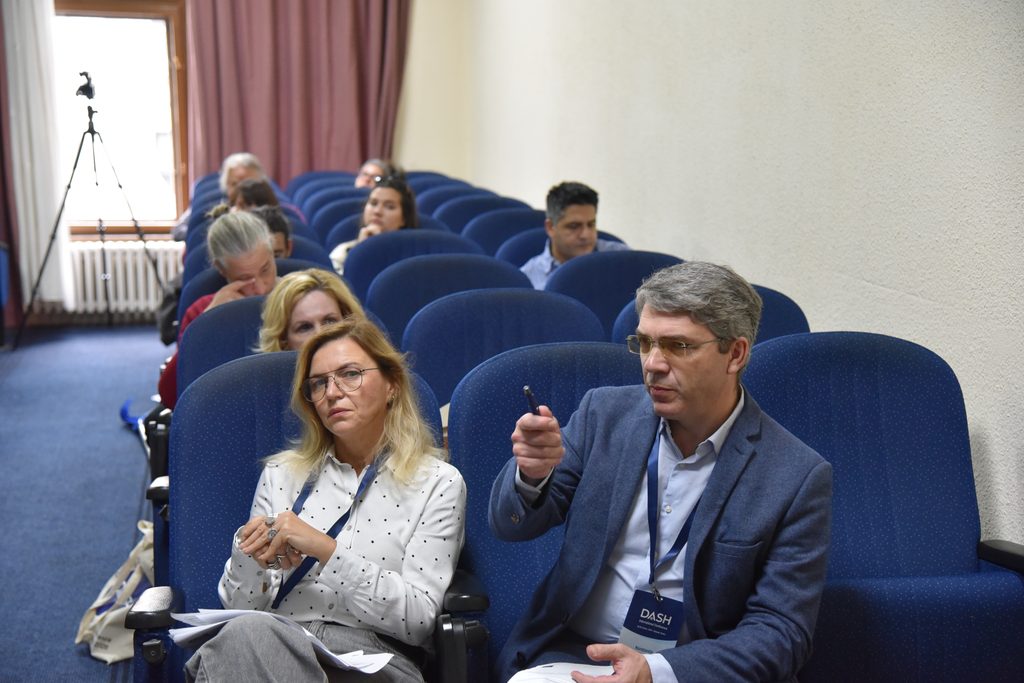
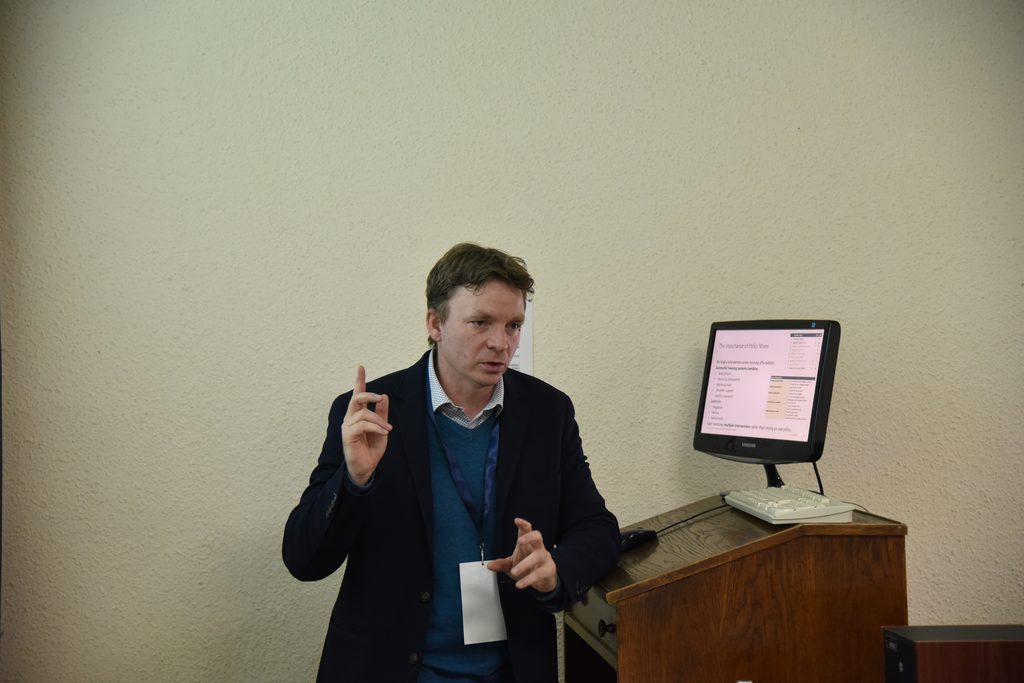
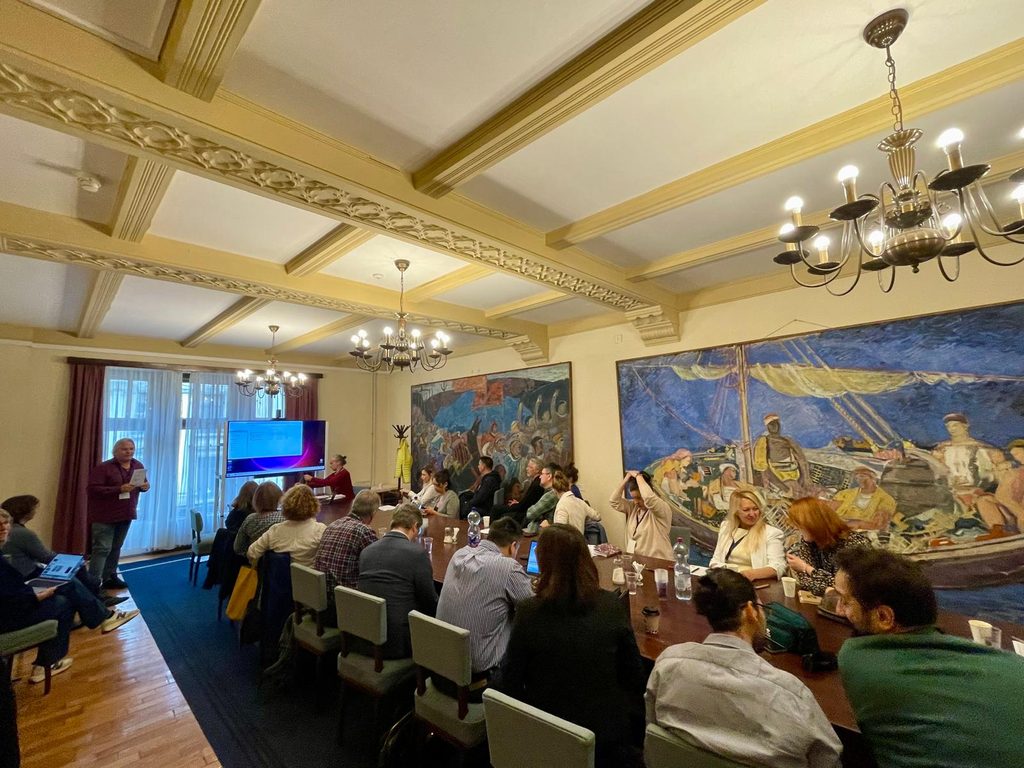
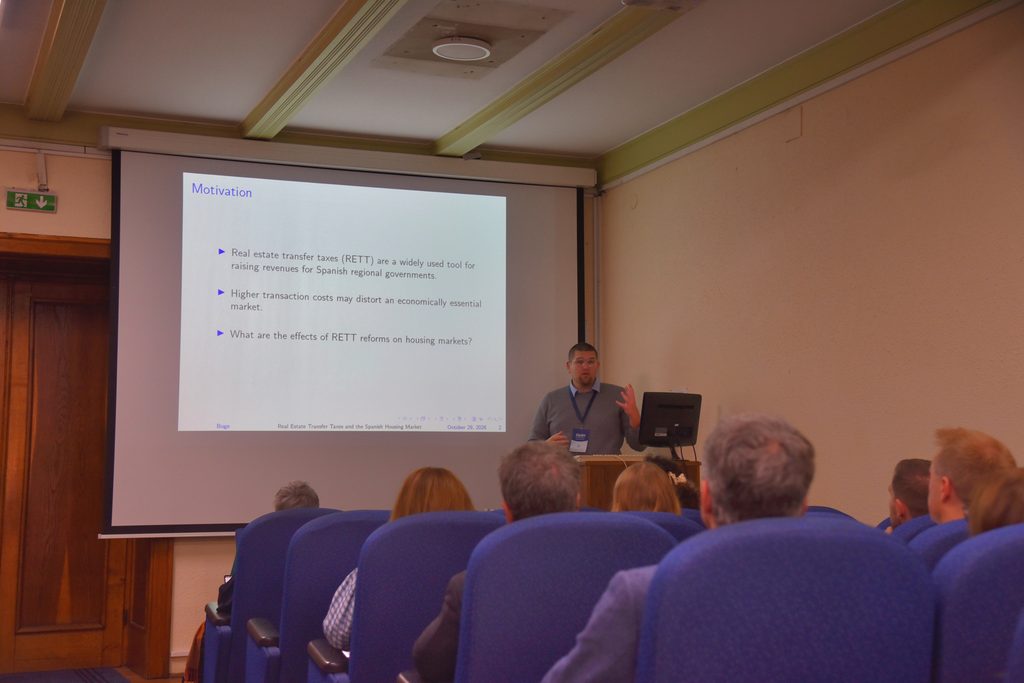
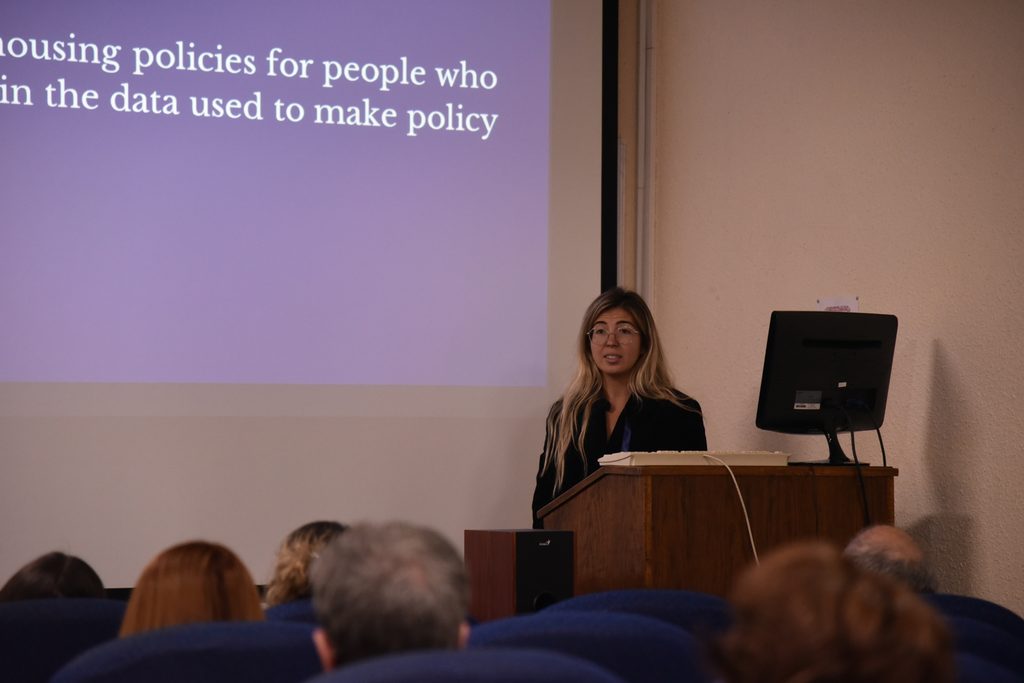
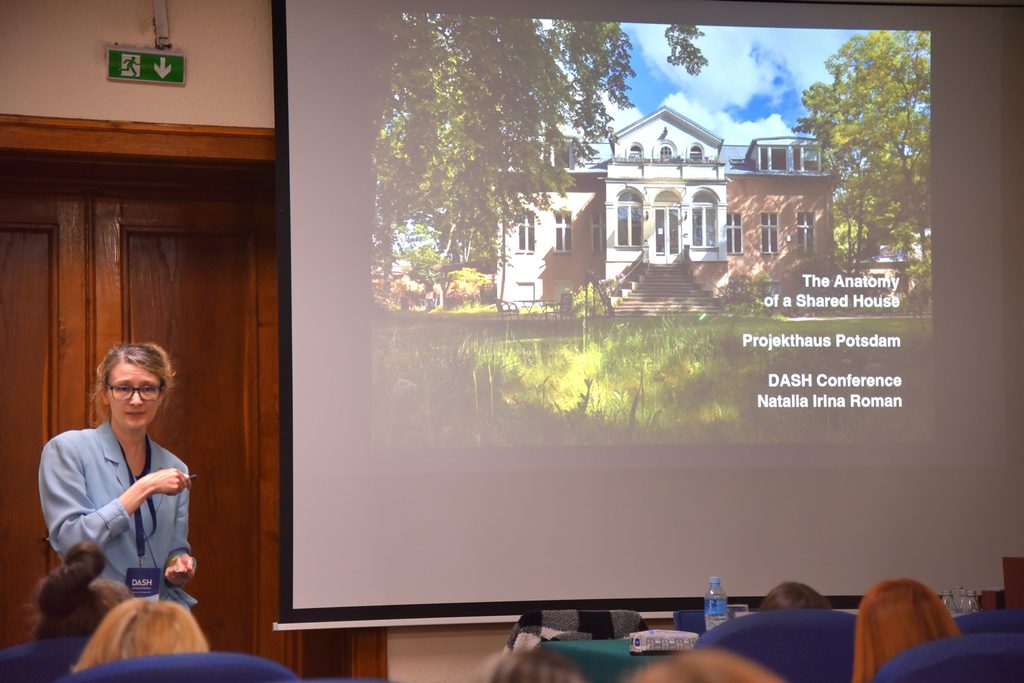
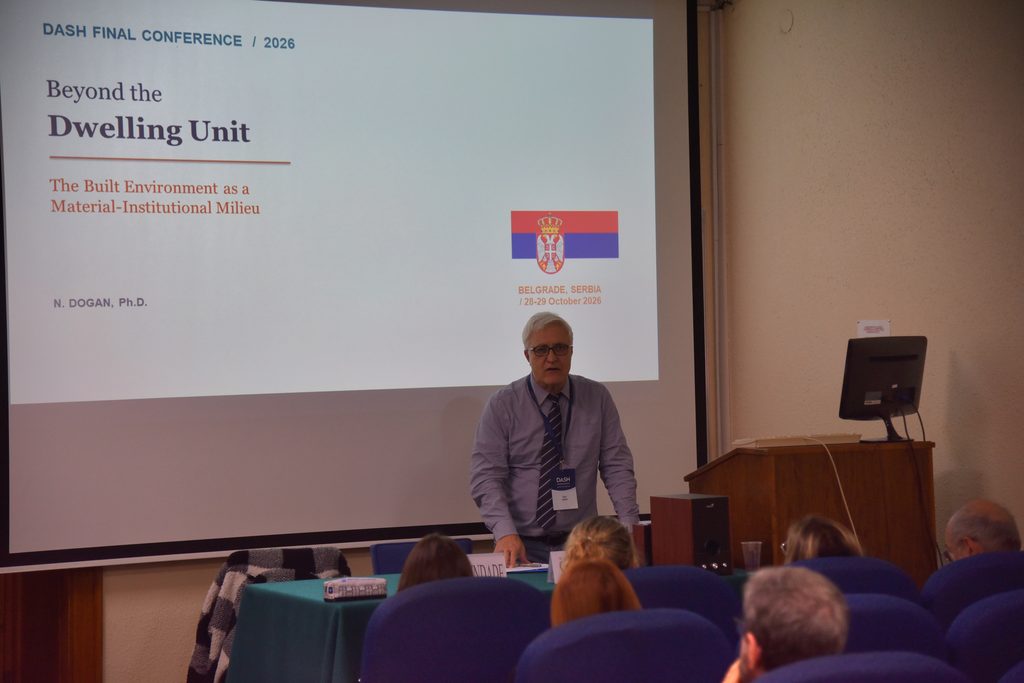
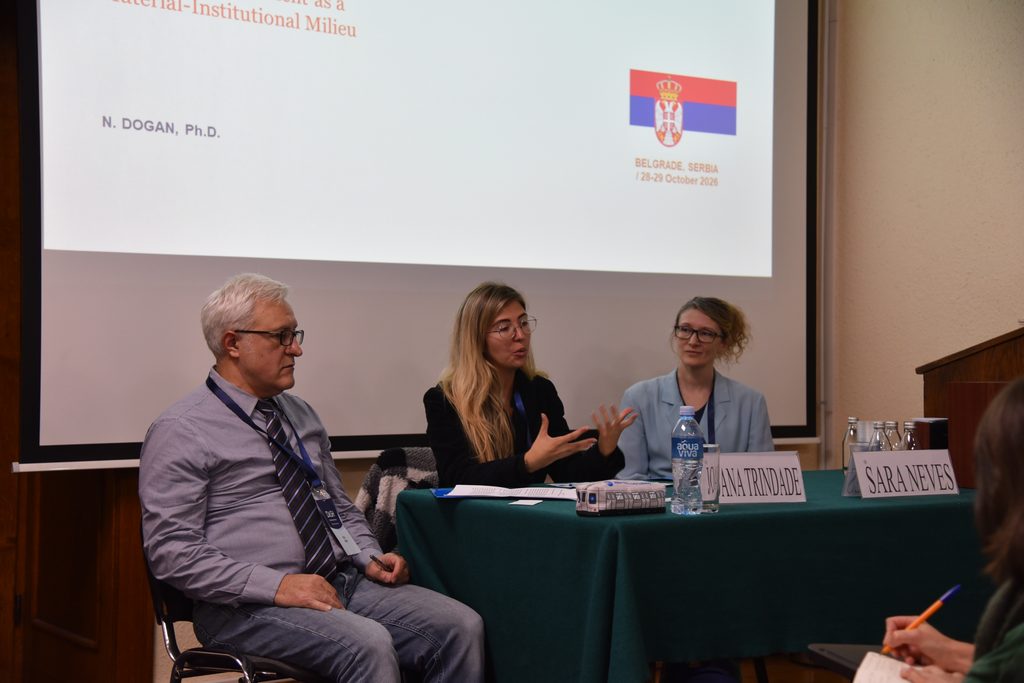
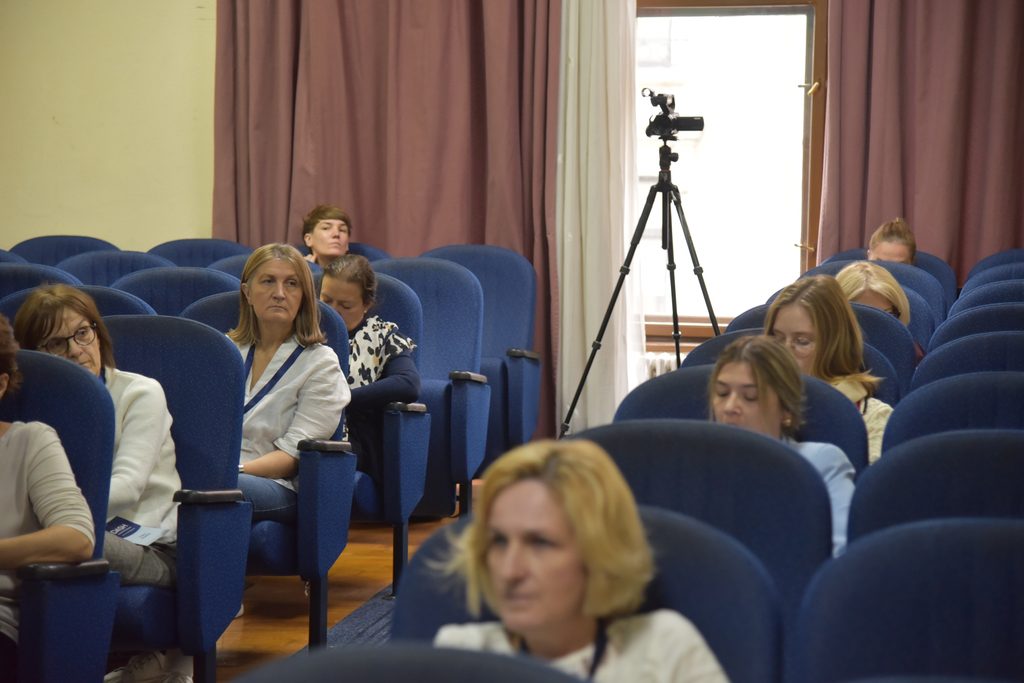
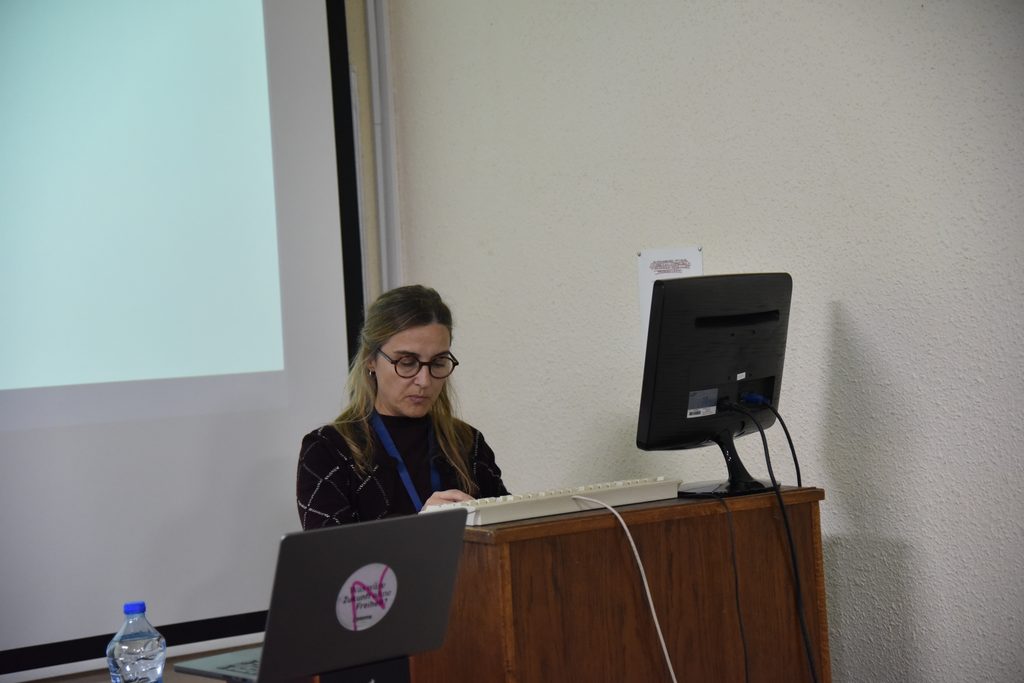
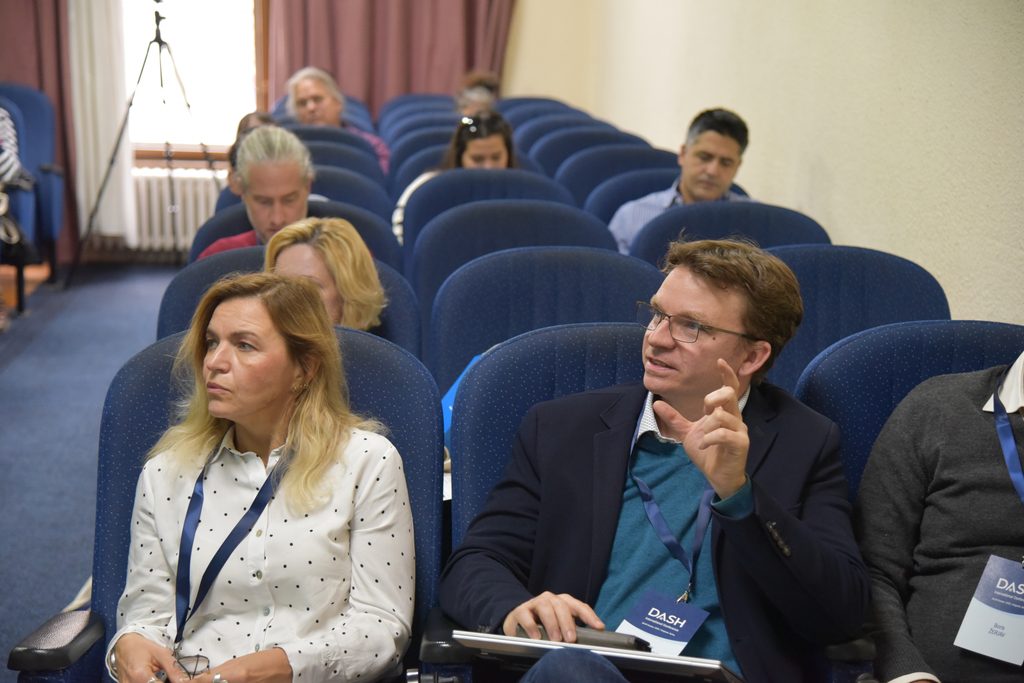
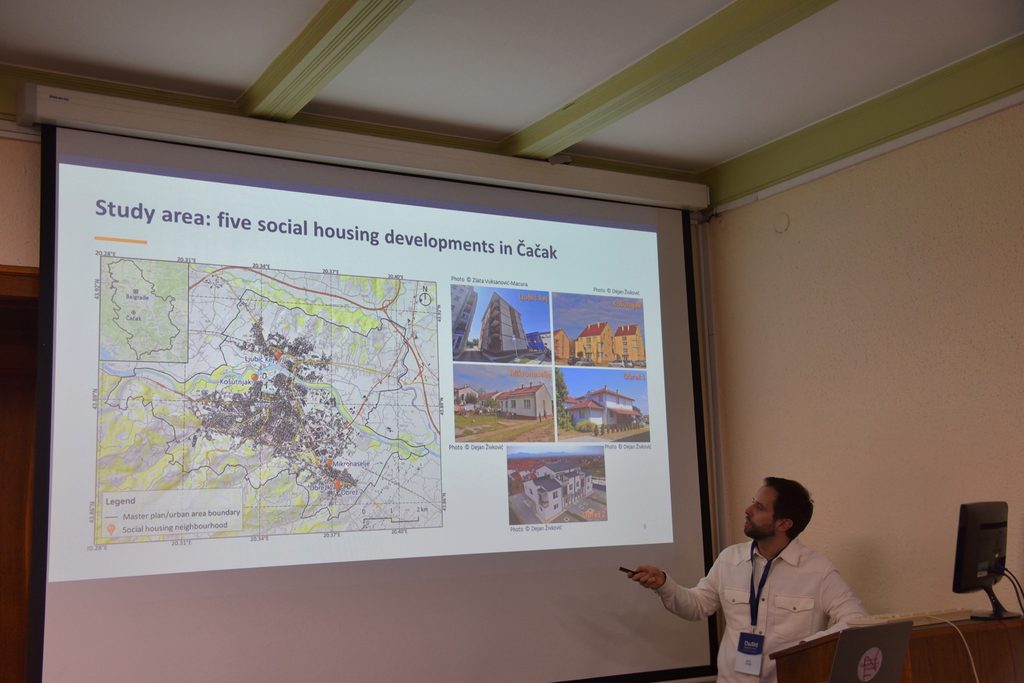
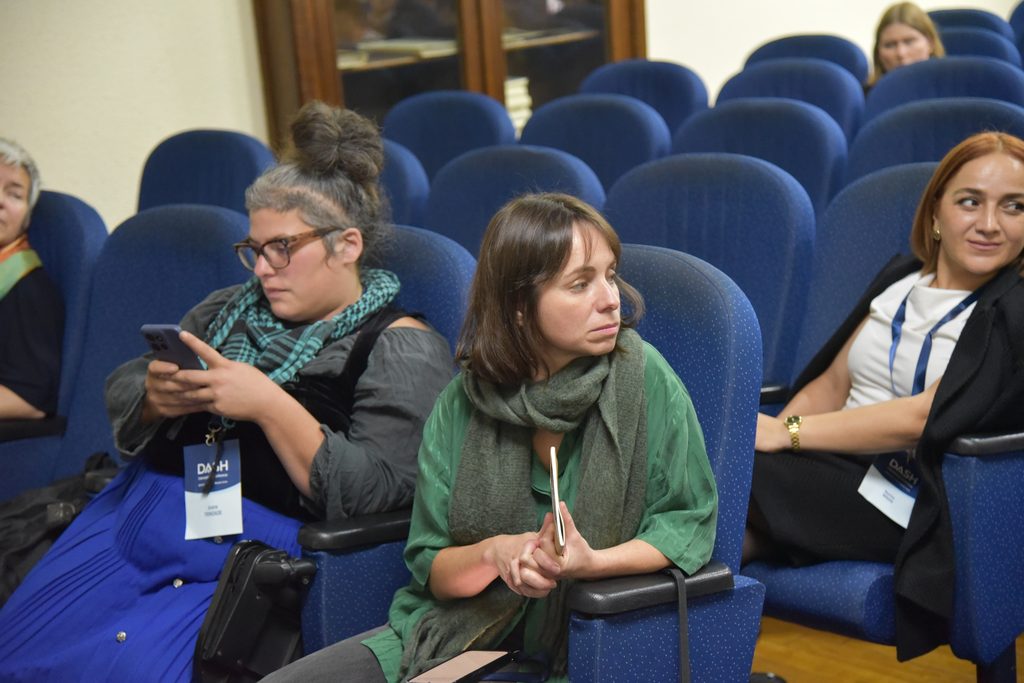
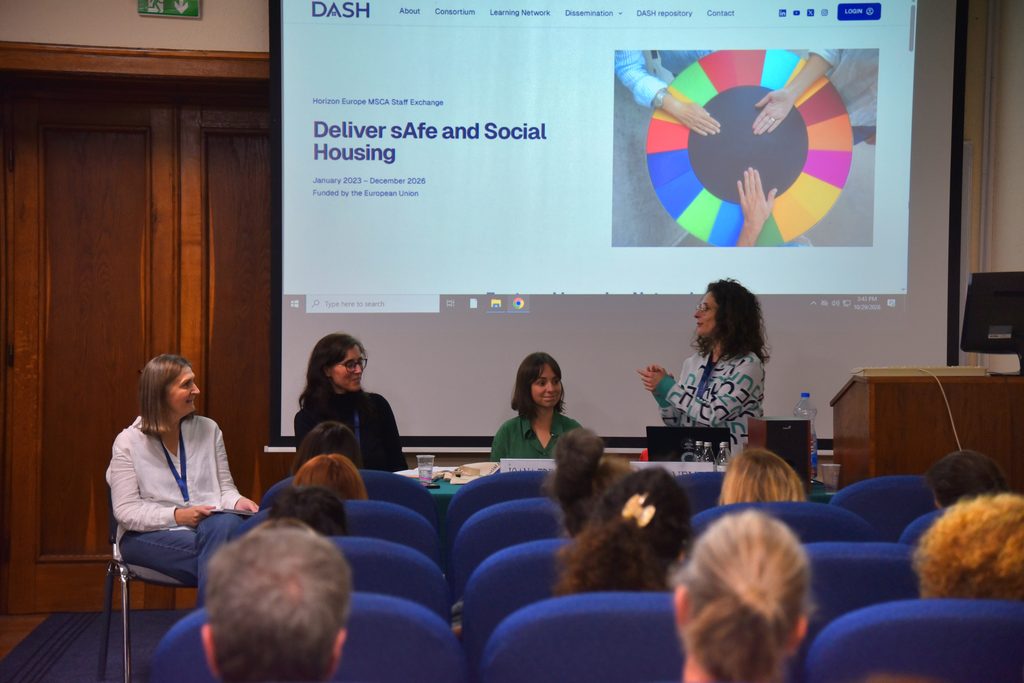
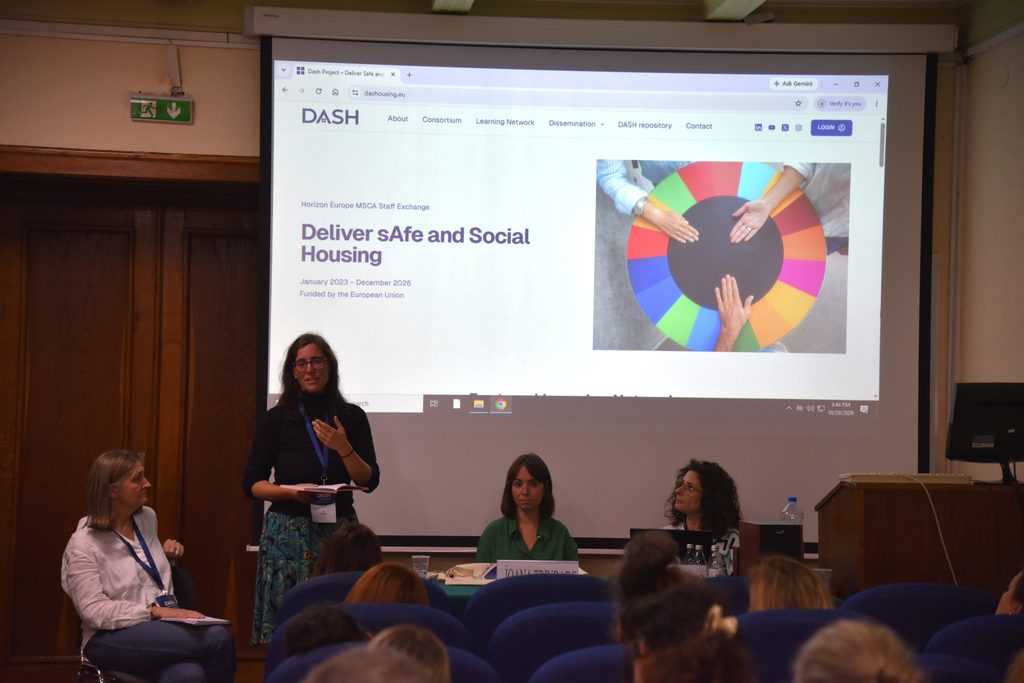
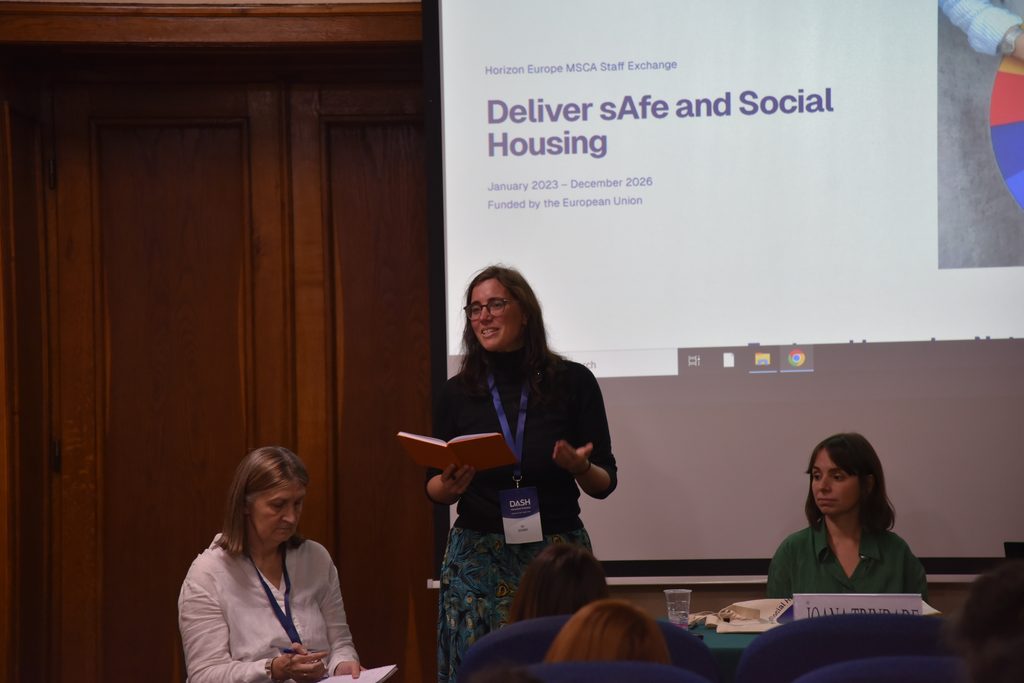
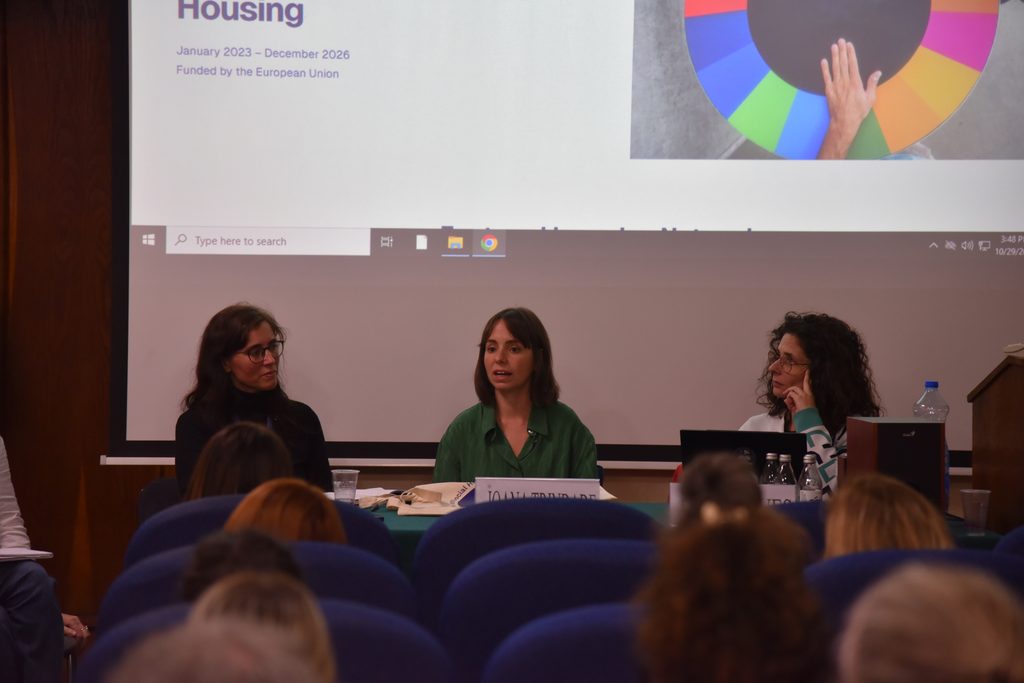
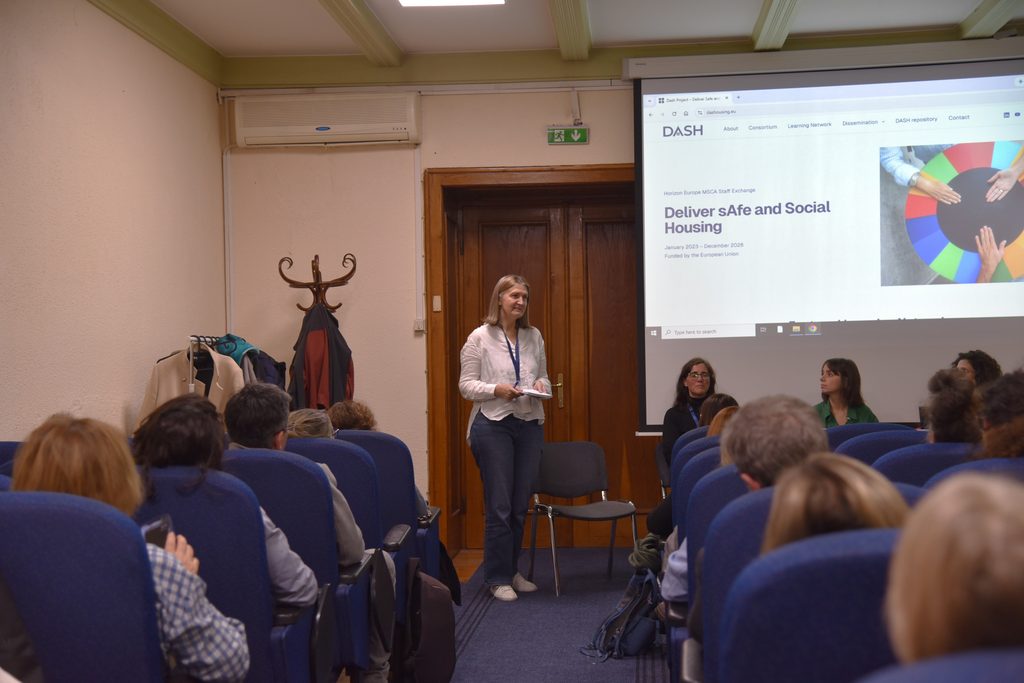
By bringing research findings into dialogue with professional and community experience, the conference created space for mutual learning and further collaboration. Its contributions provide a resource for continuing these exchanges beyond the DASH project and informing more responsive housing policies and practices.
The Book of Abstracts brings together the contributions and the conference programme.

