By João Gonçalves and Paula Gândara Reis
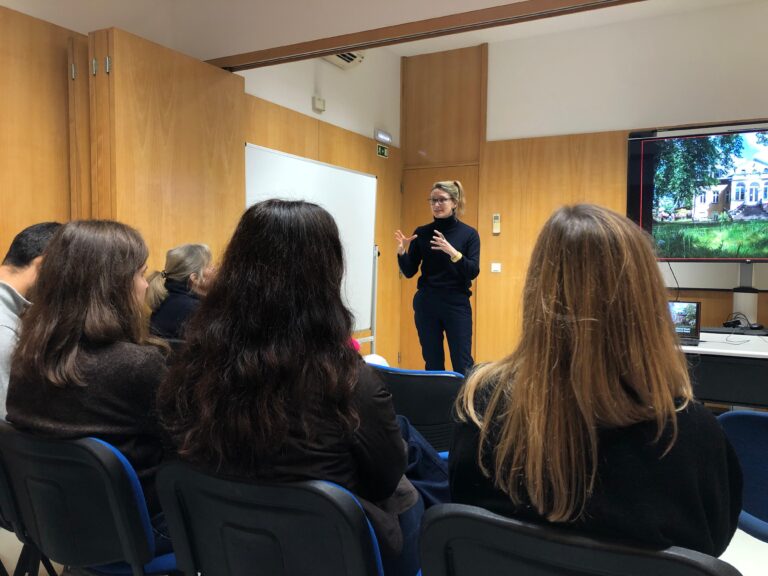
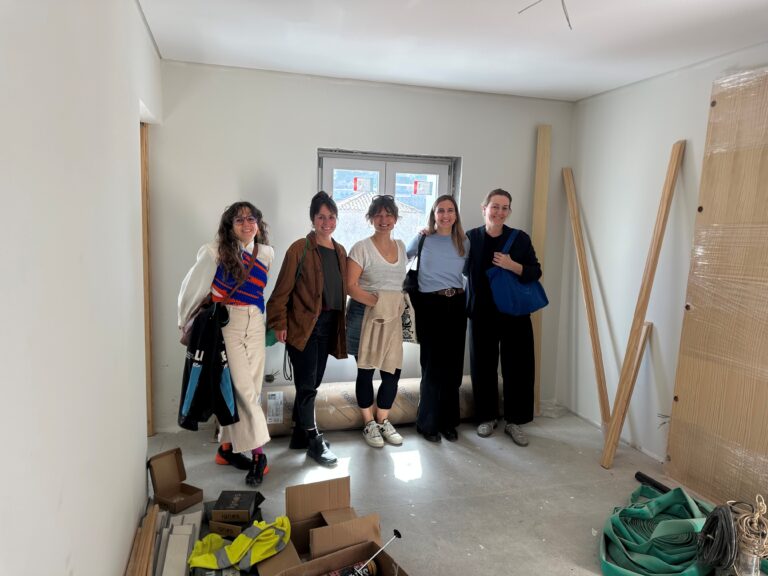
Between 2nd and 11th of February, members of the Gaiurb DASH team (i.e. João Gonçalves and Paula Gândara Reis) gathered in Stuttgart for one of their planned secondments.This consisted in a workshop, study visits and discussions on housing, planning, and collaborative urban development.
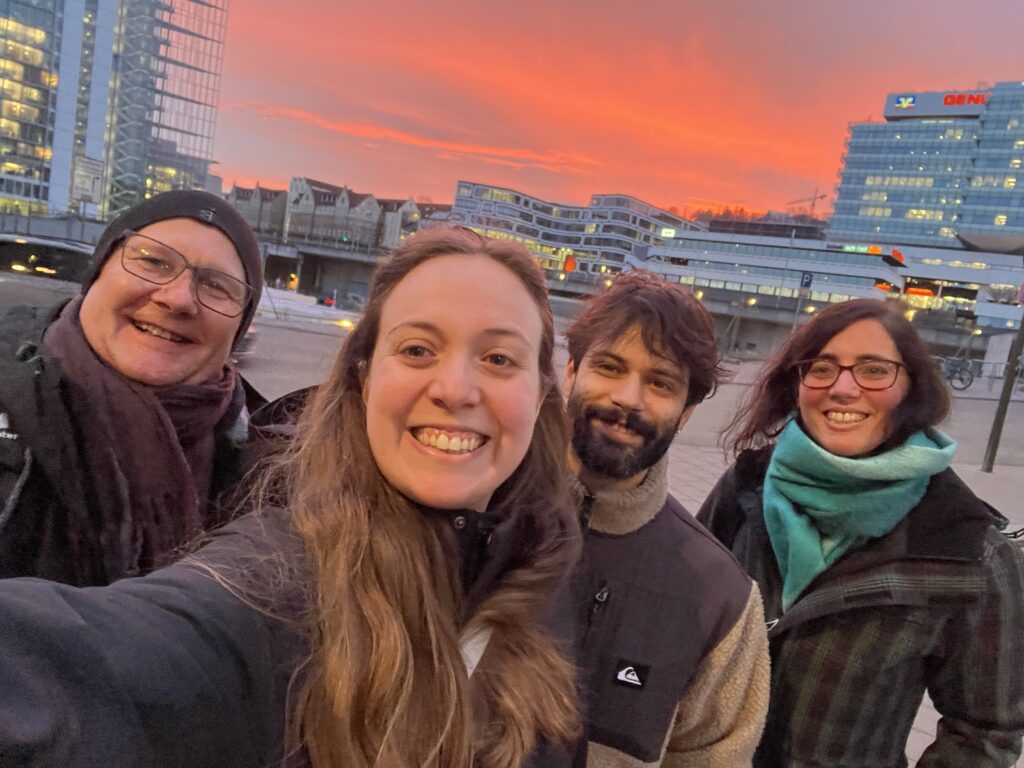
The DASH partners from the University of Stuttgart kindly extended an invitation to this team to participate in an interactive workshop on negotiating around a neighbourhood plan. The workshop was held on the 3rd of February and was led by Els Keunen and her students. Participants were assigned different stakeholder roles and were invited to negotiate according to their respective interests within a hypothetical scenario based on a real urban context. This exercise proved to be both engaging and productive, thereby creating valuable insights into participatory planning processes, conflict mediation, and the complexity of urban planning.
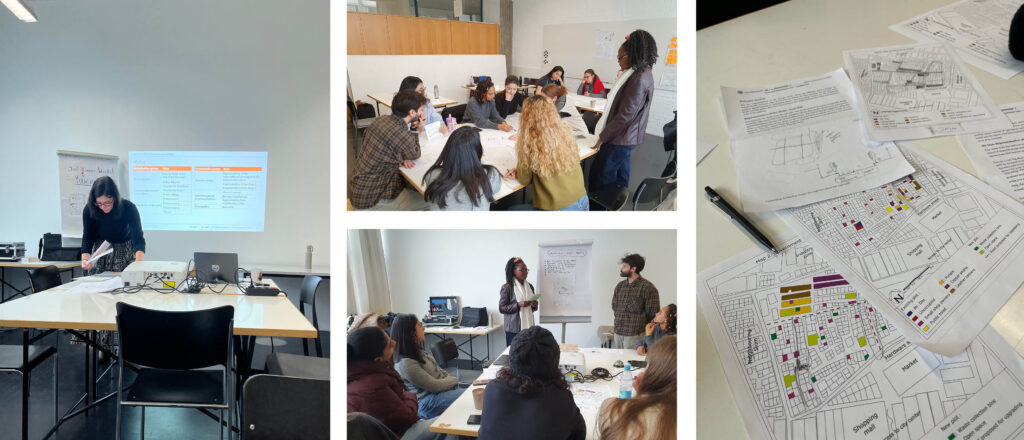
Picture credits: Gaiurb DASH Team, SI-IU, 2026
The secondment presented a valuable opportunity to pursue the ongoing “Common Ground” design studios, which were organised by the University of Stuttgart in collaboration with the Portuguese DASH partners, namely Gaiurb (Gaia) and Domus Social (Porto). Earlier in the academic year, a group of 37 students and lecturers from Stuttgart spent a week in Porto and Gaia exploring each of the cities affordable and social housing contexts. Therefore, during this secondment in Stuttgart, the Gaiurb DASH team attended the final student presentations of the studios on February the 5th, thereby bringing to a conclusion the exchange cycle initiated in Portugal
The presentations reflected on strategies and proposals for area-based interventions that had been developed throughout the semester, and they offered an opportunity for discussion between students, lecturers, and project partners.
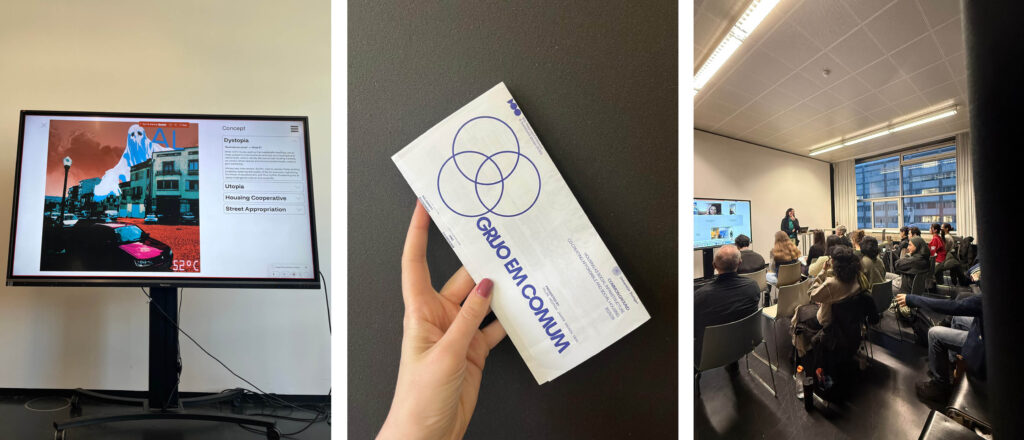
Picture credits: Gaiurb DASH Team,SI-IU, 2026
Throughout the week, members of the Gaiurb DASH team participated in a series of visits to various locations in Stuttgart. These visits were guided by local experts Rainer Goutrié, Shaharin Elham, and Els Keunen, who are affiliated with the University of Stuttgart. The city visit provided an opportunity to reflect on urban planning, social inclusion, housing development, and planning strategies. In this regard, the masterplan for Rosenstein and several housing neighbourhoods were of particular interest, including Quartier am Rotweg, Terrassenhaus Tapachstrasse, the Terrassenhaus Apollo in Stuttgart-Freiberg, and the Weissenhofsiedlung settlement.
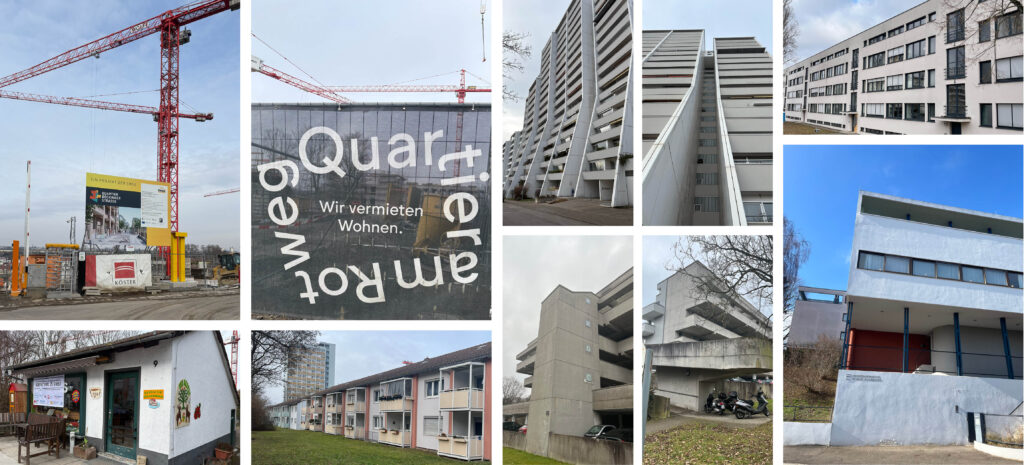
Picture credits: Gaiurb DASH Team, 2026
Picture credits: Gaiurb DASH Team, 2026
During these visits, the local team also introduced an alternative housing system, reflecting the consequences of the city’s post-war expansion and rapid urbanisation. The area under discussion is located in the northern part of Stuttgart. It is part of a broader urban landscape shaped by former military infrastructures and subsequent large-scale residential development linked to the city’s expansion. The housing environments under discussion are characterised by modular and prefabricated construction systems. These systems offer additional perspectives on such concepts as density, standardisation, and large-scale residential planning.
The visit also proved to be of significant added value to the secondment.While not originally included in the planned itinerary, it provided an important opportunity to understand the city from a different perspective, one shaped by post-war expansion, military legacies, and large-scale housing production. The opportunity to observe these environments in situ proved instrumental in providing a contextual framework for ongoing discussions concerning housing typologies, density, and social infrastructure. It also facilitated a more profound comprehension of the manner in which historical layers of urban planning decisions influence contemporary urban conditions in Stuttgart.
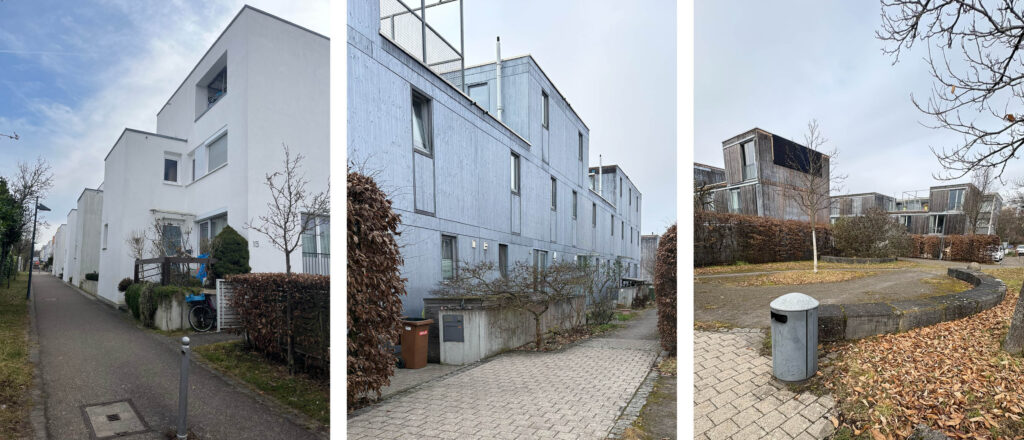
Picture credits: Gaiurb DASH Team, 2026
Adding to this list, the Gaiurb DASH team frequently passed by refugee accommodation facilities during their daily routine in Stuttgart. These spaces prompted further reflection on Germany’s refugee housing system, which involves several stages ranging from initial reception centres to longer-term collective accommodation. The observed typologies highlighted dormitory-like modular structures, often organised around shared facilities. This raised questions about transitional housing strategies, social integration and spatial conditions of temporary settlements.
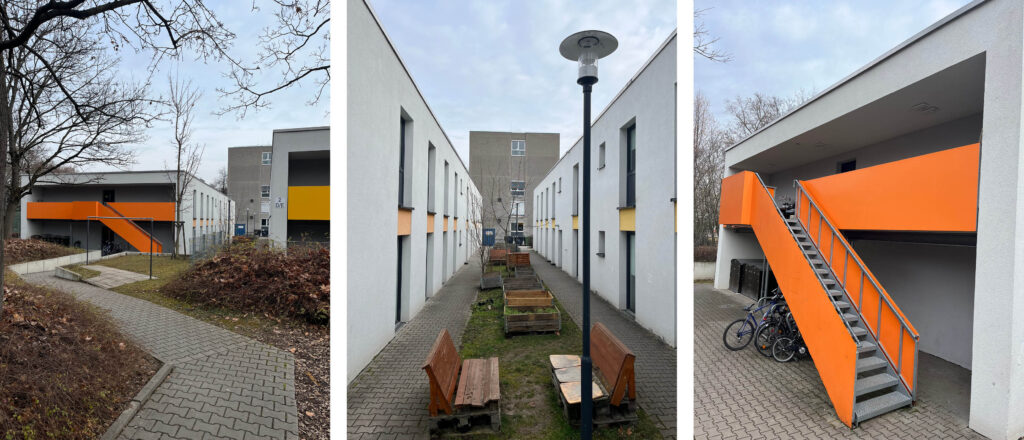
Picture credits: Gaiurb DASH Team, 2026
On the same line of inquiry, the Gaiurb DASH team took the opportunity to also visit Tübingen very shortly, where we explored innovative housing projects, including Haus am Park developed by Wolle+. This project stands out for its experimental approach to collective living, combining different household types and socio-economic backgrounds within a shared residential structure. It promotes flexible living arrangements and shared spaces that encourage social interaction while maintaining individual autonomy. The visit offered further perspectives on collaborative housing, sustainable urban development, and community-oriented architectural approaches within the German context.
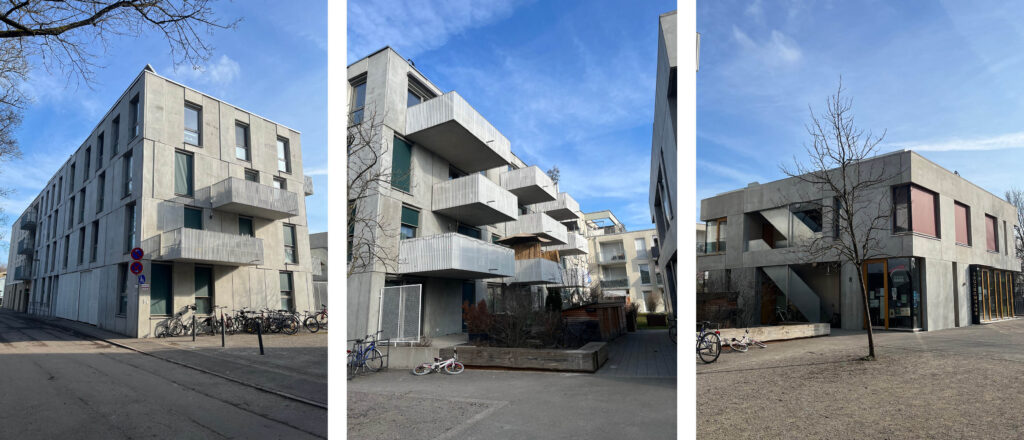
Picture credits: Gaiurb DASH Team, 2026
Overall, this secondment provided an important opportunity for knowledge sharing between researchers, practitioners, and students, strengthening the collaboration among DASH partners and facilitating reflection on contemporary housing challenges and planning practices in various European contexts. The experience was also greatly enriched by the generosity and support of the University of Stuttgart team. Their openness, guidance and willingness to share knowledge during the visits and discussions created a particularly welcoming and collaborative environment. Their engagement played a key role in strengthening collaboration between partners and offering valuable insights into Stuttgart’s social, spatial, and planning realities.
For more information about the ‘Common Ground’ training school in Porto and Gaia, see the full article here: DASH – Common Ground Training School in Porto & Gaia