By Luisa Rossini
During my secondment between Potsdam and Berlin, I explored the Mietshäuser Syndikat model and other community-led housing initiatives. I investigated their approaches to decommodification, collective ownership, affordability and self-management. I also reflected on their potential scalability and relationship with public institutions.
Over the last few years, I have spent several months on a secondment between Potsdam and Berlin. During this time, the people managing the INWOLE housing project in Potsdam welcomed me, and I had the opportunity to learn more about their housing model and the social and cultural activities developed within the project.
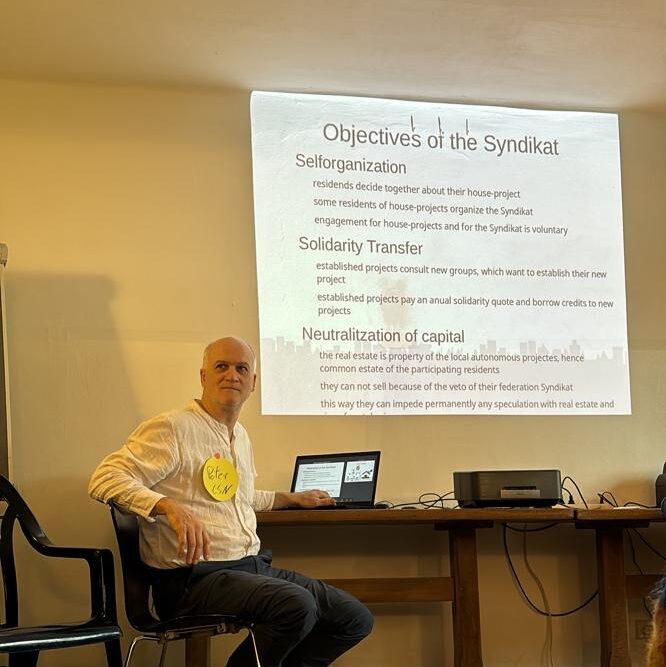
During several conversations with our partner, Petar Atanackovic, I was introduced to the Mietshäuser Syndikat (MHS) model for creating community-led housing. This model is based on collective ownership, self-management, and the strong principle of housing decommodification. One of the Mietshäuser Syndikat’s most innovative features is its legal architecture, which incorporates protection against privatisation directly into the ownership structure. Rather than establishing each housing project as a registered cooperative, the model uses a German limited-liability company (Gesellschaft mit beschränkter Haftung, GmbH). Each property is owned by a separate “house GmbH” with two shareholders: the residents’ association (Hausverein), which holds 51 per cent of the capital, and the Mietshäuser Syndikat, which holds the remaining 49 per cent. The residents autonomously manage the project and make decisions concerning rents, renovations, financing and the selection of new tenants. However, both shareholders have an equal vote on fundamental matters affecting the long-term status of the property, such as its sale, conversion into individual condominiums or changes to the relevant company statutes. The Syndikat therefore holds a narrowly defined veto that prevents the residents, including a large future majority, from privatising or selling the building for speculative gain. This arrangement combines local self-management with the permanent removal of housing from the speculative market, while separating residents’ rights to use and manage the property from individual ownership of its increasing value. The GmbH is particularly suitable for this purpose because it allows the same two-partner structure to be reproduced in each autonomous housing project, limits the financial risks of one project to its own legal entity and avoids the mandatory membership and statutory auditing requirements associated with registered cooperatives, although it remains subject to standard accounting and reporting obligations. Housing cooperatives can also provide affordable and non-speculative housing, but the Syndikat considers the GmbH more effective for institutionalising a permanent external veto while preserving the organisational and financial autonomy of each house project.
Another important dimension of the model is the solidarity network formed among projects. The Syndikat provides free advice and technical support to groups interested in establishing similar legal structures for community-led, right-to-use housing projects. The MHS assists these groups in navigating financial, legal, and organizational issues and helps them evaluate the feasibility of their projects. Older, more financially stable projects contribute to the development of new initiatives, generating a broader ecosystem of mutual support and collective learning. The model is based on the collective acquisition of land or buildings through long-term loans, which are progressively repaid through residents’ monthly contributions. Subsequent to the repayment of the debt, residents maintain their monthly economic contribution to the project, thereby facilitating the financing of new housing project initiatives within the MHS network. It is important to note that no individual resident acquires private ownership of the property. Instead, the monthly contribution operates in a manner analogous to rent, although it is designed to maintain a relatively stable trajectory over time and ensure long-term affordability. This is achieved through its alignment with maintenance costs and inflation adjustments, rather than through the influence of speculative market revaluation.
Concurrently, the research soon revealed significant tensions and limitations in the analysis of this model. On the one hand, the Mietshäuser Syndikat has already been extensively researched. Therefore, our contribution to the discussion on social innovation models in Germany, within the framework of the DASH exchange, needed to move beyond describing the model itself. On the other hand, the Syndikat does not prioritize the establishment of institutional partnerships with public authorities. Instead, its strategic approach places significant emphasis on autonomous acquisition processes and self-managed governance. Since most projects based on this model depend on purchasing land or buildings on the market, their affordability may vary significantly depending on local real estate conditions, financing capacities, and acquisition costs.
These reflections subsequently prompted a discussion on the further development of our research contribution. The initial concept under consideration was a comparison of various forms of affordable
and decommodified housing, like social or non-equity cooperatives and other community led housing models. The objective was to analyse how some projects might be formally defined as “social” or “collaborative” without ensuring affordability or anti-speculative outcomes in practice. This reflection became particularly evident after visiting the Spreefeld Genossenschaft housing cooperative in Berlin. Although the cooperative presents itself as a social project, partly because it includes a limited number of housing units for people with disabilities, the model does not necessarily ensure affordability or long-term decommodification. Cooperative members may acquire ownership rights in the property, while no community land trust or comparable mechanism is in place to separate the value of the land from that of the buildings and prevent future speculative appreciation. This raises questions about whether cooperatives of this kind should be granted access to formerly publicly owned land at favourable prices when they do not provide robust guarantees of long-term affordability and decommodification.
This comparison opened broader questions concerning the varying degrees of decommodification, accessibility, and public accountability inherent within contemporary cooperative and community-led housing models. The study also raised significant questions regarding the relationship between autonomy, public support, and long-term affordability in the development of socially innovative housing alternatives. During my secondment, I also had the opportunity to participate twice in the Community Space Network (CSN) meetings. These meetings allowed me to learn more about the constellation of collaborative housing models present across Europe and beyond.
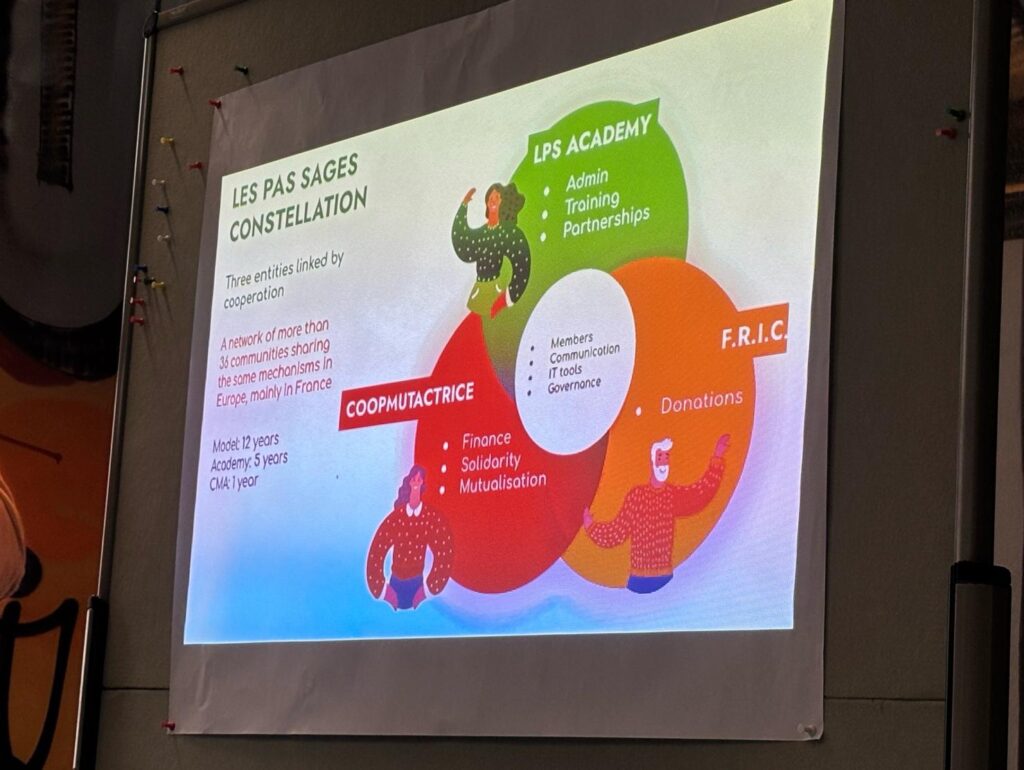
Some of these initiatives presented models similar to the Mietshäuser Syndikat, such as the French group Les Pas-sages. A notable distinction of Les Pas-sages is its provision of paid supervision services, which are administered by professionalised mentors. Additionally, Les Pas-sages places a pronounced emphasis on eco-villages and rural communities.
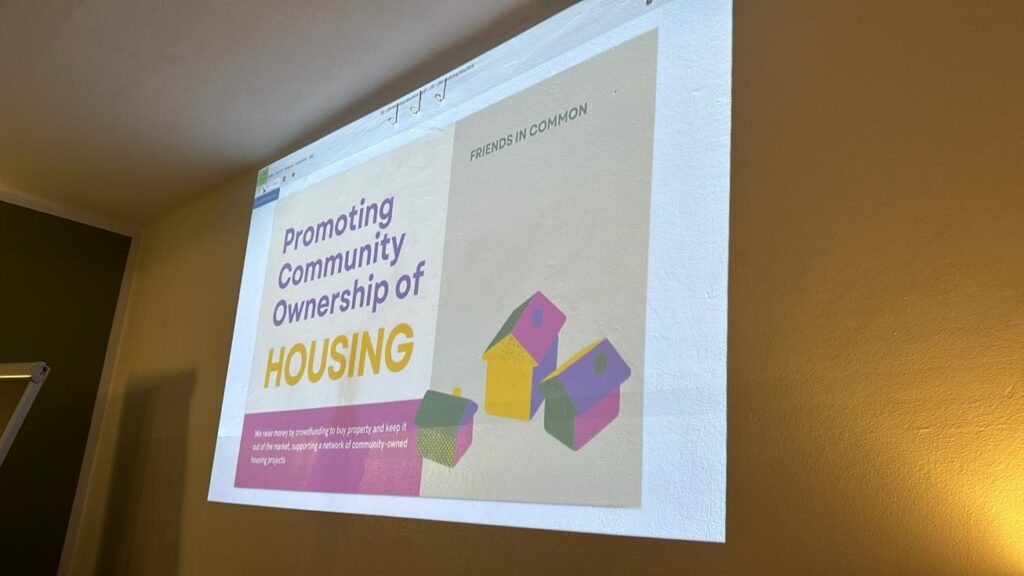
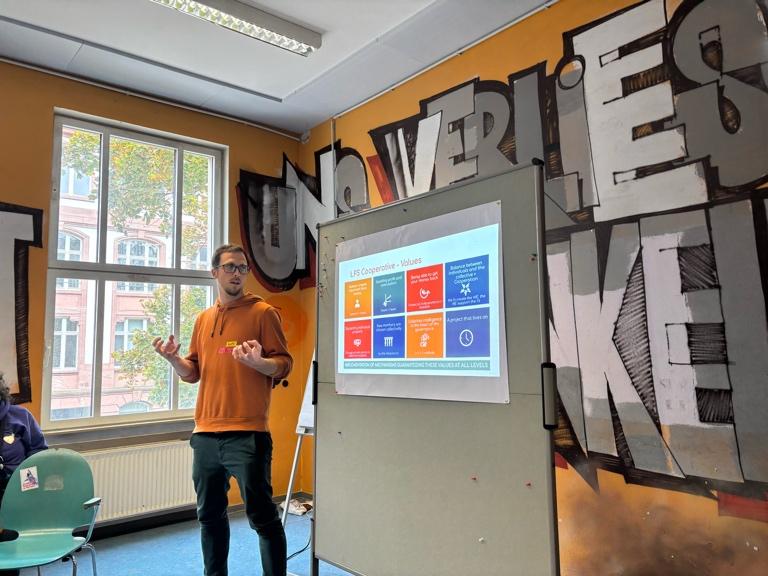
These meetings facilitated the establishment of connections with more people involved in the MHS, enabling my participation in their annual meeting in Frankfurt in October 2025. As a result of this experience, I became acquainted with numerous projects that are part of the Syndikat network. Despite the presence of commonalities in their ownership and financing structures, these entities exhibit notable disparities in their internal organizational frameworks, social compositions, and political focus. Some projects are more affordable than others; some primarily comprise nuclear families, whereas others are oriented toward queer communities; some are situated in urban settings while others are rural; and some combine collective living with workshops, social activities, or the provision of affordable spaces for commercial or cultural initiatives.
From this perspective, we initiated the consideration of concentrating on specific projects as case studies, with the objective of enhancing our comprehension of their differences and elucidating their organizational models. This approach has the potential to contribute to the development of replicable examples.
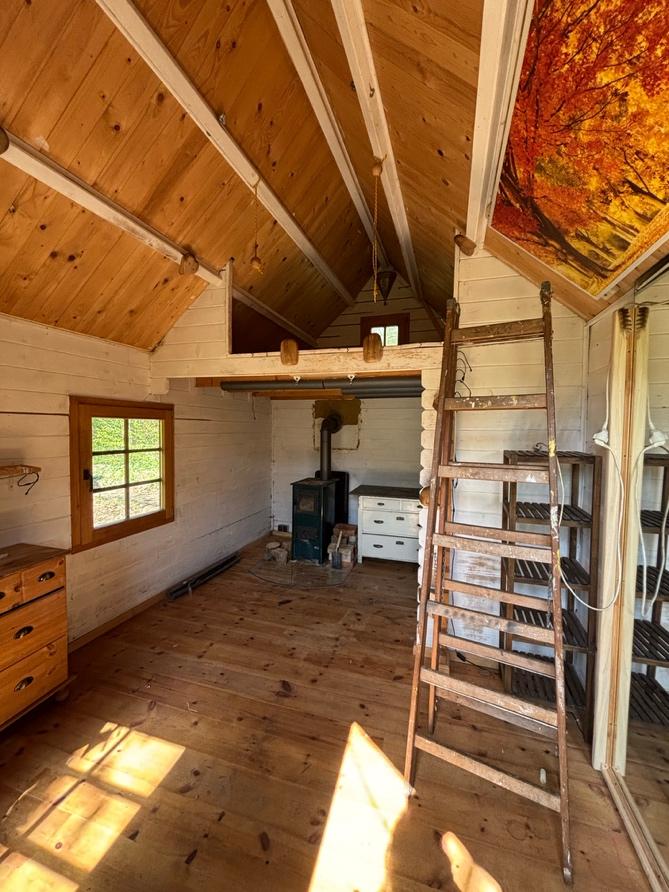
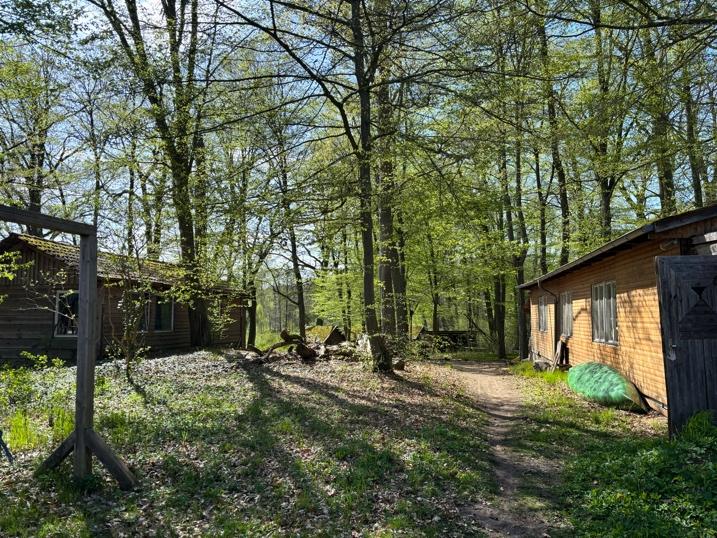
In addition to the INWOLE housing project, another interesting example inspired by the Mietshäuser Syndikat model is the Löwenherz Community project. This emerging intentional and ecological community integrates collective housing, self-management, and environmental stewardship. Located in Oberhavel, approximately 40 km north of Berlin, it lies in a partly farming and partly forested area.
Drawing on the legal framework developed by the Syndikat, the project is creating a dual governance structure. This structure consists of an association that is responsible for the daily collective life of the community and a legal entity that holds the property with anti-privatization safeguards. At the same time, Löwenherz seeks to expand this model through a stronger emphasis on regenerative living practices, interspecies care, and communal relations with the land, positioning itself as a “living laboratory” for affordable and sustainable collective living. The project also illustrates how the Syndikat model is continuously being adapted and reinterpreted by new generations of community-led housing initiatives.
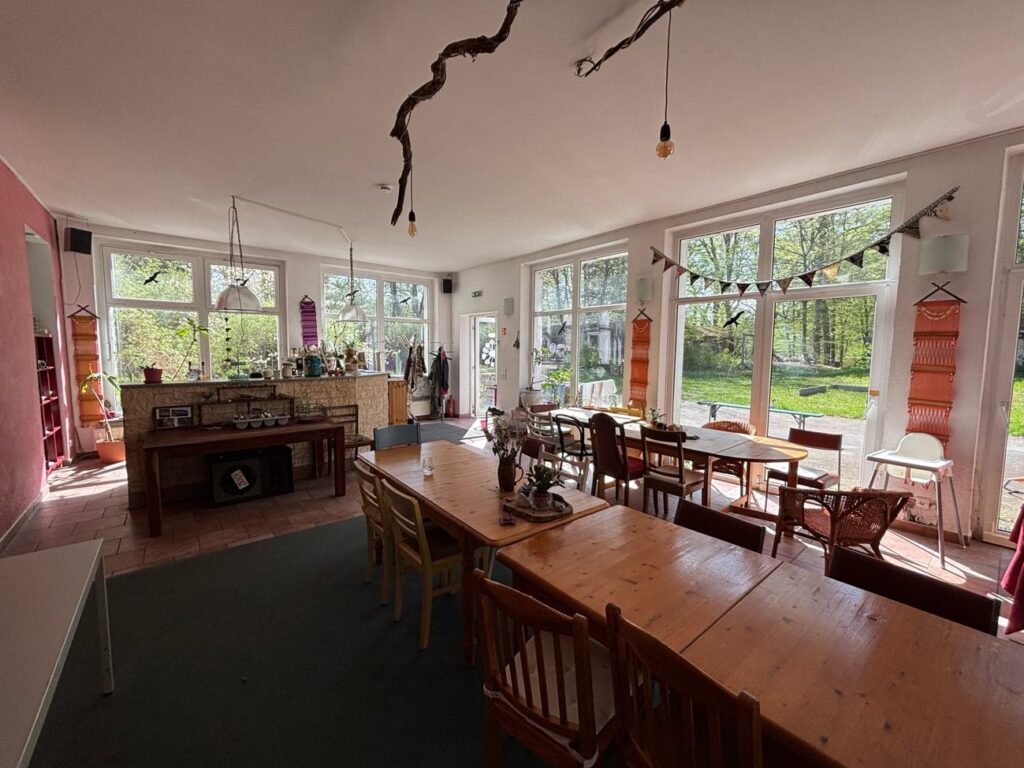
It is noteworthy that the constituents of this community are presently examining the Les Pas-sages model as well, in order to understand which framework may more effectively align with their needs and long-term vision.
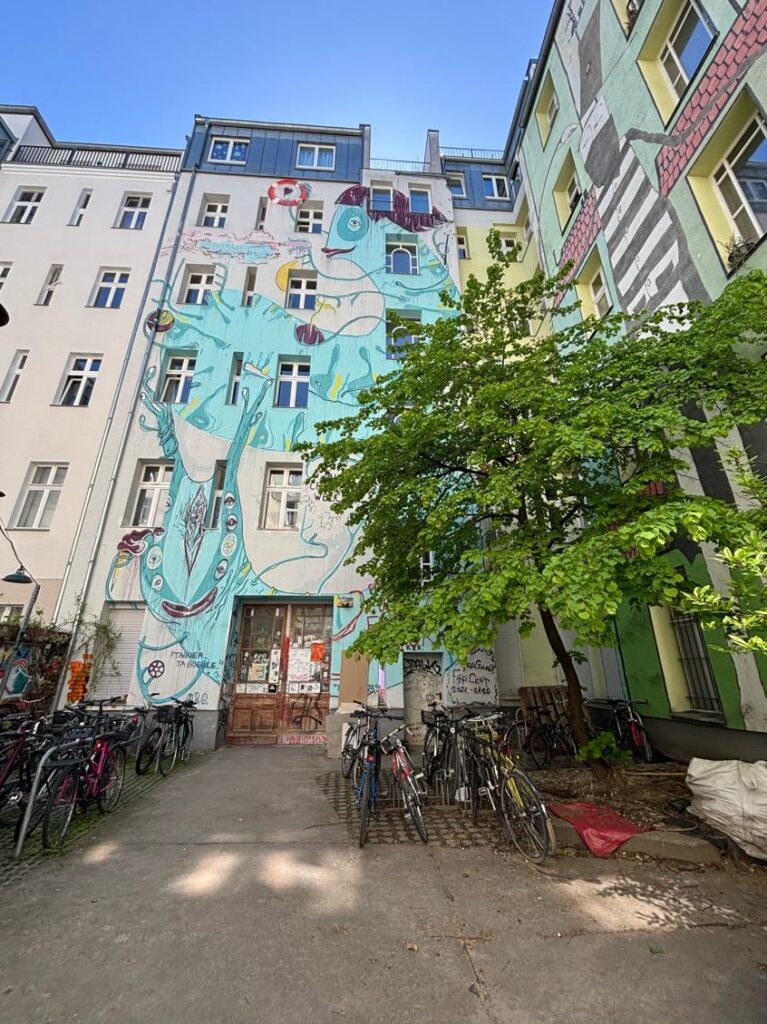
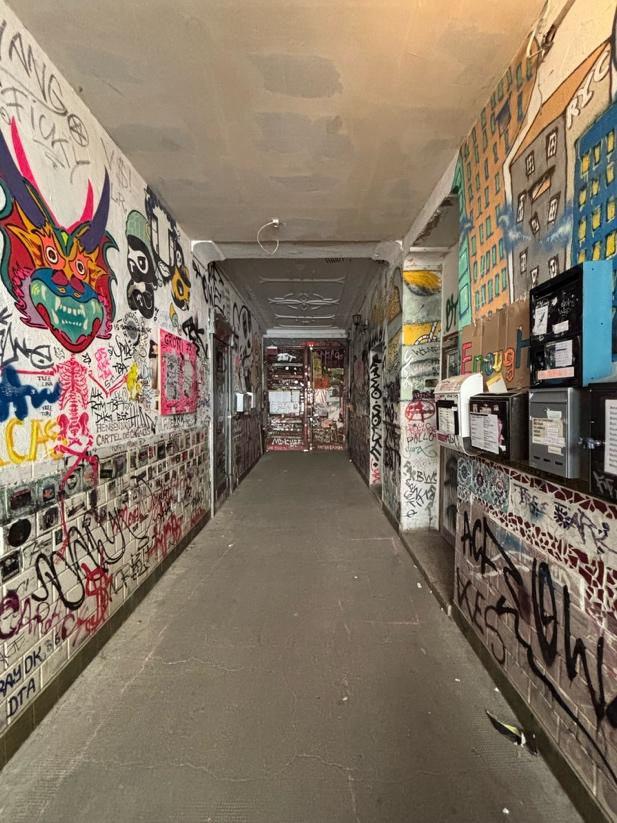
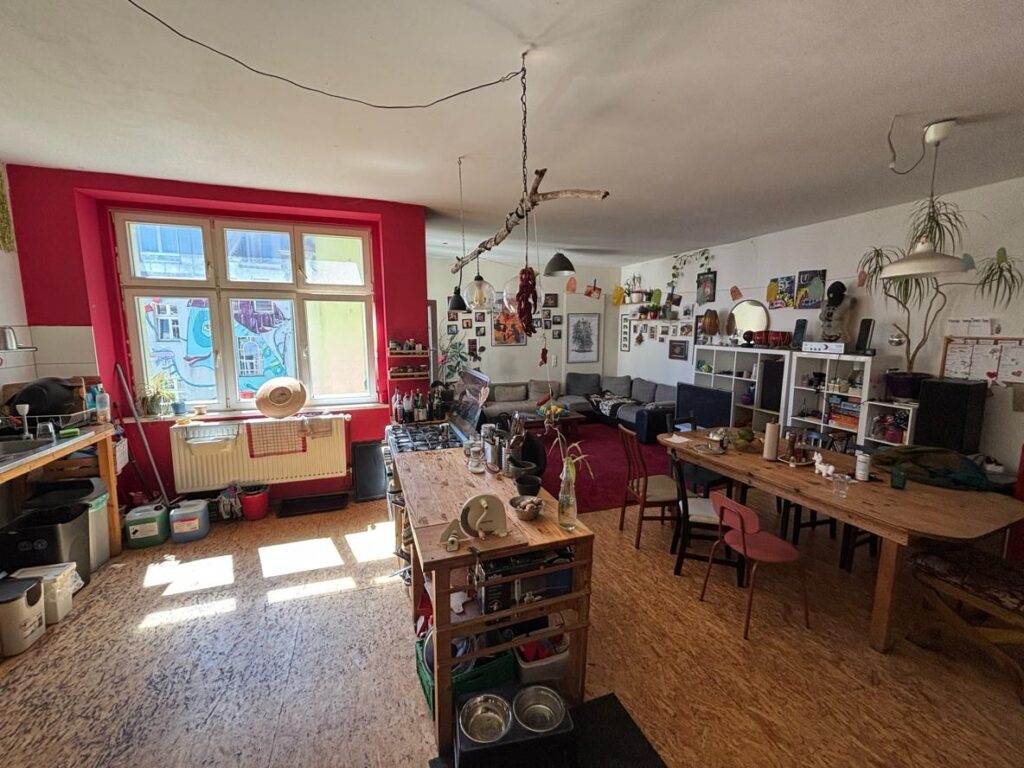
A third noteworthy example is a housing project located near Boxhagener Platz in Berlin. Originally established as a squat, the project was later legalized for rental use, eventually purchased collectively, and integrated into the Mietshäuser Syndikat network. Today, the project hosts both long-term residents, comprising nuclear families among others, and a more international queer community whose members tend to stay for shorter periods.
The residents are organized into “WG” which is a group of residents who share a communal kitchen while maintaining their private rooms. The residents purchase food collectively and share it. Each of the three buildings contains multiple WG units. The model is based on solidarity and shared expenses, thereby enabling residents to subsist on limited financial resources.
Notwithstanding the escalating levels of gentrification and displacement that the city of Berlin has experienced over the past two decades, residents of the aforementioned project are still able to access housing at relatively affordable prices, particularly when taking into consideration the property’s central location. In this sense, some of these housing projects have succeeded in creating small “oases” of affordability within the city by securing property outside the speculative market dynamics.
Yet, the number of such projects remains very limited compared to the overall housing stock of Berlin. Consequently, a pivotal question that has guided our research is concerned with the scalability and replicability of these models, as well as their opportunities and limitations in contributing to broader forms of safe, affordable, and socially innovative housing provision.