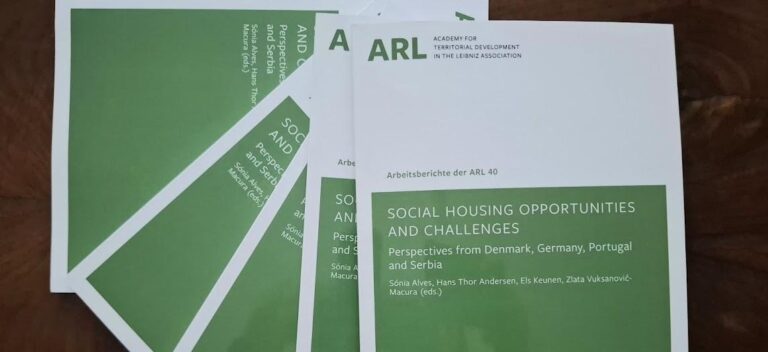
By Ivana Momić
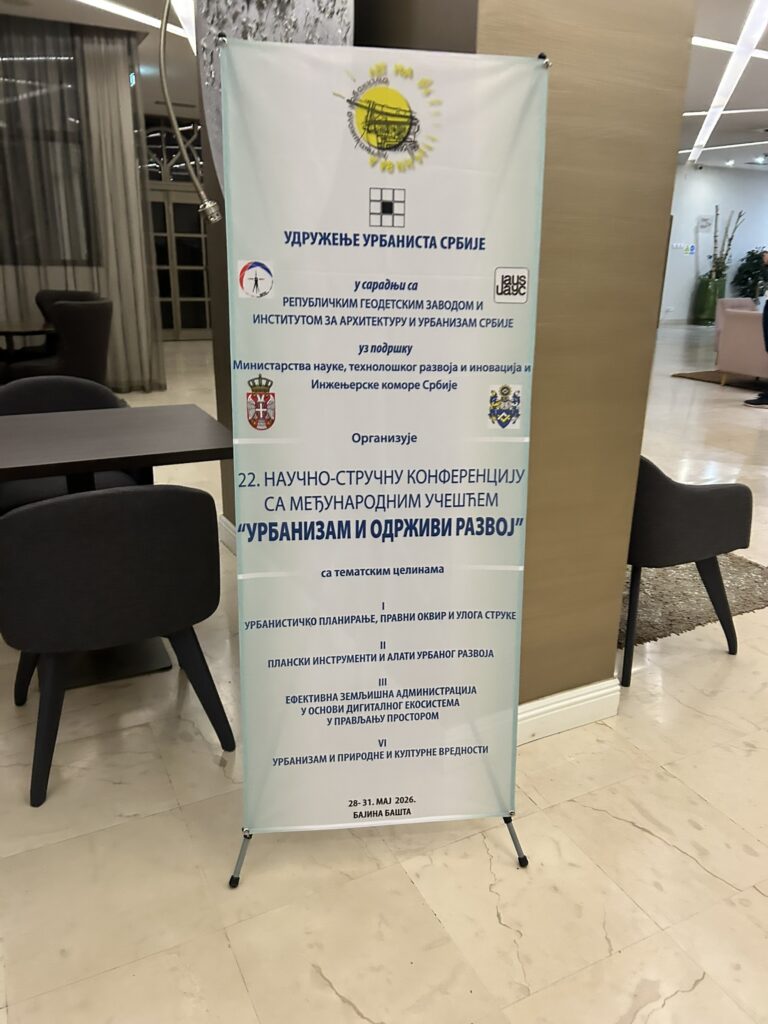
We are pleased to inform you that the 22nd annual Scientific-Professional Conference, “Urbanism and Sustainable Development,” has successfully concluded. It took place from May 28 to 30 in Bajina Bašta, a small town in western Serbia.
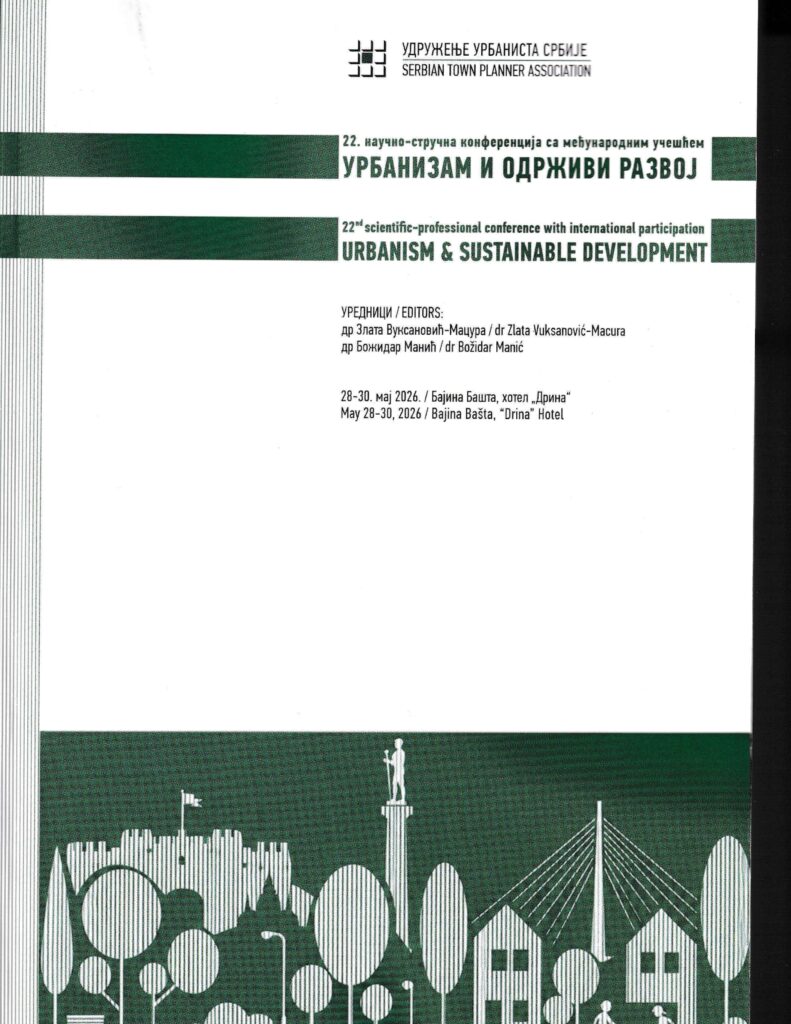
Notable contributions were made by DASH team members Ivana Momić, Zlata Vuksanović-Macura, and Aleksandar Jevtić, who were involved in organising the conference, presenting papers and participating in discussions.
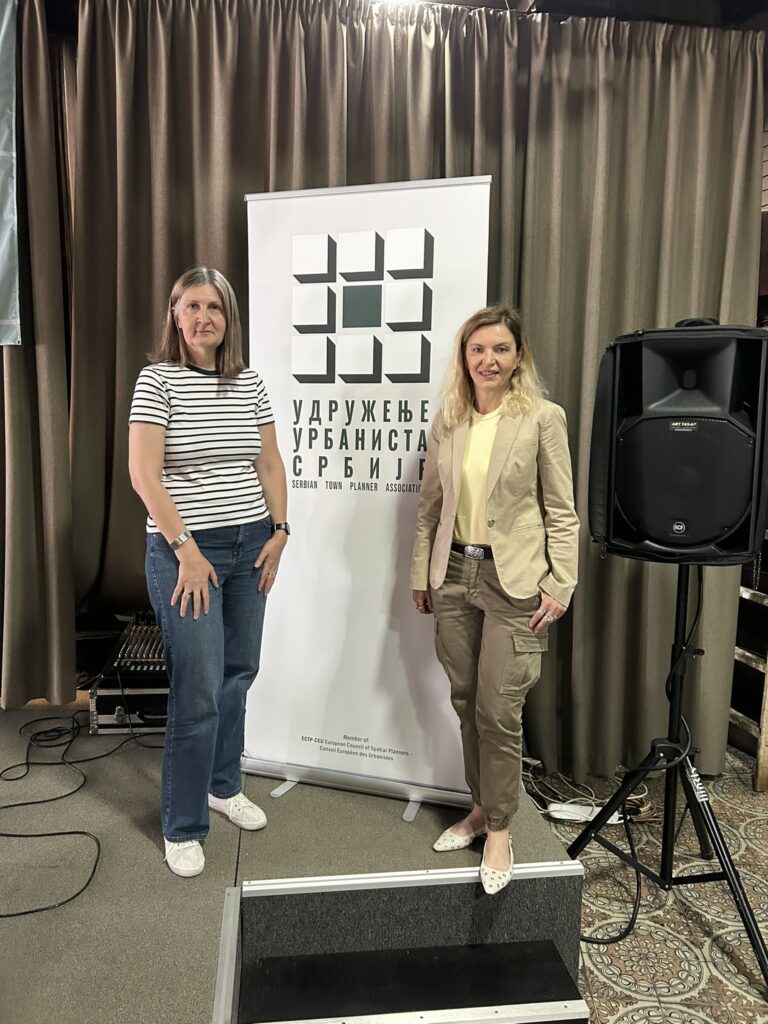
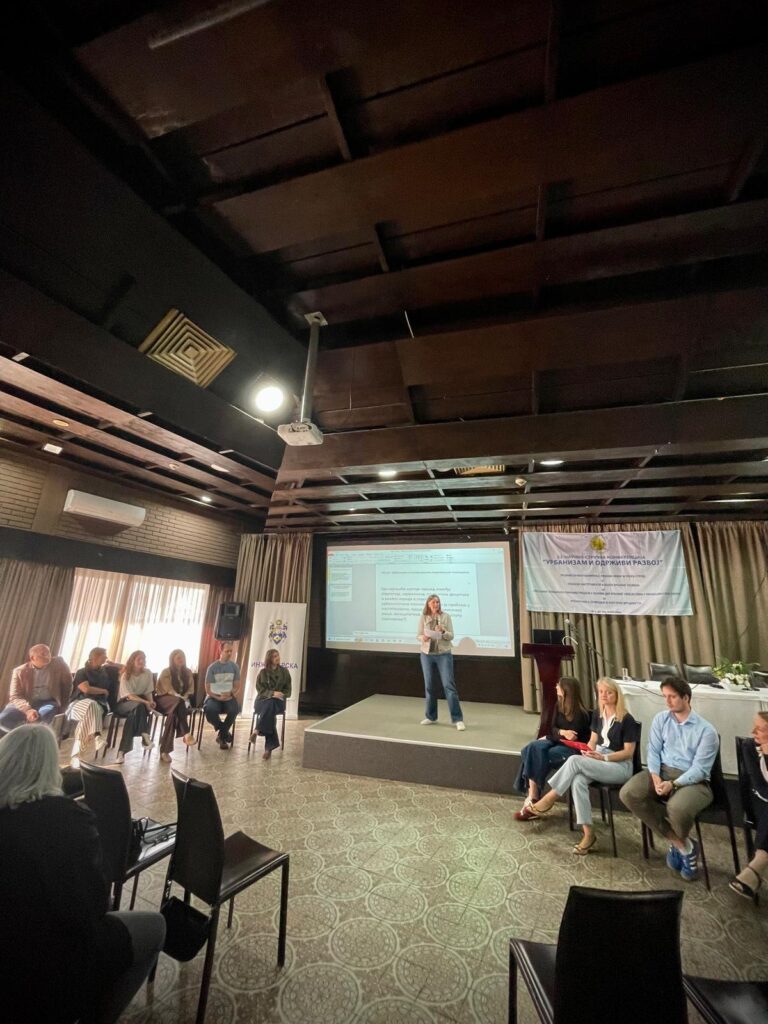
The Serbian Urban Planners Association (SUPA) organised the conference, with the support of the Republic Geodetic Authority of the Republic of Serbia and the Serbian Chamber of Engineers. The event attracted over 200 participants from Serbia, Republika Srpska (Bosnia and Herzegovina), Croatia, Poland, and Israel.
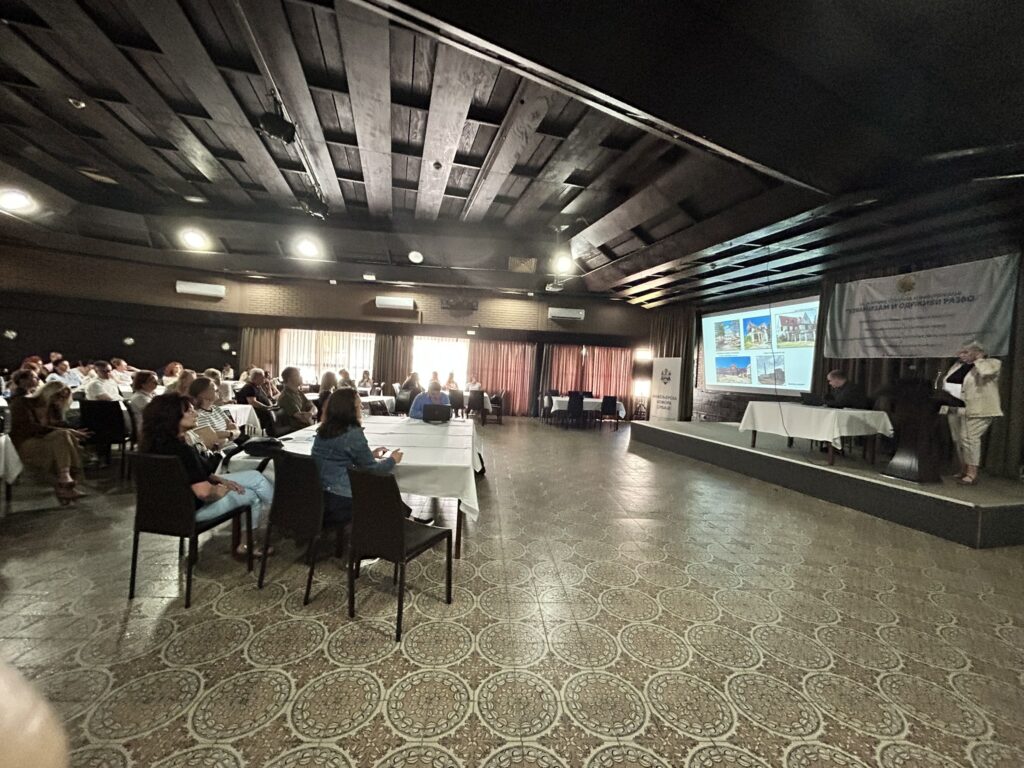
A total of 52 papers were presented at the conference, the highest number to date, covering topics such as urban planning, real estate cadastre, affordable housing, and other aspects of sustainable urban development.
Compared to previous years, the conference introduced an innovative format with panel discussions in some sessions. This enabled participants to exchange experiences, opinions, and ideas, providing an excellent opportunity for knowledge sharing.
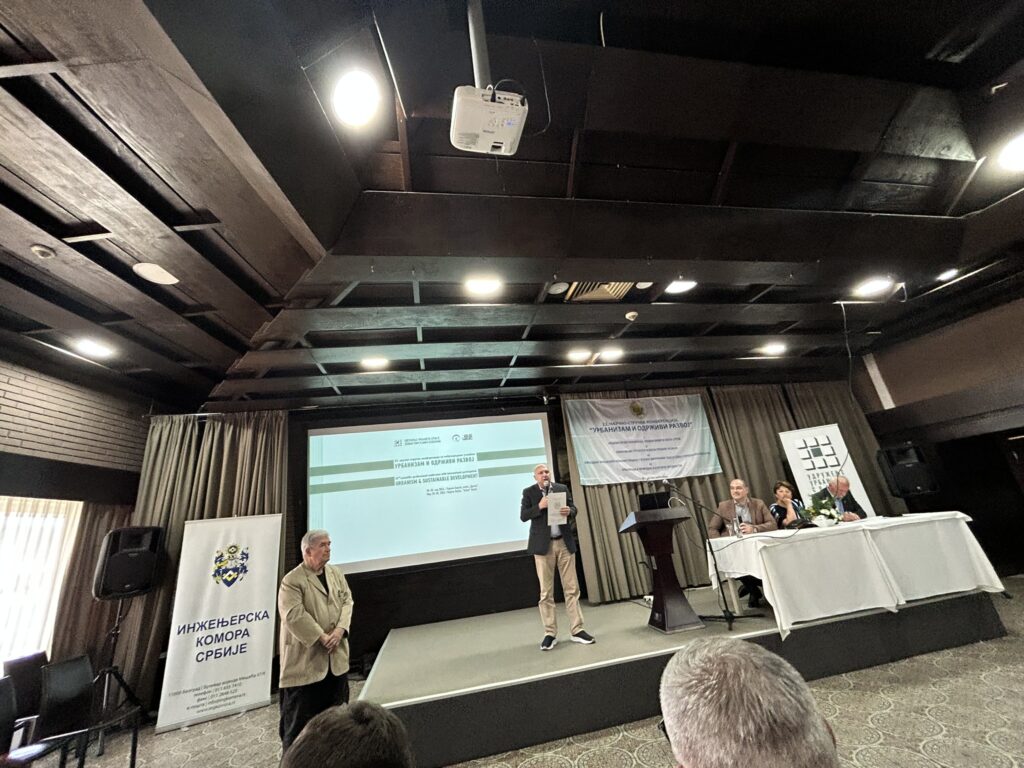
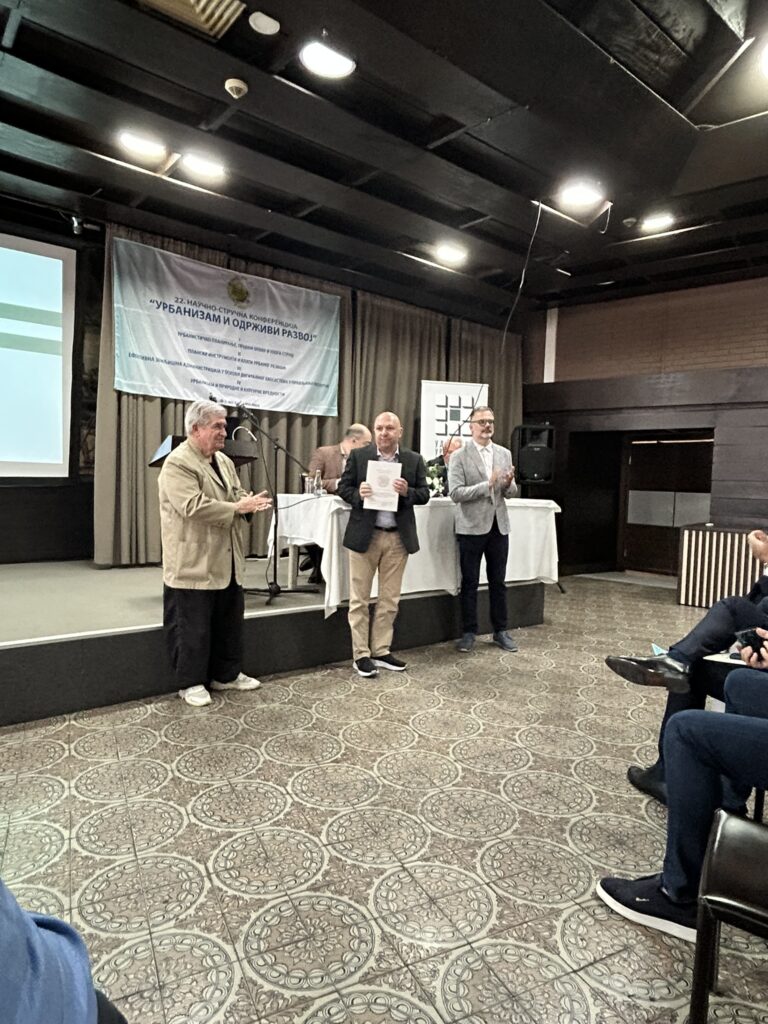
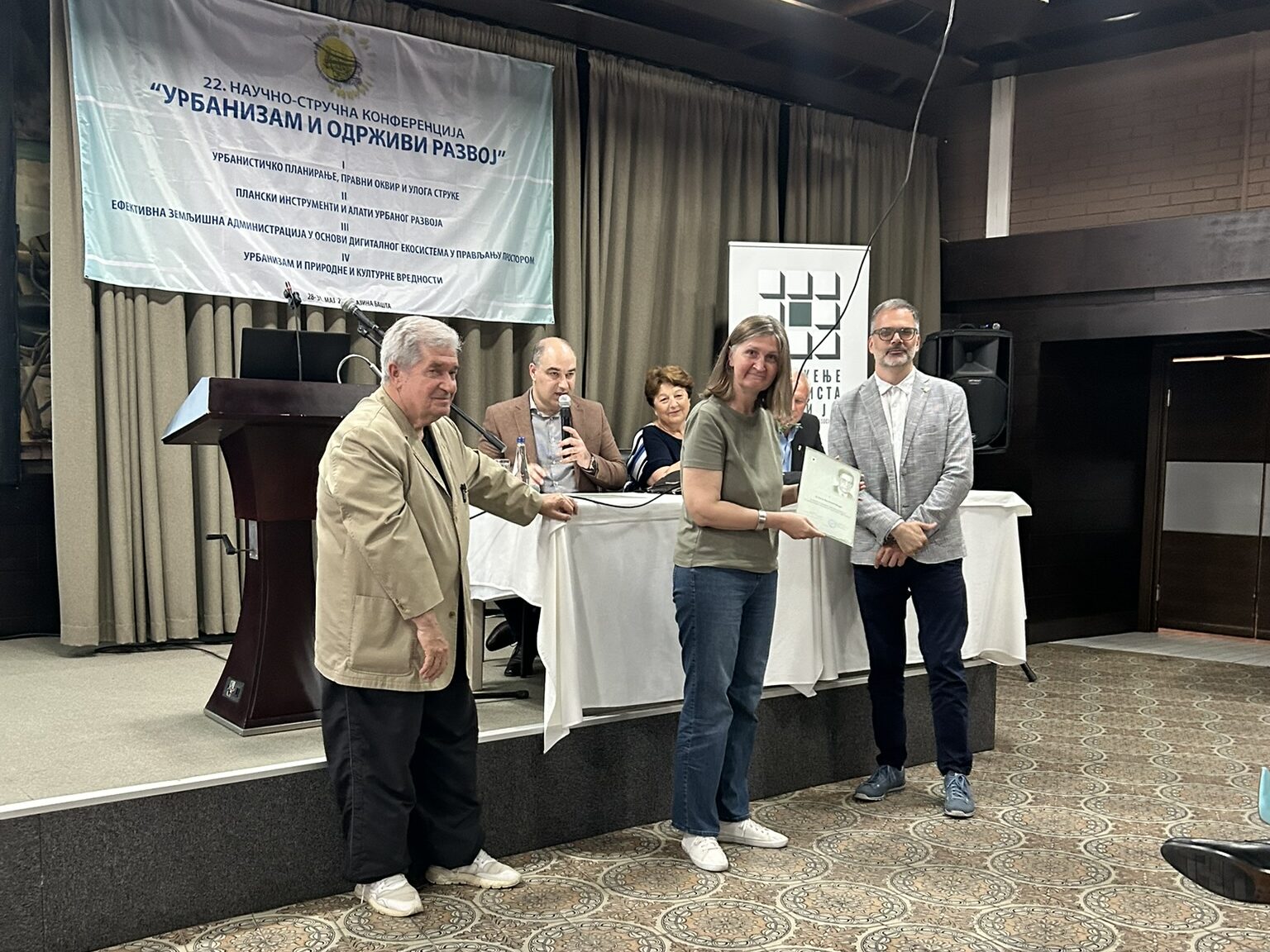
The accompanying programme included the Regular Assembly of the Serbian Urban Planners Association (SUPA) and an awards ceremony. During the ceremony, former SUPA President, Aleksandar Jevtić, received the Lifetime Achievement Award.
Thematic Sessions of the Conference:
1. Urban Planning, Legal Framework, and the Role of the Profession
This session explored the relationship between the existing legislative framework for spatial planning and the actual role of the urban planners’ profession in decision-making processes. The session also addressed the professional responsibility of urban planners in interpreting and applying regulations, and opportunities for proactive action within normative constraints. The session included practical experiences and challenges in planning processes, as well as discussions on the profession’s role in protecting the public interest and improving the quality of both built and natural environments.
2. Planning Instruments and Tools for Urban Development
This session examined the role of various planning instruments and tools that complement urban plans, enabling more efficient and effective implementation.
Topics included experiences in developing and implementing public policy documents in spatial planning, including strategies, manuals, and guidelines, as well as good practices. There was a particular emphasis on using Geographic Information Systems (GIS), digital geospatial and statistical databases, and high-quality geodetic data to analyse, plan, and manage spatial development. The session also addressed urban land consolidation and related experiences and challenges in Serbia.
3. Urban Planning and Natural and Cultural Values
This session examined urban planning in relation to natural values as important factors of spatial development.
Participants discussed ways to integrate conservation and development objectives into planning documents, the role of urban planners in implementing protection regimes, and how to balance different interests. The unit covered the landscape and urban dimensions of cultural heritage, and provided practical examples in which heritage assets and natural resources were recognised as development potential.
DASH Contributions
As part of the conference programme, Zlata Vuksanović-Macura presented the paper “Between Norms and Practice: How Do Urban Planners Assess Housing Needs?” The paper is co-authored with DASH project partners Els Keunen and Marco Allegra.
The paper examines how housing needs are assessed in small and medium-sized European cities, with a focus on the relationship between normative frameworks, urban planning practices, and local housing policies. The study’s main objective was to determine how urban planners assess housing needs and the extent to which these assessments are translated into concrete policies and planning instruments. A comparative approach was applied across four cities: Aalborg (Denmark), Tübingen (Germany), Braga (Portugal), and Čačak (Serbia). The methodology combined semi-structured interviews with local urban planners, a comparative analysis of four housing systems, and a survey of urban planners in Serbia with 20 respondents.
The key finding is that the main challenge lies in both assessing housing needs and translating those assessments into effective policies. Denmark and, to a lesser extent, Germany, have formalised systems characterised by strict regulations, integrated data systems, and a direct link between assessments, policies, and planning instruments. In contrast, Serbia and, partly, Portugal’s ad hoc systems face challenges such as fragmented data, limited planning instruments, and a weaker influence of assessments on decision-making processes.
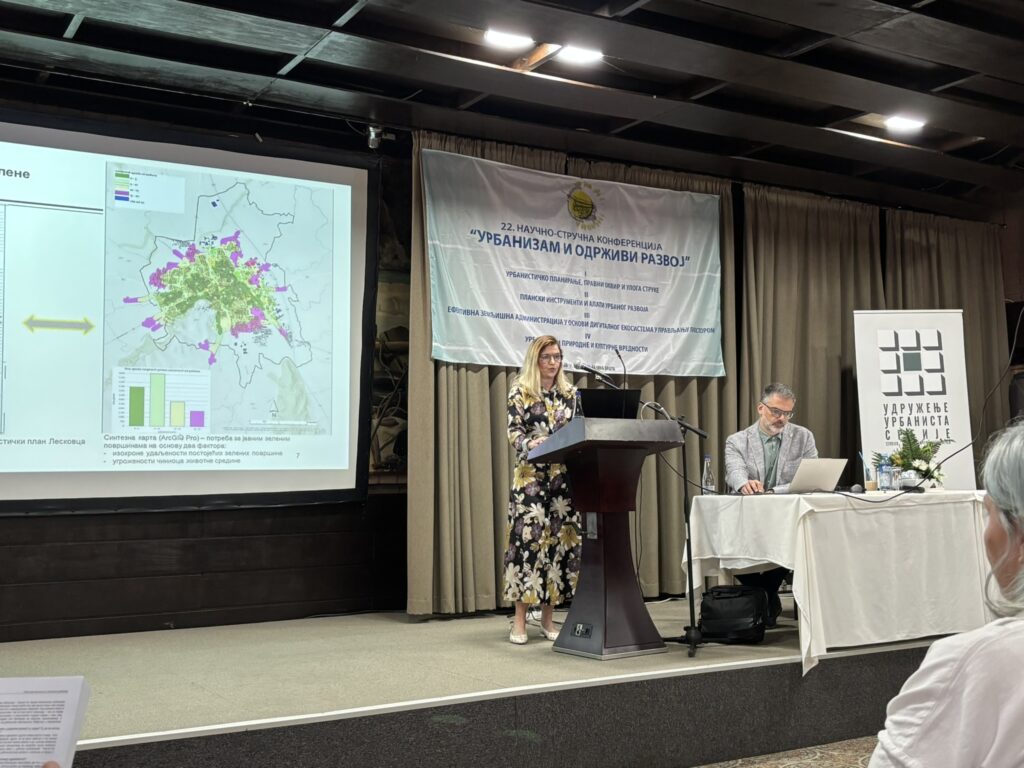
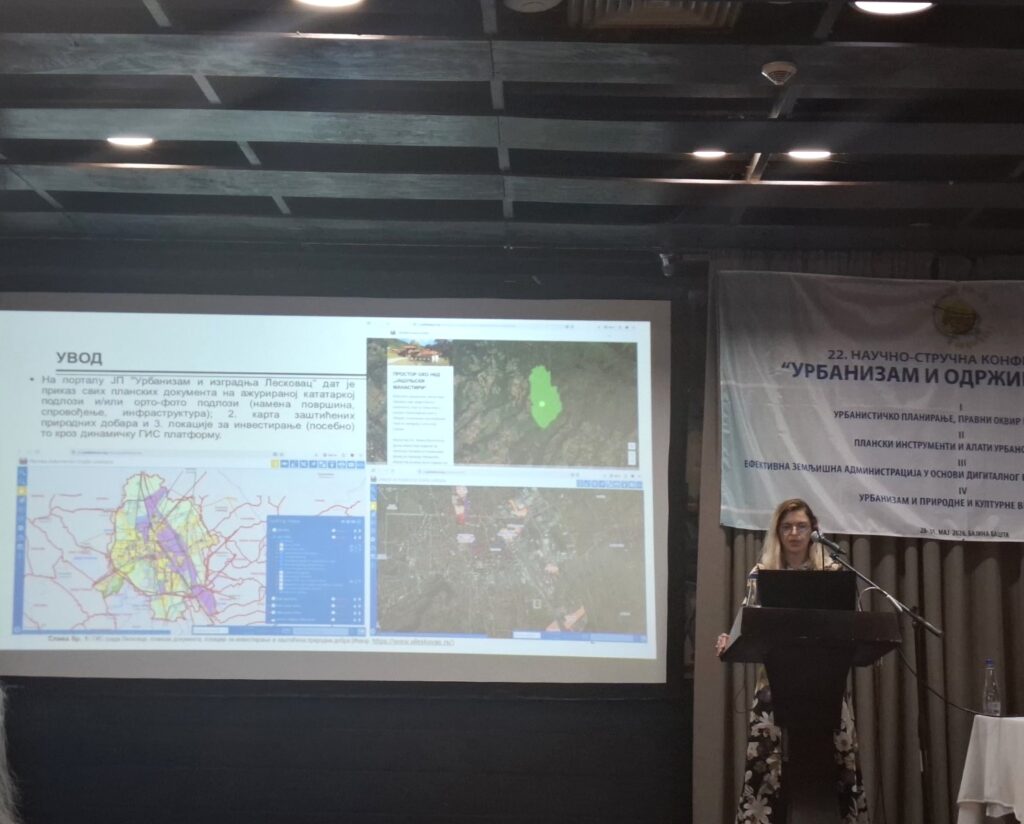
Ivana Momić gave a presentation titled “GIS in the Urban Planning Process through the Analysis and Monitoring of the City of Leskovac Plans, with a Focus on Assessing the Effects of Green Infrastructure”. The presentation focused on the role of Geographic Information Systems (GIS) in urban planning. Although GIS and urban planning are often perceived as separate disciplines, they are closely interconnected and mutually supportive. During the planning phase, GIS allows for a thorough analysis of spatial variables, including land-use patterns, demographic distribution, and infrastructure constraints. This improves planning outcomes and supports evidence-based decision-making.
Looking Ahead
One of the proposed themes for the next annual urban planning conference in Serbia, scheduled for May 2027, is affordable housing and housing policy more broadly.
This topic is particularly relevant because the final DASH conference, which will take place in Belgrade in October 2026, will provide an opportunity to present and further discuss the conclusions. Other DASH project participants from Portugal, Germany, and Denmark could contribute as well, presenting their research and sharing their experiences to further enrich the international exchange of knowledge on housing and urban development.